













Fatal Crash Involving Anthony Joshua's Driver
On December 29, 2024, Anthony Joshua's driver, Adeniyi Mobolaji Kayode, was involved in a crash that killed personal trainer Latif Ayodele and strength coach Sina Ghami. The accident occurred on a highway linking Lagos and Ibadan when the Lexus SUV, driven by Kayode, reportedly exceeded the speed limit. The vehicle crashed into a stationary lorry after a tire burst. Although Joshua and Kayode sustained minor injuries, both victims died at the scene. Kayode has been charged with causing death by dangerous driving and is set to appear in court on January 20, 2025.
Historical Cremation Discovery in Malawi
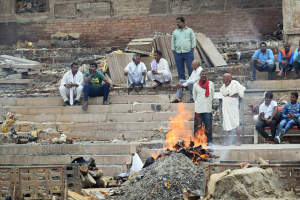
Archaeologists have discovered a cremation pyre in northern Malawi, believed to be around 9,500 years old, making it the oldest known pyre containing adult remains. Excavations revealed 170 bone fragments from an adult woman, suggesting complex funerary practices among ancient hunter-gatherer communities. Researchers noted that some bones appeared to have been deliberately removed, possibly as tokens. The findings offer new insights into the social and cultural practices of early human societies in Africa.
US Aid Controversy
The US has announced a $2 billion aid package for humanitarian efforts, but experts express concern over the stringent conditions attached. The State Department has mandated that the funds be managed through the UN's Office for the Coordination of Humanitarian Affairs and directed towards 17 priority countries, excluding nations like Afghanistan and Yemen that are facing severe crises. Critics argue that this approach reflects a shift towards a more politicized and less flexible aid system, with fears that it could hinder the UN's ability to respond to emerging humanitarian needs.
Trump's Warning to Cuba
In a recent statement, former President Donald Trump warned Cuba to "make a deal" or face consequences, emphasizing that no more Venezuelan oil would flow to the island. His comments come amid political turmoil in Venezuela following the ousting of Nicolás Maduro. Trump indicated that Cuba's reliance on Venezuelan oil would be cut off, potentially exacerbating the island's economic crisis. Cuban officials have rejected Trump's assertions, asserting their right to seek fuel from any nation.
Family Seeks Answers After Deportation Incident
The family of Randall Gamboa Esquivel, a Costa Rican man deported from the US in a vegetative state, is demanding answers regarding his treatment while in detention. Gamboa was healthy when he entered US custody but deteriorated significantly over ten months. His family is questioning how he could return home in such a condition. Medical records indicate he was hospitalized for an altered mental status while in detention, raising concerns about the care he received from US Immigration and Customs Enforcement.
Wrap-up
These incidents highlight ongoing issues related to safety, historical understanding, international relations, humanitarian aid, and immigration practices. The implications of these events resonate not only within their respective countries but also on a global scale, prompting discussions about responsibility, care, and the complexities of human interactions.
Sources
theguardian.com
@hoju-korean.com Editorial Team
























댓글목록0