












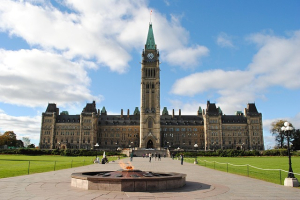
In Canada, the Liberal government is advancing Bill C-12, a legislative measure aimed at reforming the country's immigration system, particularly concerning refugee claims. Passed through the House of Commons, the bill introduces stringent rules that could significantly impede the ability of asylum seekers to present their claims. Critics, including legal experts, warn that the bill echoes regressive immigration policies reminiscent of earlier discriminatory practices in Canadian history. The proposed changes include limiting the time frame for asylum applications and increasing the power of immigration officials, raising concerns about the potential for expedited deportations and a lack of fair hearings for vulnerable individuals.
Meanwhile, the United States has been expanding its military presence in Latin America amid ongoing tensions with Venezuela. Recent agreements with countries such as Paraguay, Ecuador, and Peru have been framed under the guise of combating "narco-terrorism." However, analysts suggest these moves are part of a broader strategy to secure operational bases for potential military actions in the region, particularly against Venezuela’s government. This renewed focus on military agreements reflects a shift in U.S. foreign policy, as it seeks to reinforce its influence in Latin America while addressing security concerns.
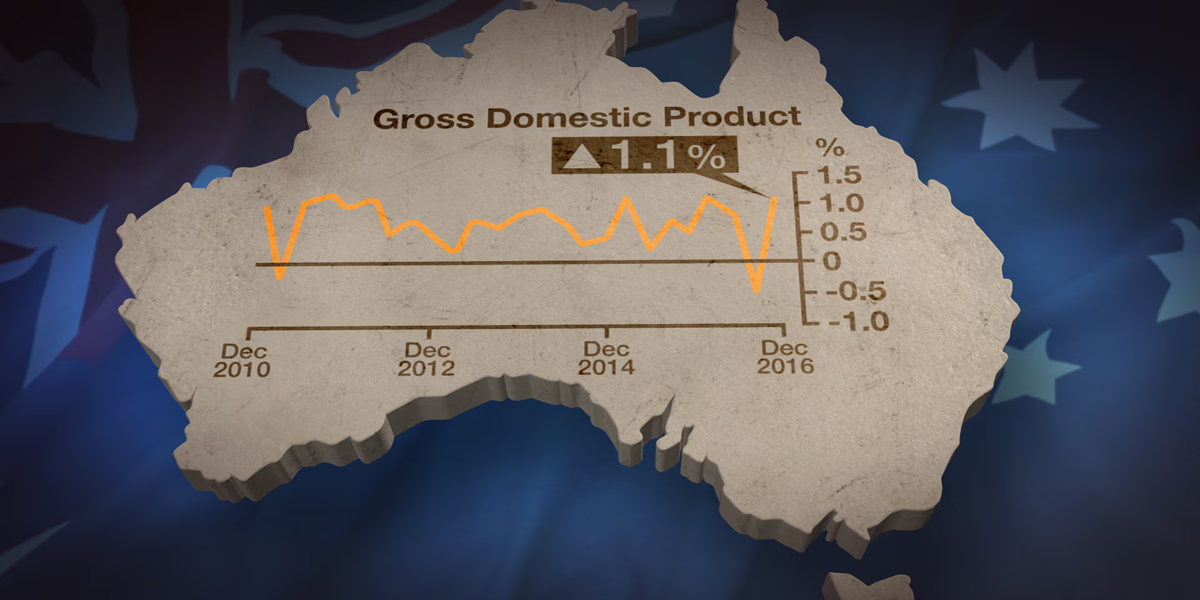
In Australia, the federal government is set to introduce new legislation aimed at combating extremist groups operating within the legal framework. Home Affairs Minister Tony Burke announced plans to create a new category for listing hate groups that do not meet the threshold for terrorism but still promote hate speech and violence. This initiative follows a recent antisemitic attack and aims to curtail the activities of organizations such as Hizb ut-Tahrir and the National Socialist Network. The proposed changes are part of a broader effort to strengthen hate speech laws and ensure that extremist ideologies do not find refuge in the legal system.
Wrap-up
The interconnectedness of these global issues—ranging from consumer boycotts in Brazil to restrictive immigration laws in Canada, military expansions in Latin America, and legislative actions against hate groups in Australia—highlights the rising political tensions and the varying responses to perceived threats to national identity and security. As governments navigate these challenges, the implications for civil rights, international relations, and social cohesion remain significant.
Sources
theguardian.com
newsis.com
@hoju-korean.com Editorial Team




















댓글목록0