











Episode Background
The 14-minute segment features firsthand accounts from detainees, including Luis Munoz Pinto, a Venezuelan asylum seeker who was arrested in 2024. Pinto describes the harrowing welcome he received upon his arrival at Cecot, stating, “The first thing he told us was that we would never see the light of day or night again. He said, ‘Welcome to hell.’” Pinto, who claims he has no criminal record, recalls being labeled a "danger to society" during his arrest by U.S. Customs and Border Protection in California.
Initial Pull and Backlash
CBS News editor-in-chief Bari Weiss decided to pull the episode just before its scheduled airing, citing the need for additional reporting. This decision led to significant backlash, both internally among CBS staff and externally from the public. Correspondent Sharyn Alfonsi expressed her discontent, asserting that the episode had undergone five screenings and met all journalistic standards. She described the decision to pull the segment as politically motivated rather than editorial.
Conditions Inside Cecot
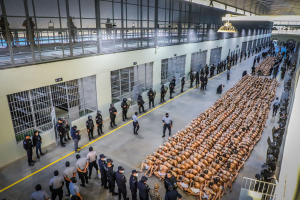
The episode reveals shocking conditions within Cecot, where detainees are subjected to severe mistreatment. Alfonsi reports on the physical abuse experienced by Pinto, who detailed being beaten by guards until he bled and sustaining injuries, including a broken tooth. The prison environment is depicted as overcrowded and unsanitary, with detainees living in cramped bunks devoid of basic amenities. Lighting is kept on continuously, and access to clean water is severely restricted.
Political Context
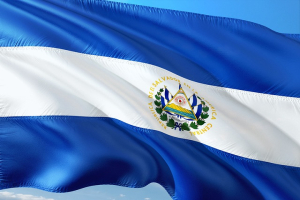
The segment also touches on the political implications of El Salvador's prison system. Despite the documented human rights abuses, former President Donald Trump expressed admiration for the country's approach to crime during a meeting with President Bukele at the White House. This juxtaposition of U.S. political support for El Salvador's policies against the backdrop of reported torture and inhumane conditions raises critical questions about international human rights standards.
Wrap-up
As the episode continues to circulate online, it serves as a stark reminder of the ongoing human rights issues in El Salvador and the complexities of media reporting in politically charged environments. The controversy surrounding its initial removal highlights the challenges faced by journalists in presenting difficult truths.
Sources
theguardian.com
@hoju-korean.com Editorial Team













댓글목록0