













US Designates Gulf Clan as Terrorist Organization
On Tuesday, the US Secretary of State Marco Rubio announced that the Gulf Clan, Colombia's largest drug cartel, has been classified as a foreign terrorist organization. This designation highlights the group's extensive involvement in cocaine trafficking and its violent tactics, which have resulted in significant instability across Colombia. The Gulf Clan, previously known as the Gaitanist Self-Defense Forces of Colombia (AGC), operates in at least 20 Colombian departments and has engaged in violent confrontations with leftist rebels for control over drug and human trafficking routes.
The US's decision to label the Gulf Clan as a terrorist organization is the first such action under the current Trump administration regarding Colombian groups. This move is expected to heighten tensions between the US and Colombian President Gustavo Petro, who has publicly criticized the US's military actions against drug trafficking and warned against potential military intervention.
Military Strikes in the Caribbean
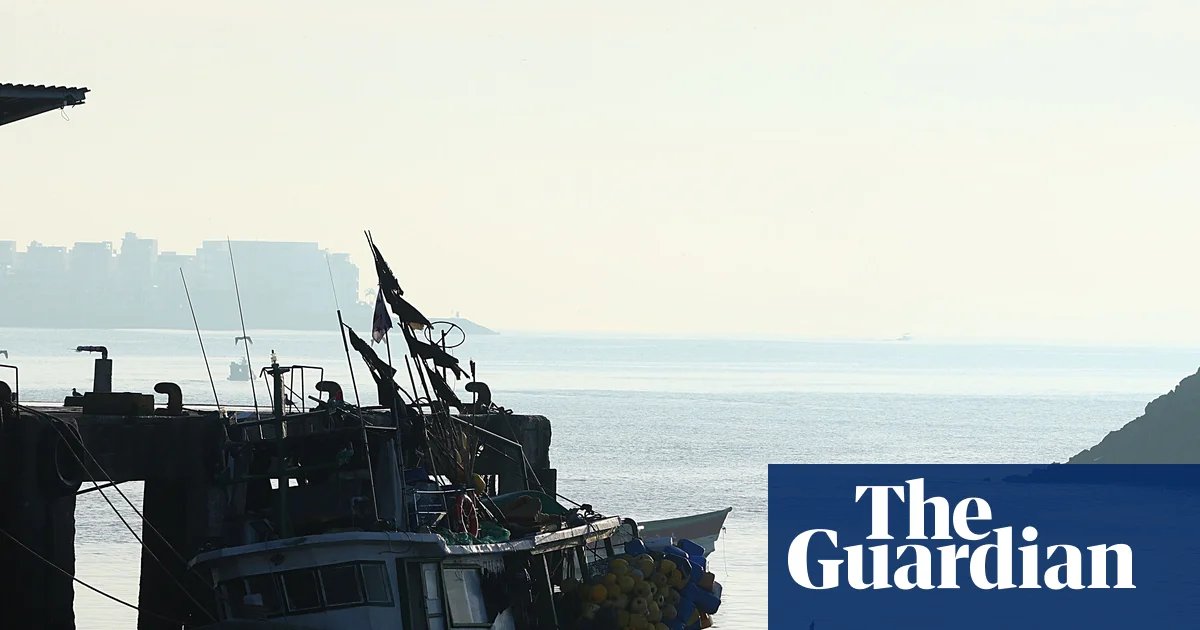
The US military campaign against drug trafficking in the Caribbean has escalated, with airstrikes reportedly killing over 90 individuals since the campaign began in early September. On Monday, US Southern Command announced the destruction of three vessels, resulting in the deaths of eight people. These operations have raised legal and ethical concerns, as critics argue that the strikes may constitute war crimes, particularly following a controversial incident on September 2 that killed survivors clinging to a wrecked boat.
Lawmakers in the US Congress have expressed frustration over the Pentagon's refusal to release footage of the September 2 attack, which has become a focal point for discussions about transparency and accountability in military operations. Democratic leaders have called for the release of the full video to assess the legality of the strikes.
Protests Against Military Intervention
The invitation extended to Venezuelan opposition leader María Corina Machado for the upcoming Hay Festival in Cartagena has prompted backlash from several Colombian authors and intellectuals. They have withdrawn from the festival in protest against Machado's support for US military intervention in Venezuela. The authors argue that Machado's views represent an imperialist approach that undermines the sovereignty of Latin American nations.
Machado's connections with far-right leaders and her endorsement of military action against Nicolás Maduro have positioned her as a polarizing figure in the region. The protests against her participation in the festival reflect broader concerns about foreign intervention and the impact of US policies on Latin American countries.
Community Responses to Violence
In Sydney, Australia, vigils have been held in response to a recent antisemitic terror attack at Bondi Beach that left 15 people dead. Rabbi Jeffrey Kamins and Bilal Rauf, a representative of the Australian National Imams Council, emphasized the importance of unity among different faith communities during these challenging times. Their embrace at a memorial event symbolizes a collective response to violence and a call for healing and solidarity.
The vigils have drawn participants from diverse backgrounds, highlighting a shared commitment to peace and understanding in the face of hatred and division. The events serve as a reminder of the need for compassion and cooperation among communities affected by violence.
Wrap-up
The recent designation of the Gulf Clan as a terrorist organization and the ongoing US military actions in the Caribbean underscore the complexities of drug trafficking and political instability in Latin America. As protests against foreign intervention and military strategies grow, the region faces critical challenges that require careful consideration of sovereignty, human rights, and community well-being.
Sources
theguardian.com
theguardian.com
theguardian.com
theguardian.com
theguardian.com
@hoju-korean.com Editorial Team












댓글목록0