













Women's Rights Under Siege
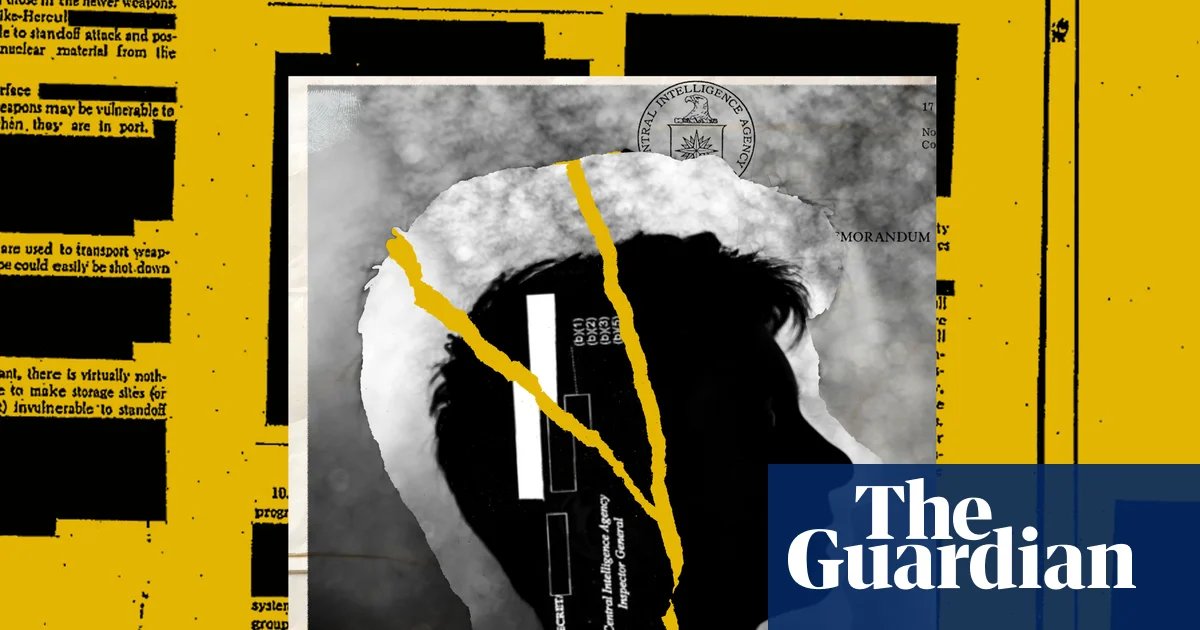
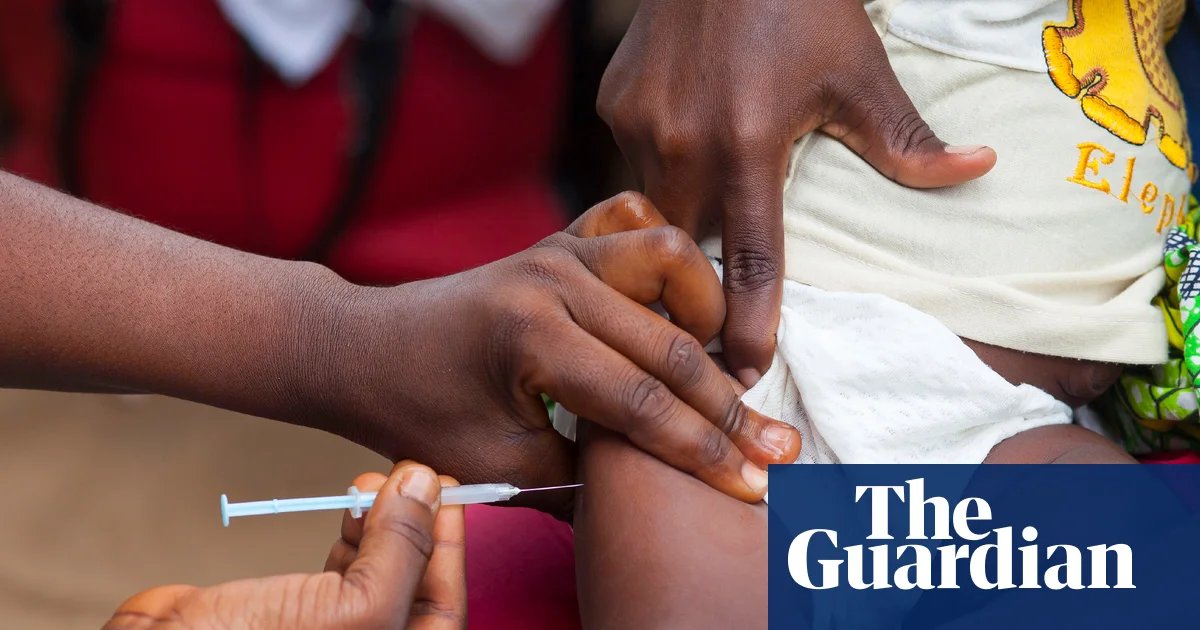
The rollback of women's rights has accelerated under the current US administration, which has been criticized for its aggressive stance against progressive policies. In January, a series of executive orders led to confusion and panic among women's rights organizations. The freeze on USAID funding, confirmed by US Secretary of State Marco Rubio in March, is projected to eliminate 83% of the agency's programs, prompting warnings from diplomats and humanitarian experts that this could lead to loss of life and a severe attack on human rights, particularly in family planning and reproductive care.
The anti-rights movement, which includes a network of political leaders and religious organizations, has intensified its efforts to undermine progress in areas such as abortion and LGBTQ rights. Reports indicate that influential ultra-conservative groups are leveraging their resources to lobby governments and influence policy in various regions, particularly in Africa, Asia, and Latin America. These groups have been described as engaging in a transnational rollback of rights fueled by far-right extremism.
Batista's Diplomatic Efforts
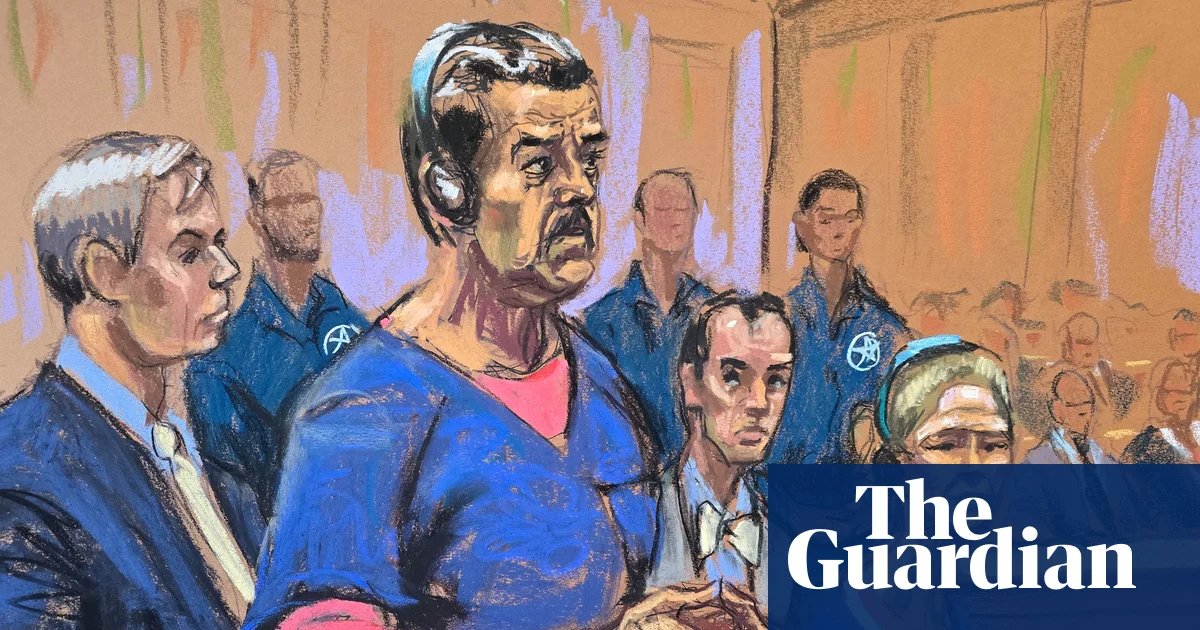
On November 23, Brazilian meat tycoon Joesley Batista landed in Caracas amid heightened tensions between the US and Venezuela. His visit came shortly after US President Donald Trump called for Venezuelan President Nicolás Maduro to step down. Batista's mission was to persuade Maduro to consider relinquishing power, although his efforts appear to have had little impact, as Maduro remains in control.
Batista's foray into diplomacy is notable given his controversial past, including multiple convictions for corruption and environmental violations. His involvement in diplomatic discussions has raised questions about the appropriateness of a businessman with such a record acting as an unofficial envoy for the Trump administration.
Despite his dubious background, Batista is credited with playing a pivotal role in improving US-Brazil relations, particularly following Lula's endorsement of Kamala Harris. His lobbying efforts contributed to the easing of tariffs imposed on Brazilian imports, a move that benefited his core business of beef production.
Wrap-up
As the international community grapples with the implications of Batista's actions and the alarming trends in women's rights, the interplay between business interests and political advocacy continues to shape global dynamics. The future of women's rights remains uncertain, while the diplomatic landscape in Latin America is increasingly influenced by figures like Batista, who navigate complex political terrains for personal and national interests.
Sources
theguardian.com
@hoju-korean.com Editorial Team













댓글목록0