












Tanzania's Deadly Election Protests
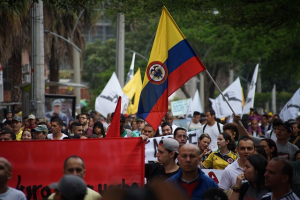
In Tanzania, protests erupted on October 29 following the announcement of election results, where incumbent President Samia Suluhu Hassan claimed a 98% victory. The opposition, barred from participating, condemned the elections as fraudulent. Chadema reported over 1,000 fatalities due to security forces' actions during the demonstrations, a figure the government has dismissed as exaggerated. In response to the unrest, Tanzanian authorities have arrested Chadema's deputy secretary general, Amani Golugwa, and are pursuing additional party members. They have charged more than 200 individuals with treason, a charge that could lead to the death penalty, although no executions have occurred since 1995.
Government officials maintain that the elections were fair, despite international observers citing instances of ballot stuffing and the exclusion of key opposition figures, including Chadema leader Tundu Lissu. President Samia acknowledged some deaths but attributed the violence to foreign influence, stating that those arrested were primarily from abroad. The government has also been accused of cutting off internet access and employing excessive force to suppress dissent.
Guyana's Political Turmoil
In Guyana, political instability intensified following the arrest of opposition leader Azruddin Mohamed, who faces extradition to the United States on charges including money laundering and bribery. Mohamed, along with his father, was arrested on October 31 in Georgetown but was released on bail the same day. He claims his arrest is politically motivated, alleging that the government of President Irfaan Ali is behind the extradition request. Mohamed emerged as a significant political figure in the recent presidential election, challenging the traditional two-party system and advocating for an end to "tribal voting."
Despite the election results favoring Ali's party, Mohamed's party secured 16 seats in congress, positioning him as a notable opposition force. The political landscape in Guyana is shifting, particularly as American companies engage in oil exploration that could elevate the country’s economic status. Mohamed’s calls for renegotiating oil deals resonate amid widespread poverty affecting over half the population.
Wrap-up
The situations in Tanzania and Guyana reflect broader themes of political repression and the struggle for democratic representation. In both countries, opposition leaders face significant challenges, including arrests and allegations of electoral fraud, as citizens grapple with the implications of their governments' actions on civil liberties and political stability.
Sources
theguardian.com
@hoju-korean.com Editorial Team


















댓글목록0