













Iran's Alleged Assassination Plot
The United States and Israel have reported that Iran's elite Quds Force initiated a plot to assassinate Israel's ambassador to Mexico, Einat Kranz-Neiger. The plot, which was reportedly disrupted by Mexican authorities, involved recruiting operatives from Iran's embassy in Venezuela. A U.S. official indicated that the plot was initiated in late 2024 and contained before it could pose a threat. This incident follows a series of escalations between Israel and Iran, including an Israeli attack on an Iranian embassy complex in Syria that resulted in significant casualties among Iranian Revolutionary Guards. Israeli intelligence has linked the Quds Force to various plots against Israeli and Jewish targets globally.
China Eases Chip Export Restrictions
In a significant development for the European automotive industry, China is expected to lift its ban on chip exports following a diplomatic agreement with the United States. The Netherlands has indicated that the standoff with Beijing is nearing resolution after the Dutch government took control of the chipmaker Nexperia. The ban had threatened to disrupt car production in Europe and Japan. As part of the deal between U.S. and Chinese leaders, the U.S. will delay the implementation of export controls related to Nexperia for a year, allowing China to resume chip exports. This move is crucial for European car manufacturers that rely heavily on Chinese-made chips, as supply chain vulnerabilities have been highlighted by recent tensions.
Australia's Inflation Debate
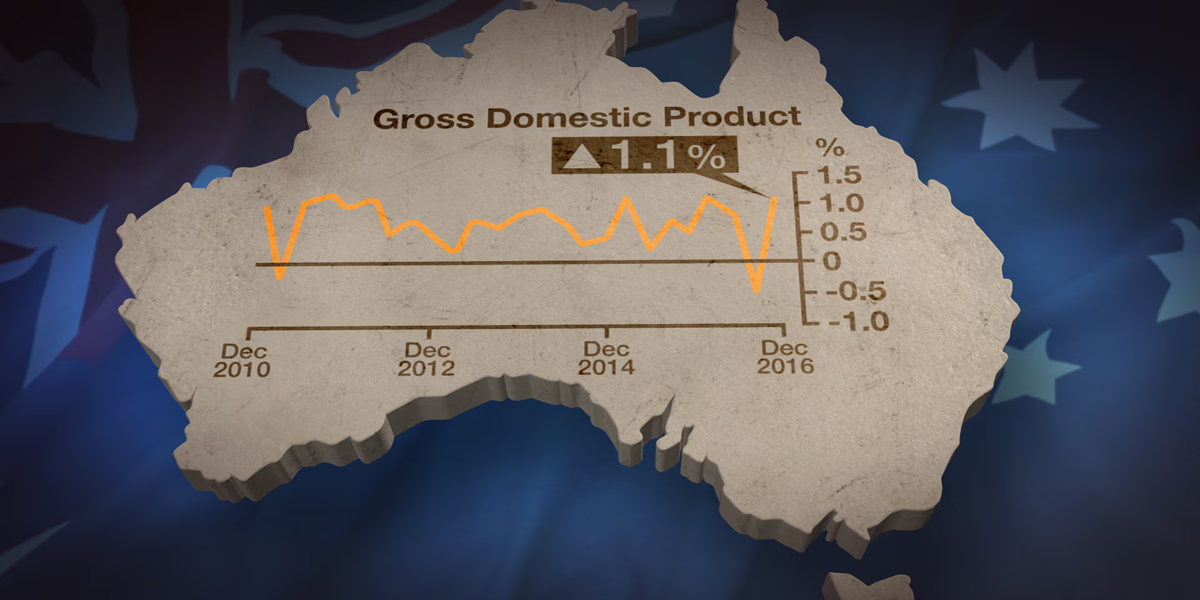
In Australia, the opposition Coalition has accused the Labor government of causing inflation through excessive spending, coining the term "Jimflation" to criticize Treasurer Jim Chalmers. Shadow Treasurer Ted O'Brien has linked rising inflation to the government's fiscal policies, arguing that increased public spending has led to higher demand and, consequently, higher prices. However, Chalmers has defended his government's approach, noting that interest rates have been cut multiple times this year, suggesting that inflation cannot solely be attributed to government spending. Economic experts acknowledge that while public spending has contributed to inflation, it has also played a role in supporting economic growth during challenging times.
Wrap-up
These developments underscore the complexities of international relations and domestic economic policies. Iran's alleged assassination plot highlights ongoing tensions in the Middle East, while China's easing of chip export restrictions could stabilize the automotive supply chain in Europe. Meanwhile, Australia's political discourse around inflation reflects broader concerns about economic management in a post-pandemic world.
Sources
theguardian.com
@hoju-korean.com Editorial Team


























댓글목록0