













Japan's Earthquake Recovery Efforts Hampered by Heat
On July 30, Japan's Prime Minister Sanae Takaichi visited the earthquake-hit Kumamoto prefecture, where recovery efforts are severely hindered by soaring temperatures and inadequate water supplies. The region was struck by a magnitude 7.1 earthquake that resulted in 38 fatalities, including one death attributed to heatstroke while seeking shelter in a vehicle.
More than 46,000 households are currently without water, and many are facing fuel shortages as temperatures soar to 40 degrees Celsius. Over 8,500 people are residing in emergency shelters, which are often overcrowded and lack air conditioning. Takaichi acknowledged the dire situation during her visit, which included aerial assessments of the damage and a stop at one of the better-equipped shelters. However, her visit drew criticism on social media for not accurately reflecting the harsh realities faced by evacuees.
Kumamoto Governor Takashi Kimura emphasized the urgent need for government support to enhance conditions at evacuation centers, which are lacking in clean water and medical services. Takaichi pledged to explore government assistance to address these pressing needs.
Tragic Developments in the Aftermath
In a tragic incident linked to the earthquake, a local general store operator has expressed remorse after two employees were killed in an explosion at a shopping mall that collapsed during the quake. The company had instructed the employees to return to the building to secure sales proceeds, which resulted in their deaths. The mall operator believes the explosion was caused by a gas leak after the evacuation of about 3,000 shoppers.
New Zealand's English Language Legislation Draws Criticism
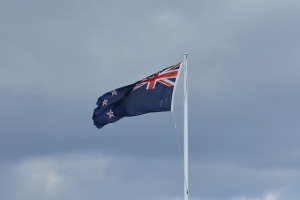
In a separate development, New Zealand's parliament passed legislation on July 30 recognizing English as an official language, alongside te reo Māori and New Zealand sign language. The decision has been met with mockery from linguists and political figures who argue that English already holds official status through usage and custom.
The legislation was part of a coalition agreement between the National party and the New Zealand First party, led by Winston Peters, who has historically opposed initiatives supporting Māori. Critics, including Green MP Tamatha Paul, labeled the bill a "pathetic waste" of parliamentary time, while supporters argue it aligns the statute book with established practice.
Experts from the Ministry of Justice had advised against the bill, citing a lack of evidence for concerns regarding the status of English. Linguist Dr. Sidney Wong criticized the move as unnecessary, stating that English is not under threat and that resources should instead be allocated to research on New Zealand English.
Wrap-up
The challenges in Japan highlight the intersection of natural disasters and extreme weather, complicating recovery efforts and raising concerns for affected residents. In New Zealand, the debate over language legislation reflects broader societal tensions regarding cultural identity and representation. Both situations underscore the complexities nations face in addressing immediate crises and long-term cultural issues.
Sources
theguardian.com
@hoju-korean.com Editorial Team























댓글목록0