











New Zealand's Official Language Bill
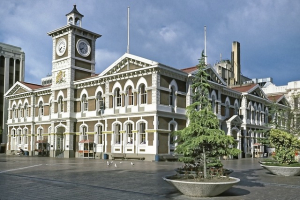
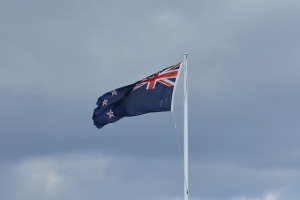
On July 30, New Zealand's parliament approved a bill granting English the same official status as te reo Māori and New Zealand sign language. The legislation was part of a coalition agreement between the National Party and the New Zealand First party, which has a history of opposing initiatives that support Māori rights. While English is spoken by 95% of the population, the bill has been met with ridicule and skepticism. Critics, including Green MP Tamatha Paul, labeled it a "pathetic waste" of legislative resources, arguing that English does not require additional protection.
The Ministry of Justice had advised against the bill, citing a lack of evidence supporting the need for English to be designated as an official language. Linguist Dr. Sidney Wong expressed concerns that the bill was ideologically motivated rather than based on actual linguistic needs. He emphasized that funding should focus on research into the English language in New Zealand rather than on legislation that does not address existing issues.
Massive Attack's Ban from Singapore
In a separate incident, the British band Massive Attack described their experience of being banned from Singapore as "surreal" after they displayed a Palestinian flag during a performance on July 29. The band's actions led to a police investigation, resulting in their detention and questioning by authorities. Singapore has strict laws against the display of foreign flags without a permit, making the band's act a violation of local regulations.
Following the concert, Massive Attack released a statement expressing disappointment over their treatment and highlighting the crowd's chants of "Free Palestine." They framed their actions as a solidarity statement with the Palestinian people, calling attention to the broader issues of human rights and freedom of expression. The band criticized the government's censorship laws and urged Singapore to ratify international covenants that protect civil and political rights.
Wrap-up
Both incidents reflect ongoing tensions surrounding language rights and freedom of expression on the international stage. In New Zealand, the official language bill has sparked debate over cultural identity and the treatment of minority languages, while Massive Attack's experience in Singapore underscores the challenges artists face when addressing political issues in restrictive environments. These developments highlight the complex interplay between national identity, political expression, and the rights of individuals in both countries.
Sources
theguardian.com
@hoju-korean.com Editorial Team























댓글목록0