













Ebola Outbreak in DRC
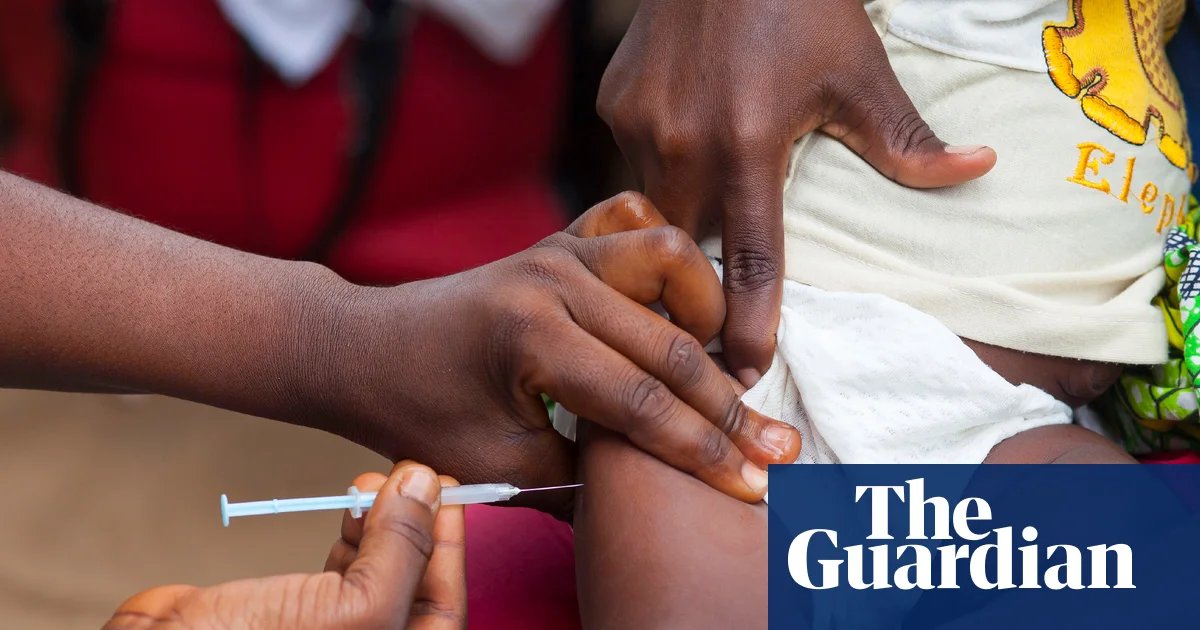
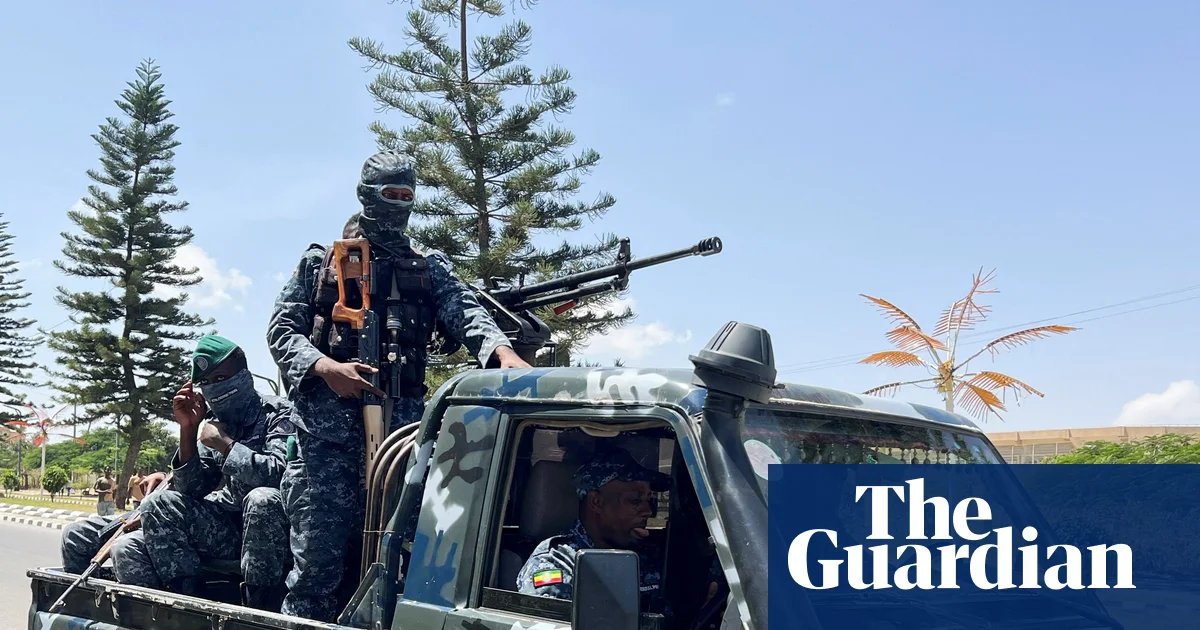
The World Health Organization (WHO) has reported that the Ebola outbreak in the DRC has resulted in 344 confirmed cases and 60 deaths since its identification in mid-May. Dr. Tedros Adhanom Ghebreyesus emphasized that the outbreak had a "big head start," complicating response efforts due to community mistrust and inadequate contact tracing. He called for the lifting of travel restrictions that hinder supply chains and response measures. Currently, the DRC faces challenges in tracing contacts, with only 45% of contacts followed up. Dr. Tedros highlighted the need for improved laboratory and diagnostic capacity, as well as addressing community skepticism regarding the virus's existence.
Controversial Immigration Ruling in the US
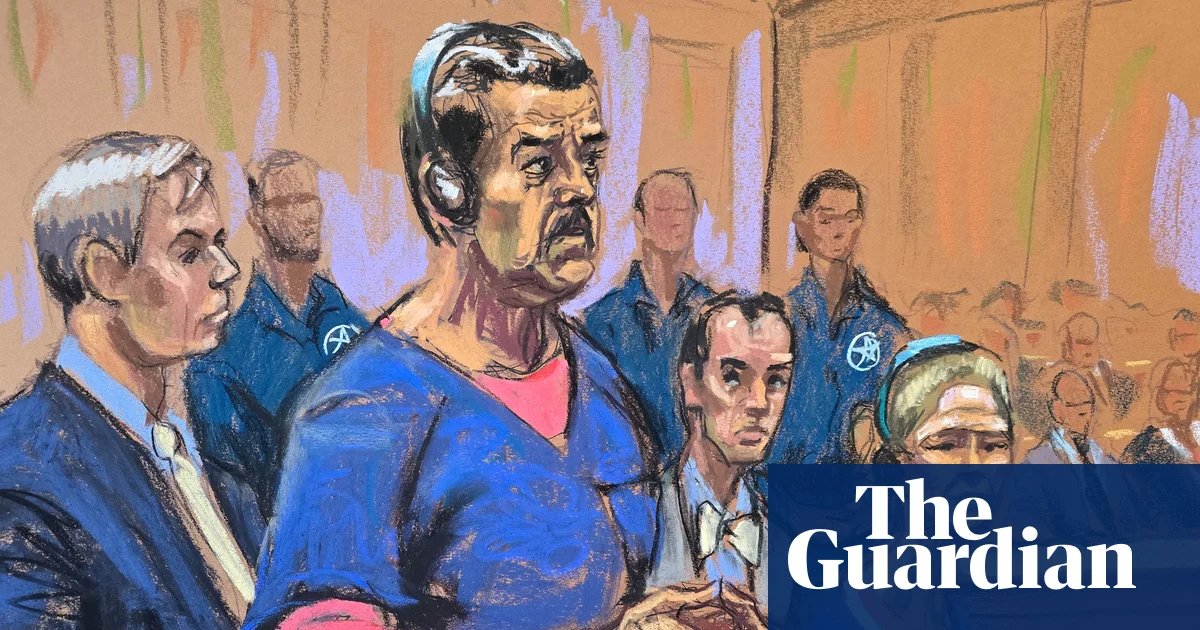
An immigration judge in North Carolina has sparked outrage by ordering the deportation of Levi Mendez-Maldonado, a young man who was murdered in 2024, due to his absence from a court hearing. Judge Amy Lee issued the deportation order without acknowledging Mendez-Maldonado's death, which was confirmed by police records presented during the hearing. Advocates have condemned the ruling, arguing that it dehumanizes immigrant communities and reflects systemic issues within the immigration system. Becca O’Neill, Mendez-Maldonado’s attorney, expressed disbelief at the court's handling of the case, labeling it as an example of the "banality of evil."
Drug Trafficking Operation Uncovered
Federal prosecutors have charged four individuals with trafficking over one ton of cocaine for the Jalisco New Generation cartel using a fake retail store in San Diego as a front for an elaborate tunnel system. The investigation revealed that the shop, "Buy 4 Less," was suspected of housing a tunnel leading to Tijuana, Mexico. Law enforcement intercepted shipments and discovered a 55-foot deep tunnel equipped with a rail system and ventilation. This operation marks a significant blow to the cartel's activities, with authorities emphasizing the importance of collaboration in tackling cross-border drug trafficking.
Abortion Legislation in New South Wales
In New South Wales, proposed legislation to ban "sex-selective abortions" has ignited debate. Libertarian party MLC John Ruddick introduced the bill, which would impose severe penalties on health practitioners performing abortions based on the fetus's sex. Experts argue that such laws could increase stigma and restrict reproductive rights, particularly for immigrant communities. A recent review indicated that sex-selective abortions are exceedingly rare in NSW, and critics of the bill assert that it is based on misinformation and would not effectively address the issue.
Wrap-up
These events illustrate the complex interplay of health crises, immigration policies, drug trafficking, and reproductive rights on a global scale. As the DRC fights to contain the Ebola outbreak, the US grapples with immigration controversies and drug-related crime, while New South Wales faces challenges to reproductive rights. Each of these issues underscores the need for informed, compassionate responses to pressing global challenges.
Sources
theguardian.com
@hoju-korean.com Editorial Team
















댓글목록0