










![[Summary News] Global Tensions Escalate as Iran Conflict Intensifies and Economic Fallout Deepens](https://pixabay.com/get/g256ab8c37ad9241f4d134a860ef0ed8dd96044b50f36bf0ea504e1777545802620c460d5fd163c3915759bd2be14be580c3683556d0b9b621f7a6e73a67fa892_640.jpg)
Trump's speech emphasized that the US military objectives in Iran were nearing completion, although he warned of continued strikes in the coming weeks. He claimed that Iran's military capabilities had been significantly weakened, but his remarks did little to alleviate concerns about rising oil prices and their impact on the global economy. The US dollar strengthened as investors sought safe havens, further complicating the economic landscape.
EUROPEAN POLITICAL REACTIONS TO US POLICY
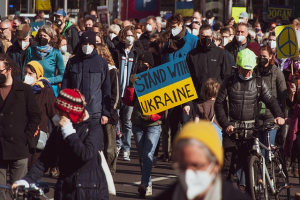
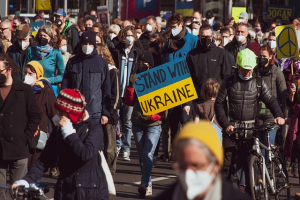
Poland's Prime Minister Donald Tusk criticized Trump's threats to withdraw from NATO, suggesting that such actions align with Russian President Vladimir Putin's interests. Tusk highlighted the potential for a massive energy crisis in Europe and urged a unified response to support Ukraine amid ongoing military aggression from Russia. He condemned Hungary's Viktor Orbán for allegedly obstructing aid to Ukraine, which he described as part of a broader strategy benefiting Moscow.
In France, political leaders expressed outrage over Trump's comments about President Macron, underscoring the growing tensions between the US and its European allies. French lawmakers emphasized the need for a coherent strategy to address the humanitarian crises exacerbated by the conflicts in Iran and Ukraine.
INTERCONNECTED CONFLICTS: IRAN AND UKRAINE
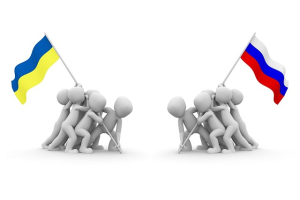
The wars in Iran and Ukraine are increasingly intertwined, with analysts noting that developments in one conflict directly influence the other. Russia's use of Iranian drones in Ukraine has been well-documented, while Ukraine's recent military actions against Russian energy infrastructure have been intensified in response to the rising oil prices resulting from the Iran conflict. Ukrainian President Volodymyr Zelenskyy condemned Russia's airstrikes, which targeted civilian infrastructure during discussions of a potential Easter truce.
Zelenskyy's diplomatic efforts included talks with US negotiators aimed at securing a ceasefire, but these discussions were met with skepticism from Moscow. The ongoing military exchanges have led to significant casualties and destruction on both sides, further complicating peace efforts.
ISRAEL'S MILITARY ACTIONS AND EU'S RESPONSE
Israel has escalated its military operations against Iran, claiming to have killed a senior Hezbollah commander in a series of strikes on Tehran. Trump claimed that Iran's leadership was seeking a ceasefire, but Iranian officials refuted this, indicating that the situation remains volatile. The EU has faced criticism for its perceived inaction regarding Israel's attacks on Lebanon and the West Bank, with calls for sanctions and stronger diplomatic measures against Israel.
European lawmakers have expressed frustration over the lack of a decisive response from the EU, emphasizing the need for accountability regarding Israel's military actions. Critics argue that the EU's current approach is insufficient to address the humanitarian crises resulting from the conflict.
UK CITIZENS DETAINED IN UAE AMID CONFLICT
Families of UK citizens detained in the United Arab Emirates have voiced concern over the British government's lack of support. The detainees are accused of violating strict Emirate laws against sharing images related to the ongoing conflict. UK officials have faced criticism for their muted response to these detentions, with families expressing fears for their loved ones' safety amid escalating tensions in the region.
Wrap-up
As the conflict in Iran intensifies, its repercussions are felt globally, affecting oil prices, international relations, and humanitarian situations in war-torn regions. The interconnected nature of the Iran and Ukraine conflicts has drawn more nations into a complex web of geopolitical strife, while the EU's response to Israel's actions remains a point of contention among member states. With economic pressures mounting and diplomatic efforts stalling, the international community faces a critical juncture in addressing these multifaceted crises.
Sources
theguardian.com
@hoju-korean.com Editorial Team













댓글목록0