













Energy Crisis in Asia
As the US-Israel conflict with Iran escalates, Asian nations are facing a critical energy crisis. Countries from Bangladesh to South Korea are ramping up coal usage to compensate for reduced energy imports, particularly liquefied natural gas (LNG). South Korea announced it would delay the shutdown of coal-fired power plants and increase coal electricity production. Similarly, Thailand has boosted output at its largest coal plant, while the Philippines declared a national energy emergency, intensifying coal operations. India, which relies on coal for nearly 75% of its power generation, has instructed its coal plants to maximize output.
The disruption in LNG supply, primarily due to the closure of the Strait of Hormuz, has led to a significant reduction in available energy resources. Experts warn that the shift back to coal, the dirtiest fossil fuel, poses severe environmental risks, with calls for governments to invest in renewable energy sources as a more stable and sustainable solution.
Cyclone Narelle's Devastation in Western Australia
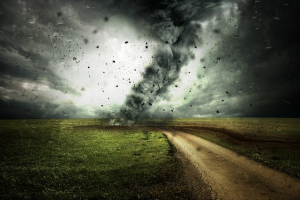
In a separate environmental crisis, Tropical Cyclone Narelle has left a trail of destruction along the Ningaloo coastline in Western Australia. Following the storm, local wildlife conservationist Brinkley Davies discovered thousands of dead baby turtles, dolphin carcasses, and seabirds on Graveyards Beach. The cyclone, which struck as a severe category four storm, brought wind gusts of up to 250 km/h, leading to widespread wildlife fatalities.
Davies, who has rescued over 70 injured seabirds and other animals, emphasized the need for a sustainable wildlife care facility in the region. Climate experts have linked the storm's intensity to global warming, suggesting that climate change is exacerbating the frequency and severity of such natural disasters.
Wrap-up
The simultaneous crises in Asia's energy sector and the ecological disaster in Western Australia serve as stark reminders of the pressing challenges posed by climate change. As governments scramble to address immediate energy needs through coal, the long-term environmental consequences loom large. Meanwhile, the devastation wrought by Cyclone Narelle highlights the urgent need for effective wildlife conservation strategies in the face of increasing climate-related disasters.
Sources
theguardian.com
@hoju-korean.com Editorial Team




















댓글목록0