













US Calls for Aggressive Action Against Cartels
During the 2026 Americas Counter Cartel Conference in Miami, Hegseth emphasized the need for Latin American nations to collaborate in a military offensive against drug cartels. He warned that the Trump administration might take unilateral action if regional allies do not join the fight. Hegseth's remarks come amid a backdrop of increasing US military presence in the region, including recent strikes that have resulted in civilian casualties. The conference was attended by representatives from 16 Latin American countries, though key nations like Colombia, Mexico, and Brazil were notably absent.
The US has long justified its military interventions in Latin America through the "war on drugs," but critics argue that this solely military approach is insufficient. White House homeland security adviser Stephen Miller claimed that drug cartels should be treated as terrorist organizations, advocating for military solutions. However, experts like David Marques from the Brazilian Forum on Public Safety warn that narco-trafficking is a complex issue that cannot be resolved through military force alone.
Australian Involvement in US Submarine Operations
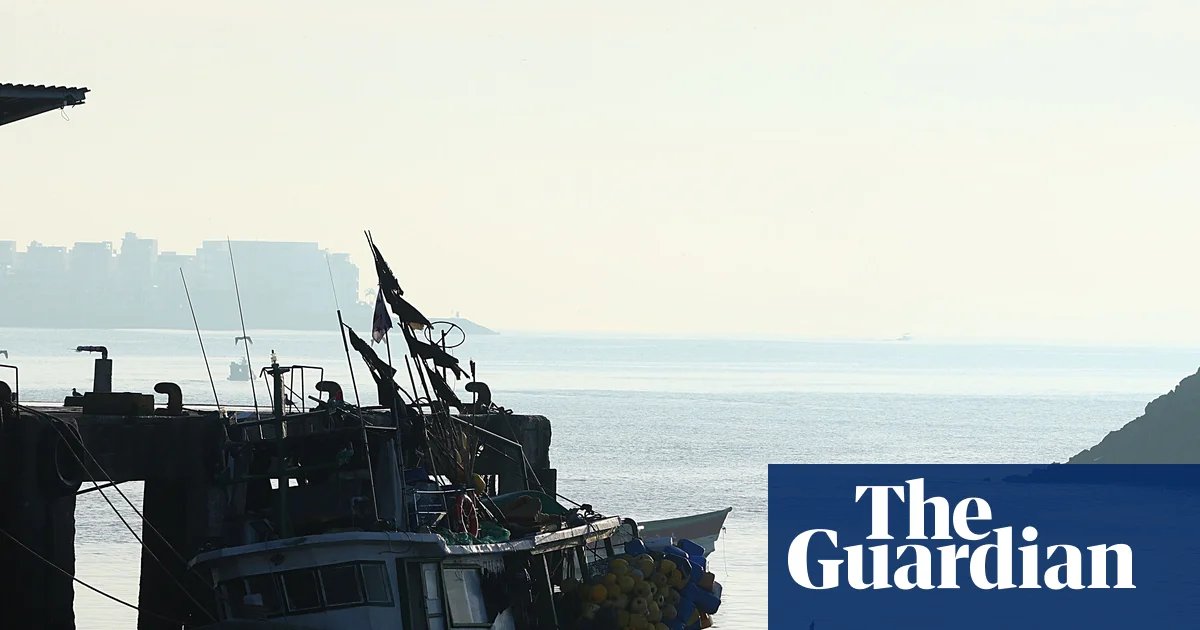
In a separate incident, the Australian government has confirmed that more than 50 of its sailors and officers are serving on US attack submarines, raising questions about their involvement in a recent military action. A US submarine reportedly torpedoed and sank the Iranian warship Iris Dena in the Indian Ocean, resulting in at least 87 fatalities. While Australian officials have not disclosed specific details regarding personnel on board, reports suggest that two Australians may have been present during the attack.
This incident marks a significant escalation in military engagements involving Australia, as it would be the first direct involvement of Australian defense personnel in the ongoing conflict. The sinking of the Iranian vessel, which was returning from a naval exercise, is the first instance of an enemy ship being sunk by a US torpedo since World War II. Hegseth described the action as indicative of America's decisive military strategy against Iran, following the assassination of Iranian Supreme Leader Ayatollah Ali Khamenei.
Wrap-up
The recent military actions taken by the United States in both Latin America and the Indian Ocean have sparked significant debate regarding the effectiveness and morality of such interventions. As the US pushes for a more aggressive military stance against drug cartels and engages in direct confrontations with Iranian forces, the implications for regional stability and international relations remain uncertain. The involvement of Australian personnel in these operations further complicates the narrative, raising questions about the future of military alliances and commitments in volatile regions.
Sources
theguardian.com
@hoju-korean.com Editorial Team

















댓글목록0