













Gun Amnesty Details
Police Minister Sir John Pundari announced the gun amnesty as a "national movement for peace," emphasizing that it is not merely a police initiative. Under the buyback scheme, residents can voluntarily hand over illegal firearms without facing penalties. The government has not disclosed specific payment amounts, noting that compensation will vary by province and may include support for agricultural ventures.
The initiative is critical as estimates suggest there are approximately 100,000 illegal firearms in Papua New Guinea, with only about 12% of small arms legally registered. Prime Minister James Marape highlighted the destructive impact of illegal guns on families and communities, warning that strict penalties will be enforced after the amnesty period concludes.
Escalating Violence in the Highlands
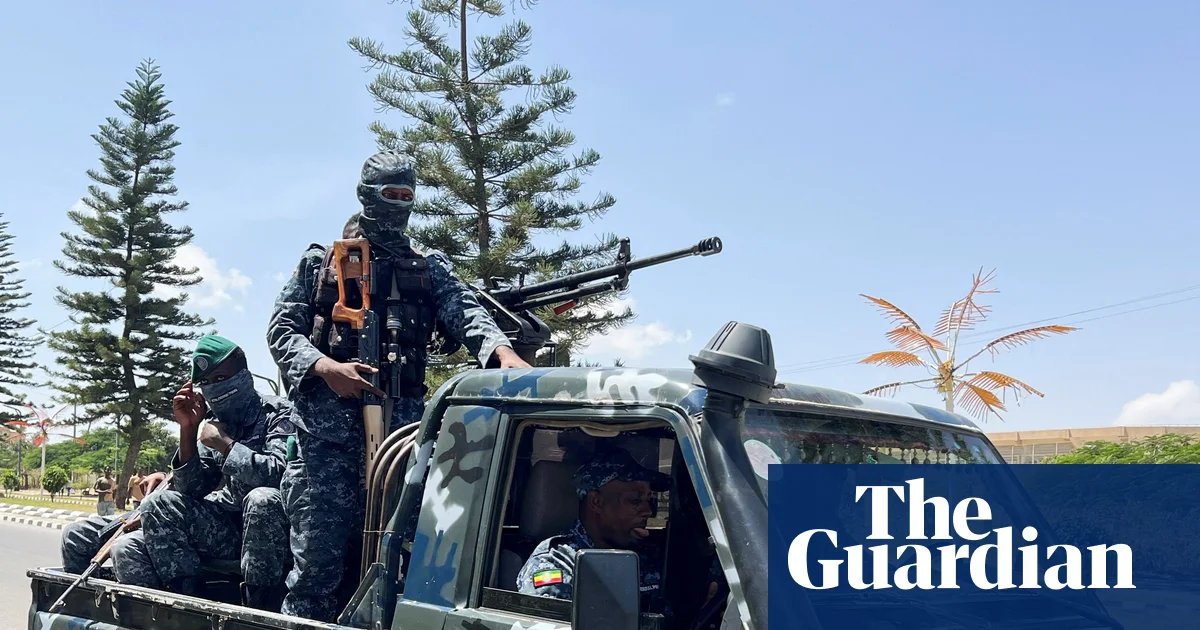
The Highlands region has experienced a surge in violence due to land disputes, tribal rivalries, and political tensions, exacerbated by the availability of high-powered firearms and explosives. Traditional conflicts that once involved basic weapons and mediation have turned deadly, resulting in mass casualties. The government aims to clear firearms from the region before the national elections scheduled for 2027, a period historically marked by increased violence.
Community Engagement and Future Steps
To address the ongoing violence, Pundari stressed the importance of engaging with tribal leaders, churches, and community groups. He indicated that stabilizing the Highlands is crucial not only for local communities but also for the broader stability of the country. The government is committed to a comprehensive approach that includes tougher penalties for illegal gun possession alongside the amnesty program.
Wrap-up
The gun amnesty in Papua New Guinea represents a significant effort to combat escalating tribal violence and restore peace in the Highlands. By offering financial incentives for the surrender of illegal firearms, the government seeks to reduce the proliferation of weapons and mitigate the impact of armed conflicts on communities. The success of this initiative will depend on community participation and the government's ability to enforce laws post-amnesty.
Sources
theguardian.com
@hoju-korean.com Editorial Team




















댓글목록0