














Australia urged to enhance AI security laws amid foreign interference warnings
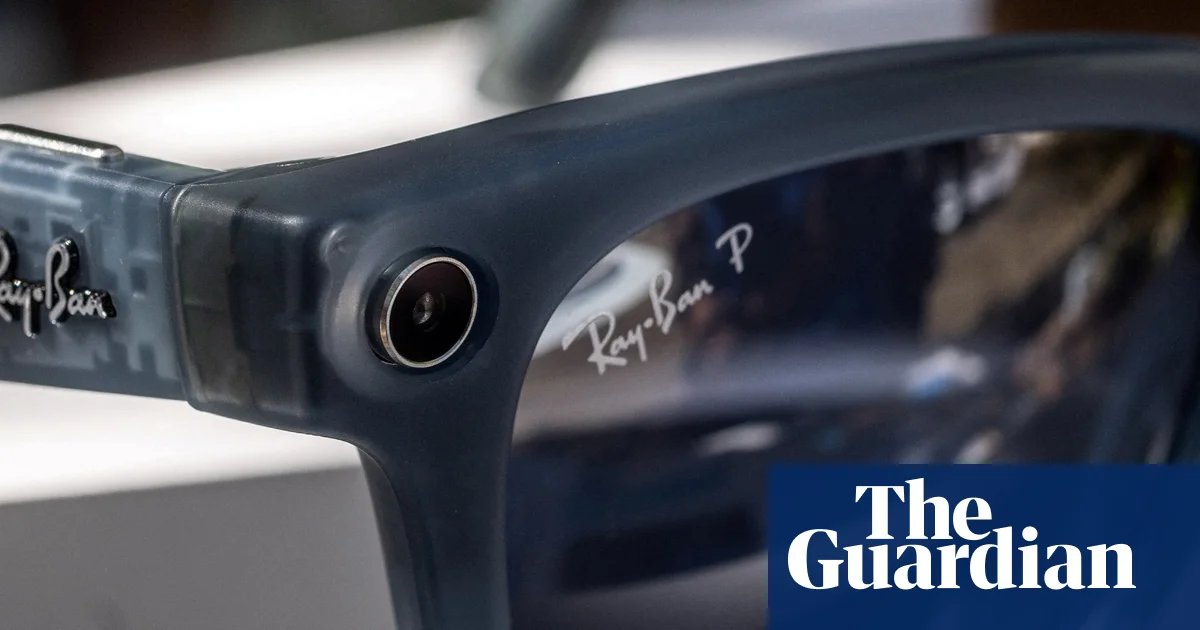
Australia's federal government has been advised to slow down its artificial intelligence (AI) usage and improve its security laws. This recommendation comes from technology companies, including OpenAI, which submitted a statement to an ongoing inquiry. The companies emphasized the need for national leaders to collaborate internationally to address global security threats posed by AI. They highlighted that many significant risks associated with AI do not respect national borders, making international cooperation increasingly vital. The submission underscores the urgency of establishing robust frameworks to mitigate these risks. The government is expected to consider these insights as it develops its policies on AI. The inquiry aims to assess the implications of AI technology on national security and public safety. OpenAI's comments reflect a growing concern among tech leaders regarding the rapid advancement of AI technologies. The call for better security laws is part of a broader discussion on how to balance innovation with safety.
Paul Keating warns Aukus pact could entangle Australia in US-China conflict
Former Australian Prime Minister Paul Keating has voiced strong criticism of the Aukus submarine deal, arguing it could lock Australia into a future conflict with China. He stated that such a war would be one that the United States would likely lose. Keating's remarks came after comments from Republican Congressman Michael McCaul, who suggested that Australia is already a target for adversaries of the US. McCaul claimed that closer military integration with the US would enhance Australia's security. However, Keating countered that this strategy could make Australia more vulnerable rather than providing protection. He expressed concerns about the implications of the Aukus pact on Australia's foreign policy and national security. Keating's warnings highlight a significant debate within Australia regarding its military alliances and strategies in the Asia-Pacific region. His statements have sparked discussions about the potential risks associated with deepening ties with the US amid rising tensions with China. The former Prime Minister's views resonate with a segment of the Australian public wary of entanglement in foreign conflicts.
Sydney woman sentenced for killing and dismembering abusive husband
Nirmeen Noufl, a 55-year-old woman from Sydney, has been sentenced to a minimum of three years in prison for the killing and dismemberment of her husband, Mamdouh Noufl. The sentencing occurred after she pleaded guilty to the charge of killing her husband in what she described as excessive self-defense during a violent altercation in their home. Justice Peter Hamill, who presided over the case, remarked on the brutal nature of the crime, stating that the disposal of the body was both thorough and brutal. Noufl had lied to police multiple times in an attempt to cover up her actions. The court heard that she had been subjected to ongoing abuse from her husband, which contributed to the circumstances surrounding the incident. Following her guilty plea in August, the court took into consideration the history of domestic violence in sentencing her. Noufl will serve an additional 12 months in jail beyond the minimum sentence due to the severity of her actions. This case has raised awareness about domestic violence issues in Australia and the complexities involved in self-defense claims.
Athlete Joanna Wietrzyk apologizes after mid-race incident at Hyrox games
Australian athlete Joanna Wietrzyk has publicly apologized after experiencing a distressing incident during the Hyrox fitness competition in Beijing. While competing, Wietrzyk won the race but faced embarrassment when she soiled herself, leaving visible fecal matter on her legs. This incident occurred while she was using communal equipment, which has raised concerns about hygiene and the reputation of the Hyrox games. The phenomenon of athletes experiencing gastrointestinal distress during intense exercise is not new, with a history dating back to the ancient Olympics. Experts have pointed to the "mechanical jostling of the intestines" during extreme physical activity as a potential cause. Wietrzyk's experience has sparked discussions about the challenges athletes face during competitions and the importance of addressing such issues. The incident has also highlighted the need for better awareness and understanding of athletes' health during high-stress events. Following the race, Wietrzyk expressed her regret and emphasized the importance of maintaining professionalism in sports.
Australia announces immigration policy changes affecting foreign students
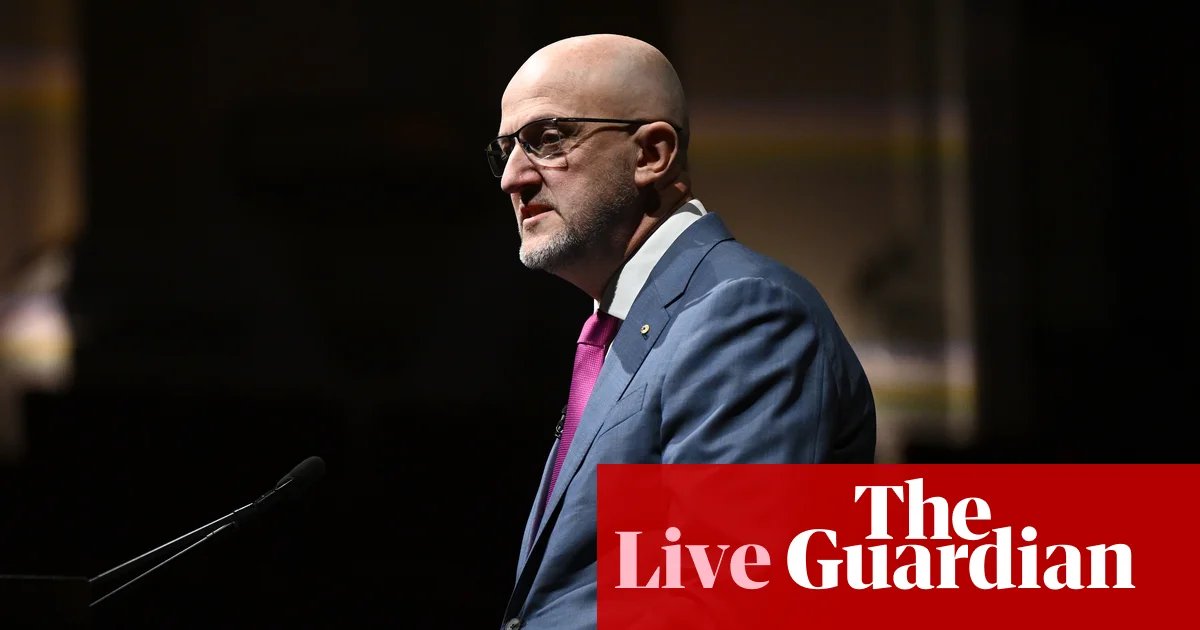
Australian Home Affairs Minister Tony Burke has proposed significant changes to the country's immigration policy, particularly regarding international students. During a speech at the National Press Club, Burke outlined plans to prevent international students from automatically bringing family members to Australia. He clarified that exceptions would be made for students from Pacific and ASEAN nations and those enrolled in specific courses, such as PhDs. The proposed changes aim to address concerns about the influx of family members accompanying students on visas. Burke assured that families already in Australia on student visas would not be separated under the new rules. The government is focusing on backpackers, students, and visa overstayers as part of its broader immigration strategy. Critics, including the Greens party, have expressed concerns about the implications of these changes, describing them as a "race to the bottom" in immigration policy. The announcement comes amid ongoing discussions about Australia’s immigration system and its impact on the economy and society.
Photo provided by : The Guardian
@hoju-korean.com Newsroom









![[Summary News] Australia Announces New Migration Plan, Outba…](https://hoju-korean.com/data/aus_news/20260917_210102_c01ade17.jpg)





![[Summary News] NSW ICAC Investigates Fugitive Developer's Bu…](https://hoju-korean.com/data/aus_news/20260916_210124_39b5453f.jpg)






댓글목록0