













Reintroduction Efforts
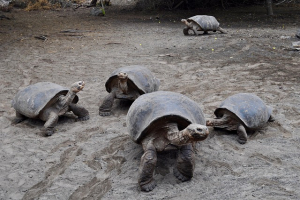
The Floreana giant tortoise (Chelonoidis niger niger), once native to the island, was driven to extinction in the 1840s due to hunting by whalers. In a remarkable conservation effort, 158 juvenile tortoises descended from a remnant population discovered on Isabela Island have been successfully returned to Floreana. This project is considered the largest ecological restoration initiative in the Pacific archipelago.
The restoration project began with the identification of a captive breeding program initiated in 2017, which aimed to recreate the Floreana subspecies as genetically close to the original as possible. A total of 23 hybrid tortoises were selected for breeding, leading to more than 600 hatchlings by 2025. This effort reflects the commitment to restore the island's biodiversity and revitalize its ecosystems.
Historical Context
Floreana Island, the sixth largest in the Galápagos, was once a thriving habitat for numerous endemic species, including the Floreana mockingbird and the Floreana racer snake. However, invasive species introduced by sailors and settlers severely impacted native wildlife. The return of the giant tortoises is a critical step toward reversing this trend and restoring the island's ecological balance.
Community Involvement
The Floreana Ecological Restoration Project is a collaborative effort between the Galápagos national park directorate and various charitable organizations, involving the island's 160 residents. Verónica Mora, a representative of the Floreana community, expressed optimism about the tortoises' return, highlighting its significance for future conservation and community well-being.
Invasive Species Management
A key component of the reintroduction strategy was the eradication of invasive species. In 2023, an extensive program was launched to remove rats and feral cats from the island, which had previously threatened the survival of native fauna. The success of this initiative has already been evidenced by the rediscovery of the Galapagos rail and the resurgence of various native species, including ground finches and geckos.
Wrap-up
The return of the Floreana giant tortoise signifies a hopeful turning point for conservation efforts in the Galápagos Islands. As the project continues, it not only aims to restore the island's natural heritage but also to foster a sustainable relationship between the local community and their environment.
Sources
theguardian.com
@hoju-korean.com Editorial Team





















댓글목록0