











![[Summary News] Climate Crisis Fuels Wildfires, Global Political Tensions Rise, and New Initiatives in Arts and Governance](https://pixabay.com/get/g24215113e5d09c02af84f345383ab5c202f9d29dd1ca39bdfd0a001d1d5428640d0c258e82d402b89a17ce8c1a7c0e50167fdad25074412e127cbecc029dc30c_640.jpg)
Wildfires in Patagonia
The climate crisis has led to catastrophic wildfires in Patagonia, resulting in the deaths of 23 individuals in Chile and extensive damage to ancient forests in Argentina. Researchers from the World Weather Attribution consortium indicate that climate change has made such hot, dry conditions three times more likely. The fires, which began in January, were exacerbated by government budget cuts to fire management services. The devastation has raised concerns about the future of unique biodiversity in the region, with scientists urging for urgent action to combat climate change and protect these ancient ecosystems.
Barbados Elections and Public Sentiment
As Barbados heads to the polls, Prime Minister Mia Amor Mottley is poised for a potential third term, with recent polls indicating strong support for her ruling Barbados Labour Party (BLP). However, nearly half of the electorate remains undecided, expressing concerns over the high cost of living and crime. The opposition Democratic Labour Party (DLP) has criticized the government for unmet promises, while Mottley defends her administration's record amid global crises. Analysts suggest the election will hinge on the DLP's viability and public confidence in Mottley’s leadership.
Ukraine-Russia Conflict Escalation
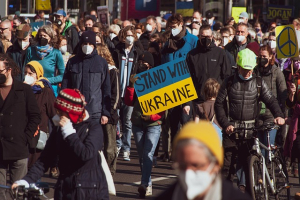
In Ukraine, Russian strikes have resulted in at least four fatalities as the conflict intensifies. The Ukrainian air force reported that 129 drones were detected overnight, with 112 neutralized. Amid this violence, there are indications of U.S. pressure on Ukraine to expedite peace negotiations, potentially including presidential elections and a referendum on a peace deal. This marks a significant shift in President Volodymyr Zelenskyy's previous stance against conducting elections during wartime, raising questions about the viability of such plans given the ongoing hostilities.
Swedish Prime Minister's Podcast Initiative
Swedish Prime Minister Ulf Kristersson has launched a podcast aimed at connecting with voters ahead of the September elections. Despite the friendly format, critics argue that this initiative alone may not be sufficient to improve his approval ratings. The podcast invites citizens to engage directly with the prime minister, but concerns remain regarding his government's performance and the rising popularity of the far-right Sweden Democrats.
Ireland's Permanent Arts Income Scheme
Ireland has announced a permanent Basic Income for the Arts scheme, providing €325 weekly to 2,000 eligible artists. This initiative, hailed as a world-first, follows a successful pilot program that reduced financial anxiety among artists during the pandemic. The scheme aims to foster a vibrant arts sector, although artists still face challenges related to the rising cost of living and housing crises.
Norway's Defense Chief Warns of Russian Threat
Norway's Chief of Defense, General Eirik Kristoffersen, has highlighted the potential for a Russian invasion aimed at protecting its nuclear assets. He stated that while Norway does not face the same direct threat as Ukraine, it must remain vigilant against possible Russian aggression. The comments reflect broader concerns about regional security amid heightened tensions following Russia's actions in Ukraine.
Israeli Policies Spark Global Outcry
Israel's recent measures to tighten control over the West Bank have drawn international condemnation, including from the United States and the European Union. The new policies aim to strengthen Israeli settlements and facilitate land ownership for non-Arabs, which critics argue will undermine the prospect of a sovereign Palestinian state. The backlash includes threats of sanctions and calls for Israel to reverse its decisions, as tensions in the region continue to escalate.
Iran's Nuclear Negotiations at Risk
Iran has urged the U.S. not to allow Israeli Prime Minister Benjamin Netanyahu to disrupt ongoing nuclear negotiations. As Netanyahu travels to Washington to advocate for stringent conditions on any potential deal, Iran's leadership has expressed concern over Israel's influence on the negotiations. The situation underscores the complexities of international diplomacy as tensions remain high in the Middle East.
Wrap-up
The interconnectedness of climate change, political dynamics, and international relations is becoming increasingly evident as countries navigate crises and seek solutions. From wildfires in Patagonia to elections in Barbados and contentious negotiations over nuclear agreements, global leaders face significant challenges that will shape the future landscape of international politics and environmental stewardship.
Sources
theguardian.com
theguardian.com
theguardian.com
theguardian.com
theguardian.com
theguardian.com
theguardian.com
theguardian.com
theguardian.com
theguardian.com
@hoju-korean.com Editorial Team













댓글목록0