












China's Position on Taiwan
In the call, Xi reiterated China's commitment to safeguarding its sovereignty and territorial integrity concerning Taiwan, which Beijing claims as its territory. He insisted that the US must handle arms sales to Taiwan with care to avoid further escalating tensions. This statement reflects China's longstanding position that any perceived support for Taiwan's independence is unacceptable.
Taiwan's Response
Following the call, Taiwan's President Lai Ching-te affirmed the strength of Taiwan-US relations, stating that cooperation between the two nations remains "rock solid." Lai made these remarks during a visit to textile merchants in western Taiwan, emphasizing the continuity of all cooperation projects despite China's warnings. Taiwan operates as a self-governing democracy and has been bolstering its defense capabilities amid increasing military pressure from China.
US Arms Sales to Taiwan
The United States is Taiwan's most significant informal ally and arms supplier, despite not officially recognizing it as a separate nation. In December, the US State Department proposed its largest-ever arms sales package to Taiwan, valued at over $11.1 billion, which includes advanced missile systems and drones. However, this package awaits congressional approval and faces opposition from Taiwan's political landscape, particularly from the opposition Kuomintang (KMT) party.
Political Dynamics in Taiwan
The KMT has blocked President Lai's proposed $40 billion special defense budget, suggesting a smaller defense spending plan instead. This internal political struggle highlights the complexities Taiwan faces in balancing defense needs against public sentiment and political opposition. The proposed increase in defense spending to 3.3% of Taiwan's GDP is also a point of contention among the populace.
Broader Implications of the Call
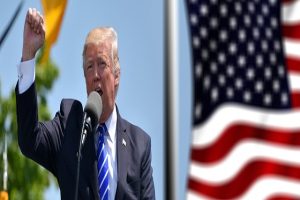
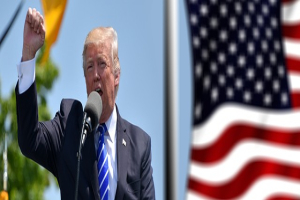
Trump described the call with Xi as "excellent" and "thorough," covering various topics, including Russia's war in Ukraine and China's potential purchase of US agricultural products. He expressed anticipation for an upcoming trip to China, signaling a willingness to engage with Beijing on multiple fronts. This dialogue occurs against a backdrop of heightened global scrutiny regarding US-China relations and the implications for regional stability.
Wrap-up
The exchange between Xi and Trump underscores the delicate balance of power in the Taiwan Strait and the potential ramifications of US arms sales on regional security. As both nations navigate their complex relationship, the future of Taiwan remains a pivotal issue that could influence broader geopolitical dynamics.
Sources
theguardian.com
@hoju-korean.com Editorial Team













댓글목록0