













Quebec Premier Resigns
François Legault, the Premier of Quebec, resigned unexpectedly during a press conference in Quebec City, citing his pride in founding the Coalition Avenir Québec (CAQ) and leading the province since 2018. His resignation follows a series of scandals and declining popularity, with polls suggesting the CAQ could lose all seats in the upcoming elections. The party has faced backlash over controversial legislation affecting healthcare and secularism, as well as significant issues regarding public safety and governance. Legault will remain in office until a new leader is elected, a process that could take months.
Venezuelan Government's Mixed Messages
In Venezuela, the regime has reported a mass release of political prisoners, including some U.S. citizens, amid ongoing allegations of repression. While officials claim over 400 prisoners have been released, NGOs contest that the actual number is much lower, with many still facing charges and restrictions on public statements. The situation remains tense as armed militias continue to intimidate citizens, and a state of emergency persists following the recent U.S. military intervention.
Tragedy Strikes in Thailand
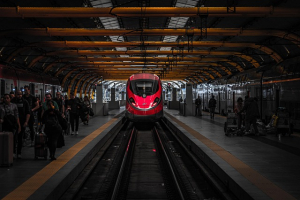
A crane collapse in Nakhon Ratchasima, Thailand, resulted in at least 28 fatalities and numerous injuries. The incident occurred while a passenger train was passing through a construction site associated with a high-speed rail project. Eyewitness accounts describe a loud noise followed by explosions as the crane fell onto the train. Rescue operations have been complicated by chemical leaks at the site, prompting authorities to halt efforts temporarily. The Thai government has pledged to investigate the incident thoroughly and hold responsible parties accountable.
China's Record Trade Surplus
China has reported a record trade surplus of $1.189 trillion, despite ongoing tariff challenges from the U.S. This surplus reflects a strategic pivot by Chinese manufacturers to diversify their markets amid renewed trade tensions. Exports rose 6.6% in December, surpassing expectations and demonstrating resilience in the face of economic challenges. Economists suggest that China's ability to maintain its trade momentum may be bolstered by setting up overseas production hubs to access lower tariffs.
Hizb ut-Tahrir's Stance on Hate Speech Laws
In Australia, the Islamist group Hizb ut-Tahrir has stated it will not disband in response to proposed hate speech legislation targeting groups deemed as hate organizations. The legislation aims to lower the threshold for classifying groups as hate entities, potentially exposing them to criminal charges. Hizb ut-Tahrir argues that its views are political and not based on hate or violence, and it plans to challenge any legal actions that may arise from the new laws.
Wrap-up
These developments highlight significant political shifts, tragic incidents, and economic challenges across various regions. From leadership changes in Quebec to human rights issues in Venezuela, and from industrial accidents in Thailand to trade dynamics in China, the international landscape continues to evolve rapidly. The proposed changes to hate speech laws in Australia also reflect ongoing global discussions about freedom of expression and the limits of political discourse.
Sources
theguardian.com
reuters.com
afp.com
@hoju-korean.com Editorial Team
























댓글목록0