







![[Summary News] Global Tensions Rise as Maduro Faces US Charges, Iran Protests Intensify, and European Political Dynamics Shift](https://pixabay.com/get/g1b168a8e82740526049c830421da92d083d4b34bba82627950ed29c2b4525633c18f76348aca37a27dd199b7cb4383b2_640.jpg)
Maduro's Legal Troubles in the US
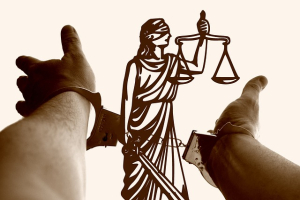
Nicolas Maduro appeared in a New York court on Monday, accompanied by Barry Pollack, a prominent lawyer known for representing Julian Assange. Maduro faces multiple charges, including drug-terrorism conspiracy, and could face life in prison. Pollack questioned the legality of Maduro's abduction by US forces in Caracas, arguing for his immunity as a sovereign leader. The US government has labeled Maduro a "narco-terrorist" and an "illegitimate president," intensifying the legal stakes surrounding his case.
The implications of the US raid extend beyond Venezuela, as analysts draw parallels to potential US military actions in Taiwan. Observers in China expressed concern that the US's aggressive actions against Maduro could embolden their own military ambitions regarding Taiwan, although official narratives emphasize that Taiwan's situation remains a domestic issue for China.
Escalating Protests in Iran
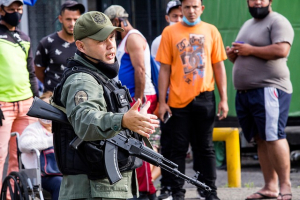
In Iran, protests against the government have intensified, spreading to 27 provinces and resulting in over 35 deaths, including at least three minors. Demonstrators are demanding political change and an end to corruption amid rising living costs. The Iranian government has announced economic reforms aimed at addressing these issues, including a new system of direct subsidies to consumers. However, officials have also warned that concessions to protesters will cease, accusing foreign powers of instigating unrest.
Human rights groups report that security forces have engaged in indiscriminate targeting of civilians, raising alarms over the treatment of detainees, including children. The protests, which began in response to economic hardships, have drawn international attention, with calls for investigations into the government's actions.
Political Shifts in Europe
In the UK, Prime Minister Keir Starmer is preparing for parliamentary battles over a new EU alignment bill that could grant ministers significant powers to negotiate closer ties with the European Union. The legislation aims to streamline trade agreements and align UK standards with those of the EU, but it has faced criticism from opposition parties concerned about the potential for overreach. The Liberal Democrats have vowed to amend the bill to ensure a binding vote on customs union arrangements.
In Denmark, Prime Minister Mette Frederiksen has responded to former President Donald Trump's renewed threats regarding Greenland, stating that any US attack on a NATO ally would undermine the alliance and global security. This comes amid heightened tensions surrounding Greenland's strategic importance and its mineral resources.
Asylum Seekers' Treatment in the UK
Eighty asylum seekers detained in the UK under the "one in, one out" policy have accused the government of degrading treatment, calling for UN investigations into their conditions. The detainees, who arrived from conflict zones, report suffering psychological distress and inadequate medical care. The UK government is implementing new powers to examine the mobile phones of asylum seekers, raising concerns about privacy and human rights.
Wrap-up
The global landscape is increasingly fraught with tension as Maduro's legal battles unfold, protests in Iran escalate, and European political dynamics shift. The implications of these events are far-reaching, affecting international relations and domestic policies across various nations. As the situation develops, the world watches closely to see how these intertwined issues will evolve.
Sources: theguardian.com
@hoju-korean.com Editorial Team







댓글목록0