













Xi Jinping's Reunification Vision
In a speech delivered on December 31, 2023, Xi Jinping declared that the reunification of China and Taiwan is an “unstoppable” trend, following extensive military drills around the island. The Chinese military conducted live-fire exercises, simulating a blockade, involving 89 warplanes, the highest number in over a year. Xi's remarks come amid rising concerns in the United States regarding China's military capabilities and intentions toward Taiwan. The speech emphasized China's desire for global recognition of its claim over Taiwan, a sentiment largely rejected by the Taiwanese populace.
Japan's Call for Gender Equality
In Japan, a petition signed by nearly 60 female lawmakers, including Prime Minister Sanae Takaichi, has been submitted to demand more restroom facilities in the parliament building. Currently, the Diet building has only one restroom with two cubicles for its 73 female members, necessitating long queues before sessions. This situation underscores the ongoing gender disparity in Japanese politics, where women remain underrepresented. Despite a slight increase in female lawmakers, Japan ranks low in global gender equality indices, highlighting the need for systemic changes in both political and social spheres.
Australia's Climate Change Alarm
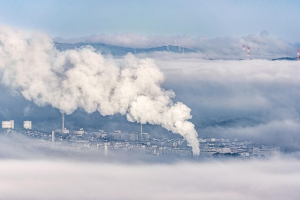
In Australia, newly released cabinet documents from 2005 reveal that the government was warned about the accelerating impacts of climate change. The then-foreign affairs minister Alexander Downer and environment minister Ian Campbell cautioned that Australia's reliance on coal would complicate efforts to mitigate climate effects. The documents indicated that climate change posed significant threats to Australia's water resources, agriculture, and public health. Despite these warnings, the government had previously opted not to ratify the Kyoto Protocol, raising concerns among investors about the long-term viability of Australian businesses in a changing climate.
Wrap-up
These developments in China, Japan, and Australia reflect ongoing geopolitical tensions, social struggles for equality, and urgent environmental challenges. Xi Jinping's assertive stance on Taiwan, Japan's push for better representation of women in politics, and Australia's acknowledgment of climate vulnerabilities all illustrate the complex landscape of international issues facing these nations.
Sources
theguardian.com
@hoju-korean.com Editorial Team






















댓글목록0