













Quebec's Secularism Law
On Thursday, the Quebec government introduced Bill 9, a sweeping law that prohibits public prayer in institutions such as colleges and universities, as well as communal prayer in public spaces like parks and roads. The legislation, proposed by the governing Coalition Avenir Québec (CAQ), imposes fines of C$1,125 for groups violating the ban, although short public events with prior approval are exempt. Quebec's secularism minister, Jean-François Roberge, stated that the law aims to ensure state neutrality, arguing that public institutions should not serve as places of worship. Critics, particularly from Muslim communities, view the law as a direct attack on their rights, while the Assembly of Quebec Catholic Bishops condemned it as a radical infringement on freedoms.
Indigenous Resistance to Pipeline Project
In a separate but equally contentious issue, the Haida nation has firmly opposed a proposed oil pipeline that would transport heavy oil from Alberta's oil sands to the Pacific coast. Canadian Prime Minister Mark Carney and Alberta Premier Danielle Smith recently announced an energy deal intended to facilitate the project. However, Haida president Gaagwiis stated unequivocally that the pipeline "is not going to happen," emphasizing the government's obligation to honor Indigenous rights and the potential environmental risks associated with oil spills. Marilyn Slett, president of the Coastal First Nations, echoed these sentiments, expressing a complete disinterest in the project that threatens their way of life.
Zuma's Daughter Resigns Amid Controversy
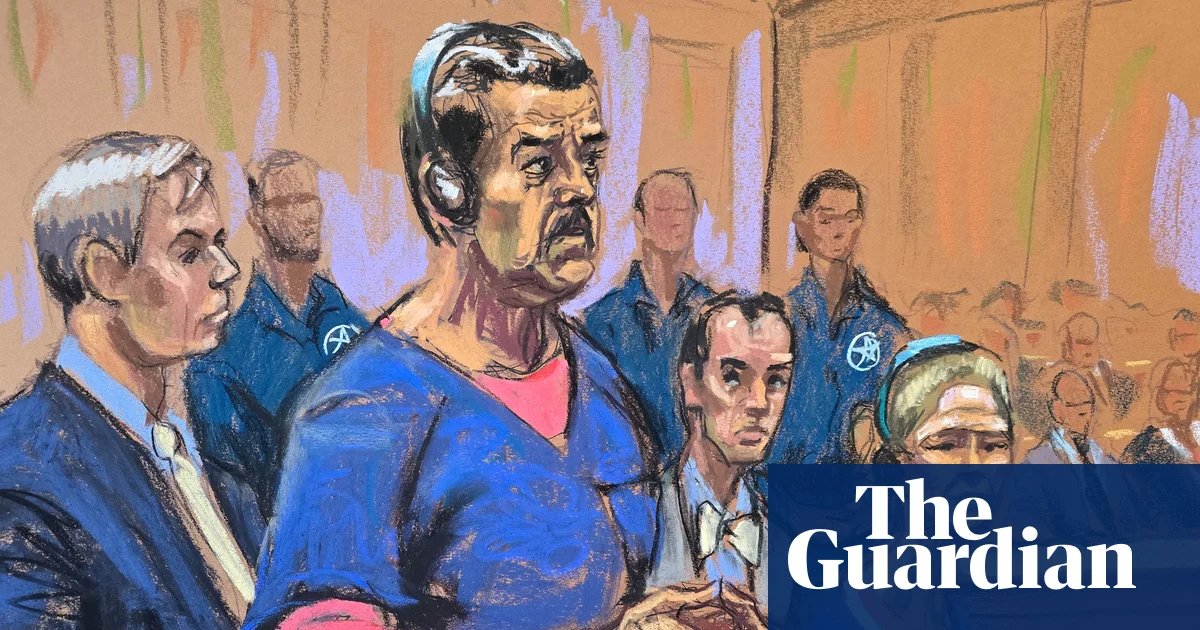
In a related international development, Duduzile Zuma-Sambudla, daughter of former South African president Jacob Zuma, resigned from her position as an MP following allegations of tricking South African men into fighting for Russia in Ukraine. The men were reportedly led to believe they were going for training as bodyguards for the Zuma family's political party. Zuma-Sambudla has claimed she was misled and is cooperating with police investigations to bring the men home. The situation has raised questions about her involvement and the political ramifications for the Zuma family, especially given the former president's controversial legacy.
Wrap-up
These three stories highlight ongoing tensions surrounding governance, rights, and identity in Canada and South Africa. Quebec's new secularism law has drawn sharp criticism for its potential impact on religious minorities, while the Haida nation's resistance underscores the continuing struggle for Indigenous rights against resource exploitation. Meanwhile, the scandal involving Duduzile Zuma-Sambudla reveals the complexities of political legacy and accountability in South Africa.
Sources
theguardian.com
newsis.com
@hoju-korean.com Editorial Team















댓글목록0