











![[Summary News] Europe Faces Challenges in Ukraine Peace Talks Amid Rising Tensions in Gaza](https://pixabay.com/get/g6845158120ef6210b45c44282fb90f605f41adf6ba05beaeb87d28e4f3fffe827fd1c3ee89b29bffe21c802638e433485eeec96611a446ceef4a4d4173420712_640.jpg)
Europe's Response to US-Russia Peace Proposal
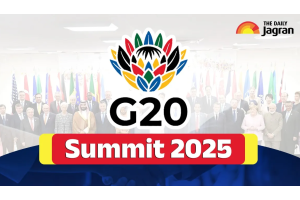
European Council President António Costa and European Commission President Ursula von der Leyen engaged in discussions in Johannesburg ahead of the G20 summit, where they expressed concerns about the US-backed peace plan for Ukraine. Costa noted that the EU had not been consulted on the plan, emphasizing that “it makes no sense to comment” without further details. Von der Leyen reaffirmed the EU's commitment to a peaceful resolution, stating, “nothing about Ukraine without Ukraine.” The proposed 28-point plan reportedly requires Ukraine to make significant territorial concessions, including the cession of Crimea and parts of the Donbas region, raising alarm among Ukrainian officials who view it as a threat to their sovereignty.
Zelenskyy's Negotiation with Trump
Zelenskyy has confirmed that he received a draft peace plan from US officials and will discuss it with Trump soon. The plan, which has drawn criticism for its perceived bias towards Russian interests, includes stipulations that would limit Ukraine’s military capacity and prevent it from joining NATO. Despite the backlash from some Ukrainian officials, Zelenskyy emphasized the importance of maintaining a constructive diplomatic process, stating that Ukraine would not disrupt efforts for peace. The plan's details have provoked strong reactions within Ukraine, with some viewing it as a potential end to their independence.
European Diplomats Demand Inclusion
European foreign ministers have unanimously called for their involvement in any peace negotiations between Ukraine and Russia. EU foreign policy chief Kaja Kallas stressed that meaningful peace efforts must include Ukrainian and European input, stating that “peace cannot mean capitulation.” The German foreign minister echoed this sentiment, insisting that any ceasefire discussions must involve Ukraine directly. The EU continues to focus on sanctions against Russia, aiming to weaken its position while supporting Ukraine in its defense.
Escalation of Violence in Gaza
In Gaza, Israeli airstrikes have intensified, resulting in the deaths of 33 individuals, including women and children, amidst claims of retaliation against fire from Hamas militants. Medical officials reported that the strikes targeted tents housing displaced families, raising concerns about the humanitarian crisis in the region. The situation has led many Palestinians to feel that the conflict has not truly ceased, as ongoing violence continues to disrupt their lives. Qatar has condemned the airstrikes as a dangerous escalation that threatens the fragile ceasefire.
Decline in Donations for Gaza Relief
Fundraisers for Palestinian civilians in Gaza report a dramatic decline in donations since the ceasefire began. Organizers noted that support has fallen sharply, making it increasingly difficult to provide essential aid to those in need. With winter approaching and many displaced individuals lacking basic necessities, the situation is becoming increasingly dire. Nonprofits have also experienced significant drops in contributions, exacerbating the humanitarian crisis as the region remains in turmoil.
Wrap-up
The developments in Ukraine and Gaza highlight the complex geopolitical landscape facing European leaders and the international community. As Zelenskyy prepares to engage in negotiations regarding the controversial peace plan, the humanitarian situation in Gaza continues to deteriorate, with rising casualties and a critical need for sustained support. The call for inclusive peace talks in Ukraine underscores the necessity of collaborative efforts to achieve stability in both regions.
Sources
theguardian.com
theguardian.com
theguardian.com
theguardian.com
theguardian.com
theguardian.com
theguardian.com
@hoju-korean.com Editorial Team















댓글목록0