












Nicki Minaj to Speak on Religious Persecution
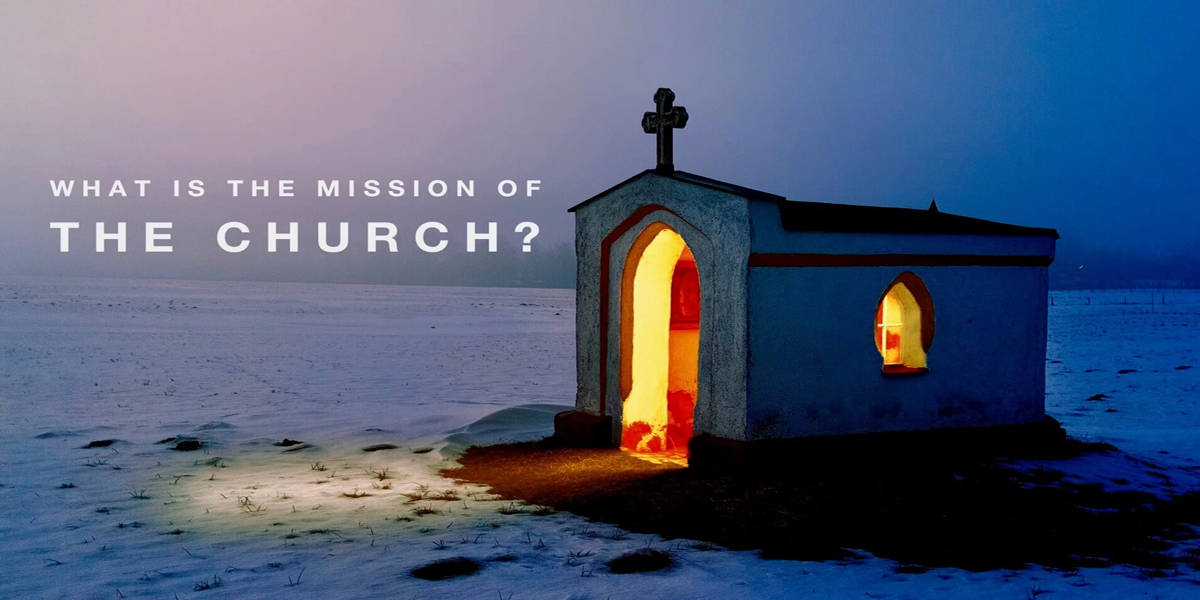
Nicki Minaj, the Trinidadian rapper, will address the United Nations in New York on Tuesday, focusing on the persecution of Christians in Nigeria. This collaboration with the White House was confirmed by US ambassador to the UN, Michael Waltz, who praised Minaj for using her platform to raise awareness about the issue. The initiative follows pressure from conservative Christian groups urging the US government to classify Nigeria as a "country of particular concern" due to ongoing violence against Christians. President Donald Trump has also commented on the situation, threatening military intervention while neglecting to mention the violence faced by Muslims in the region.
Indigenous Rights Under Threat at Climate Talks
During the ongoing COP30 climate talks, more than 200 human rights and environmental groups have accused UN climate chief Simon Stiell of enabling a crackdown on Indigenous peoples. The letter highlighted a climate of fear affecting Indigenous leaders and activists. This comes in the wake of the assassination of Vicente Fernandes Vilhalva, a Guarani Kaiowá leader in Brazil, who was shot dead amid ongoing disputes over land rights. The attacks have raised alarms about the safety of environmental defenders in Latin America, which is known to be the deadliest region for such activists.
Business Leaders Challenge Energy Policy Changes
In Australia, business and energy leaders are cautioning against the Coalition's recent decision to abandon net-zero emissions targets. They argue that this move, which includes dismantling climate policies and increasing reliance on fossil fuels, will not lead to lower power bills as claimed. Critics, including the chief executive of the Australian Chamber of Commerce and Industry, have labeled the policy as lacking a clear plan. The Coalition's opposition leader, Sussan Ley, has promised that their approach will reduce power prices, but many remain skeptical about the feasibility of these claims.
Wrap-up
As global leaders converge on the UN to address critical issues, the intersection of human rights and climate action is becoming increasingly complex. Minaj's advocacy for persecuted Christians in Nigeria and the outcry over Indigenous rights at COP30 reflect a growing awareness of the interconnectedness of these global challenges. Meanwhile, the debate over energy policy in Australia underscores the contentious nature of climate action and its economic implications.
Sources
theguardian.com
@hoju-korean.com Editorial Team


















댓글목록0