













Fossil Fuel Lobbyists at COP30
More than 1,600 fossil fuel lobbyists have gained access to the COP30 climate negotiations in Belém, Brazil, significantly outnumbering all delegations except that of the host country. This figure, representing one in every 25 participants, raises serious concerns about corporate influence over climate policy. The Kick Big Polluters Out coalition reports that this year's presence of lobbyists marks a 12% increase from the previous year and the highest proportion relative to participating nations. The Brazilian President, Luiz Inácio Lula da Silva, has pledged to combat disinformation at the summit, yet the fossil fuel industry’s presence remains substantial, with lobbyists outnumbering delegates from the Philippines and Iran by nearly 50 to 1.
Global Market Struggles
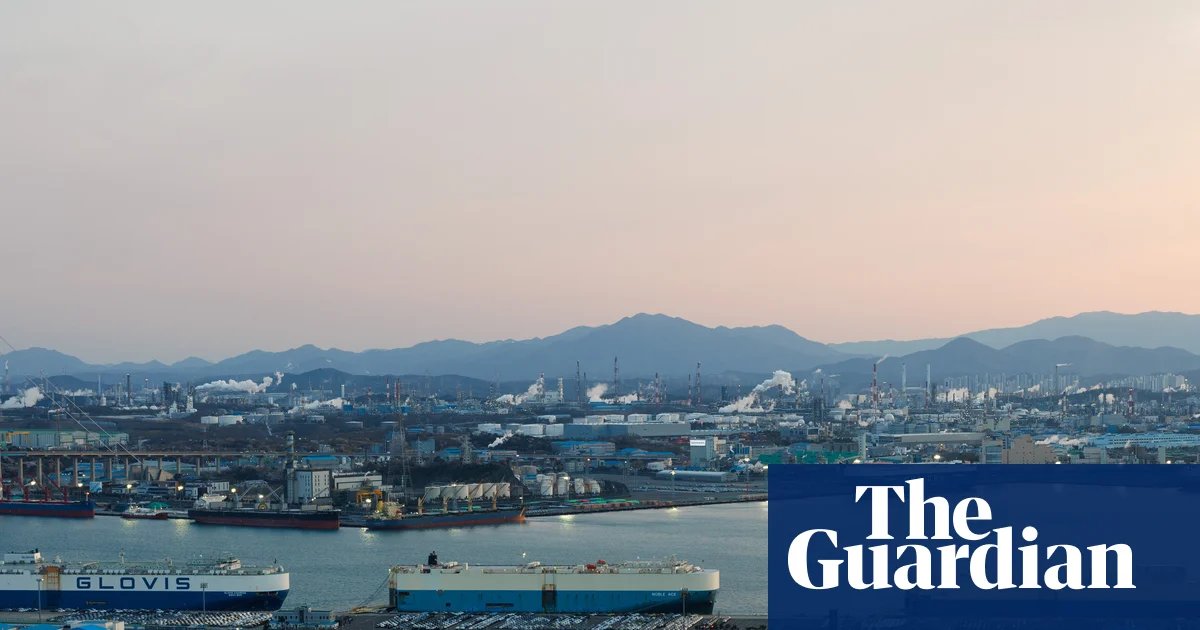
On the economic front, global markets are grappling with instability following a tech sector decline and alarming economic data from China. The FTSE 100 in London dropped by 1.1%, while US markets faced pressure, particularly the tech-heavy Nasdaq, which fell as much as 1.8% before recovering slightly. Concerns over the Chinese economy intensified as investment data revealed a record decline of 1.7% in fixed-asset investment for the first ten months of the year. Additionally, the ongoing US government shutdown has further complicated market conditions, delaying key economic data releases and raising questions about future interest rate adjustments.
AI-Enabled Cybersecurity Threats
In a related development, the US-based AI company Anthropic has reported halting a Chinese state-sponsored cyber-espionage campaign that targeted 30 entities worldwide. The campaign marked a significant escalation in AI-enabled attacks, as the coding tool, Claude Code, executed most operations with minimal human oversight. While Anthropic did not disclose specific targets, it emphasized the unprecedented nature of the attack, which was largely autonomous. Cybersecurity experts have expressed concerns over the implications of AI capabilities in cyber warfare, with some calling for immediate regulatory measures to address the risks posed by advanced AI systems.
Wrap-up
The convergence of climate negotiations, economic instability, and cybersecurity threats underscores a complex global landscape. As COP30 progresses with a high concentration of fossil fuel lobbyists, markets react to economic fears and technological vulnerabilities, raising urgent questions about governance, regulation, and the future of international cooperation.
Sources
theguardian.com
@hoju-korean.com Editorial Team























댓글목록0