













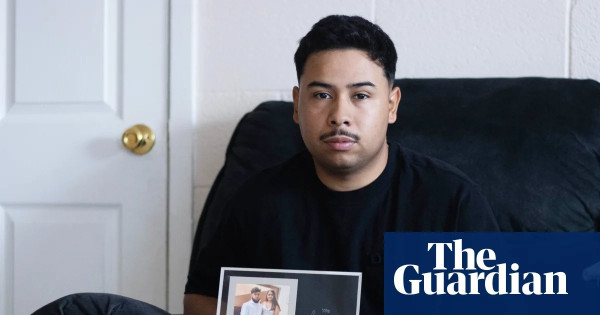
US Military Spouse Deported
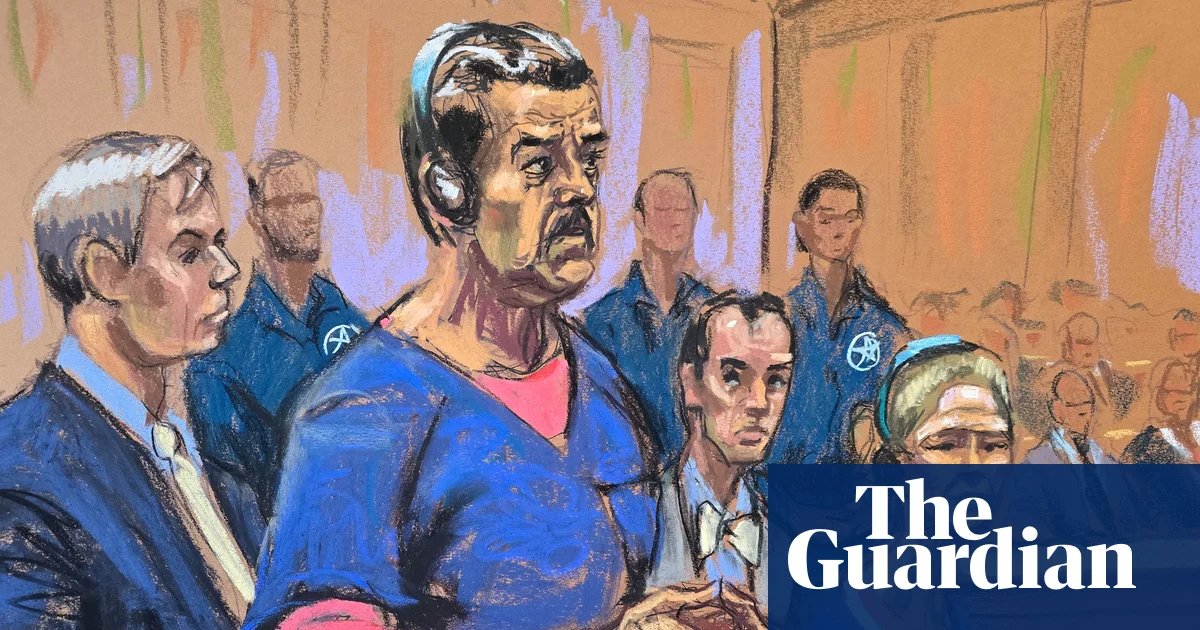
Cristy Maryori Villafranca-Trejo, the wife of an active-duty US soldier, was deported to Honduras after being detained by immigration authorities in July. This marks the latest case in a series of deportations affecting military families since the Trump administration rolled back protections for military spouses. Her husband, Sgt Hedar Leonel Turcios Juarez, has struggled to balance his military duties and care for their six-year-old daughter since her detention. Villafranca-Trejo was issued a final order of removal after failing to appear at a hearing, which her family claims she did not receive notice for. The Department of Homeland Security confirmed her deportation, stating she had received due process.
Gang Violence in Haiti
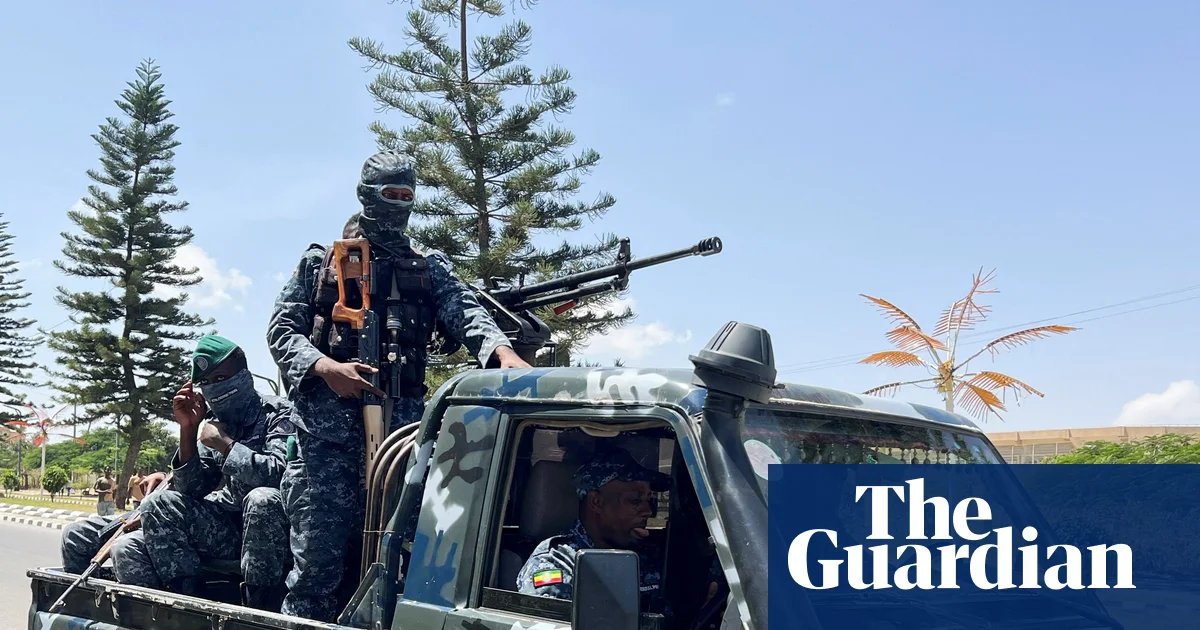
In a separate incident, at least 47 people were killed and over 50 kidnapped during a gang attack in Kenscoff, near Port-au-Prince, Haiti. The attack, led by a gang leader known as Izo 2, has raised concerns about the deteriorating security situation in the country. The gang has threatened to kill hostages if police attempt to intervene, signaling a direct challenge to the government as it prepares for upcoming elections. This violence underscores the challenges facing Haiti's authorities and the international community, as they seek to restore order in a nation plagued by gang control.
Colombia's Immigration Crackdown
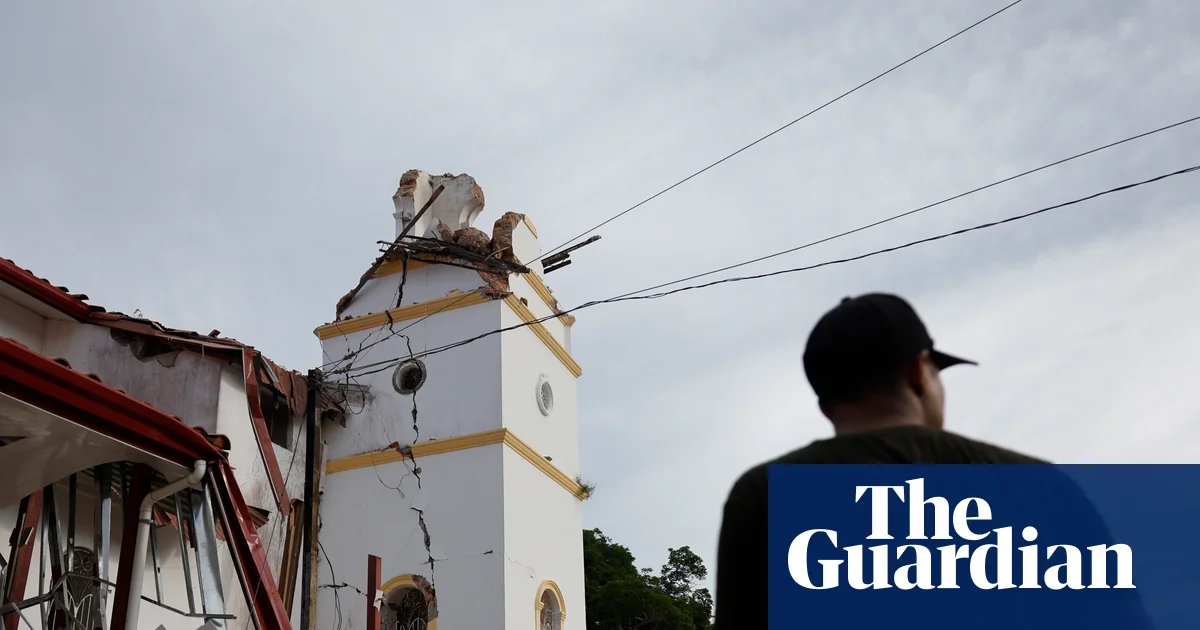
Colombia's new president, Abelardo de la Espriella, announced a crackdown on irregular immigration, directing authorities to detain and deport individuals without legal status or those who have committed crimes. This policy shift comes in the wake of a devastating earthquake that killed over 300 people and destroyed thousands of homes. De la Espriella's rhetoric mirrors that of his US counterpart, emphasizing a "Colombians first" approach. Critics argue that this policy could endanger many Venezuelan migrants who are already fleeing dire conditions in their home country. The opposition has condemned the crackdown as xenophobic, calling for the regularization of migrants rather than their deportation.
US Military Strikes Against Drug Traffickers
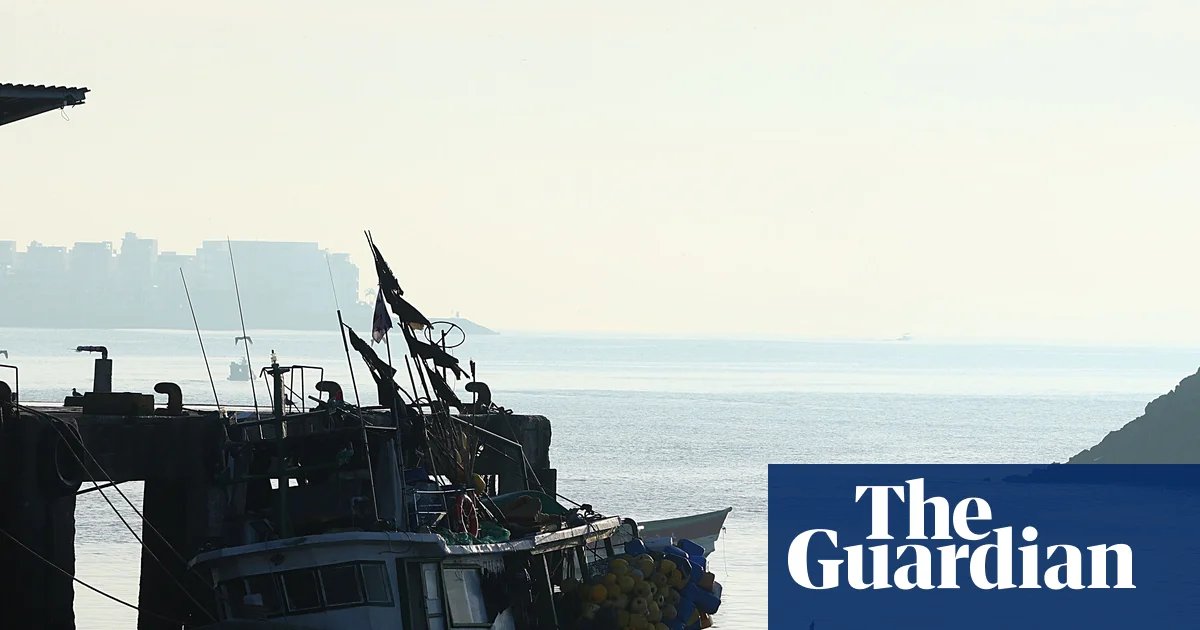
In a related development, the US military conducted a strike in the eastern Pacific, killing two individuals accused of drug trafficking. This operation is part of a broader campaign initiated by the Trump administration to target narco-traffickers operating in the region. US Southern Command stated that the strike demonstrated their commitment to disrupting drug trafficking operations, although the effectiveness of these strikes remains in question, as reports indicate little success in reducing drug flow into the US.
Wrap-up
These events illustrate the complex interplay of immigration policy, violence, and political decisions in the Americas. As countries grapple with internal and external pressures, the consequences for families and communities become increasingly severe. The situation remains fluid, with ongoing implications for human rights and regional stability.
Sources
theguardian.com
newsis.com
Photo provided by : The Guardian
@hoju-korean.com Editorial Team


















댓글목록0