










Power Crisis Intensifies
The latest blackout is part of a troubling trend, marking the eighth such incident since late 2024. Residents in Havana and rural areas have endured severe power cuts, with some neighborhoods receiving electricity for only three to four hours daily. In more extreme cases, certain regions have been without power for over 70 hours. The United Nations has warned that the situation could escalate into a humanitarian emergency, with food, clean drinking water, and medical supplies becoming increasingly scarce.
Impact of the U.S. Oil Blockade
The ongoing U.S. oil blockade, initiated by former President Donald Trump in January, has severely restricted fuel supplies necessary for Cuba's power generation. The blockade has allowed only one oil tanker from Russia to dock on the island since its implementation, crippling the already struggling energy sector. The Cuban government has attempted to address the crisis by investing in solar energy, which currently accounts for just 10% of the energy mix. However, these efforts have not been sufficient to meet the needs of the population.
Daily Struggles of Cubans
Residents have expressed their frustration over the persistent blackouts. Meyboll Font, a self-employed social media community manager, described the agony of living under such conditions. "We have no wifi, no electricity, we can’t work," lamented a young software programmer. The uncertainty surrounding power restoration has left many feeling helpless and desperate, as the government struggles to maintain basic services.
Government Response
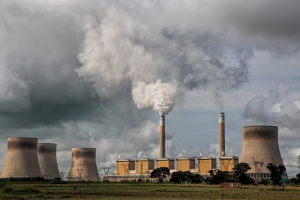
In response to the escalating crisis, the Cuban government has implemented increasingly stringent power cuts across the country. Authorities cite a lack of fuel as the primary reason for the blackouts, with the national electricity generation system largely reliant on outdated Soviet-era plants. The government is under pressure to find solutions to the energy crisis while managing public discontent.
Wrap-up
Cuba's ongoing power crisis highlights the intersection of geopolitical tensions and domestic challenges. The combination of an oil blockade and an aging energy infrastructure has left the island's 9.6 million residents grappling with the harsh realities of daily life. Without significant changes, the situation is likely to worsen, prompting urgent calls for international assistance and a reevaluation of current policies.
Sources
theguardian.com
@hoju-korean.com Editorial Team












댓글목록0