













Sierra Leone's First Lady and Female Genital Mutilation Controversy
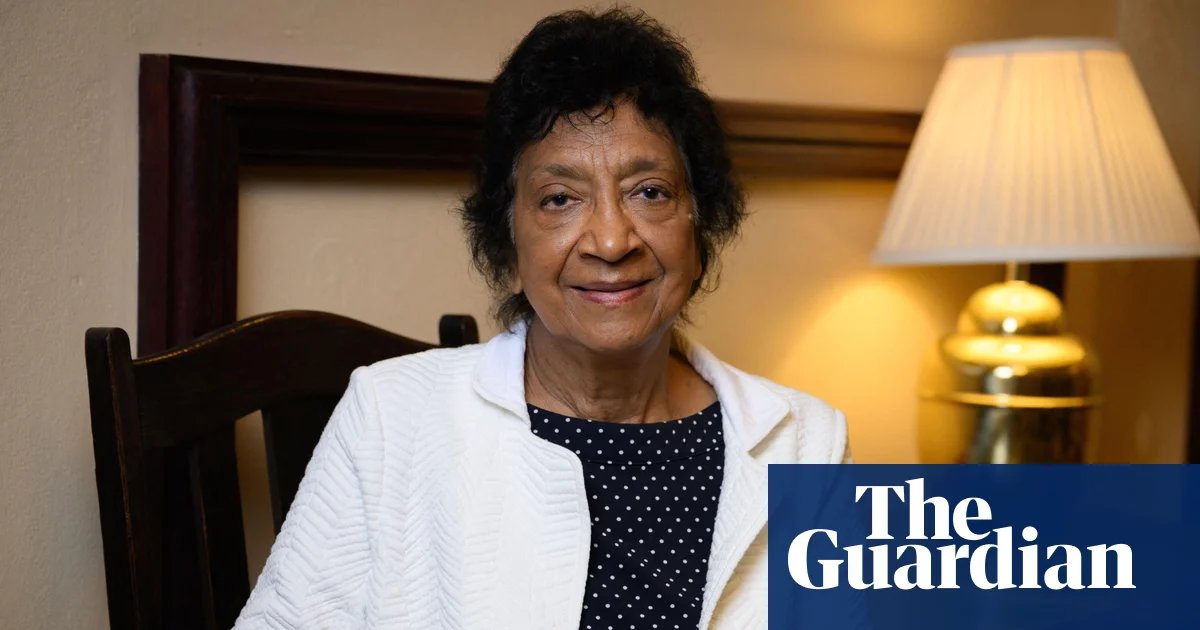
Fatima Maada Bio, the first lady of Sierra Leone, has faced backlash for her refusal to condemn female genital mutilation (FGM) until she receives "reliable data" on its harms. This statement has drawn criticism from health professionals, survivors, and human rights activists, who argue that her perceived support for the practice undermines efforts to eradicate it. FGM is prevalent in Sierra Leone, with 83% of women having undergone the procedure, often before age 15. The practice poses severe health risks and is deemed a violation of human rights. Advocates are calling for clarity on Bio's position, as her influence could significantly impact the fight against FGM.
Ghana's Conference on Reparatory Justice
Ghana is hosting a pivotal conference in Accra aimed at advancing reparatory justice in light of the UN's recent resolution declaring the transatlantic slave trade a crime against humanity. The three-day event brings together representatives from over 80 countries, including heads of state and civil society leaders. Discussions will focus on establishing a framework for reparations and fostering dialogue on historical injustices. This gathering marks a significant step in addressing the legacies of slavery and colonialism, emphasizing the need for a collective commitment to reparative justice.
Ebola Outbreak in the Democratic Republic of the Congo
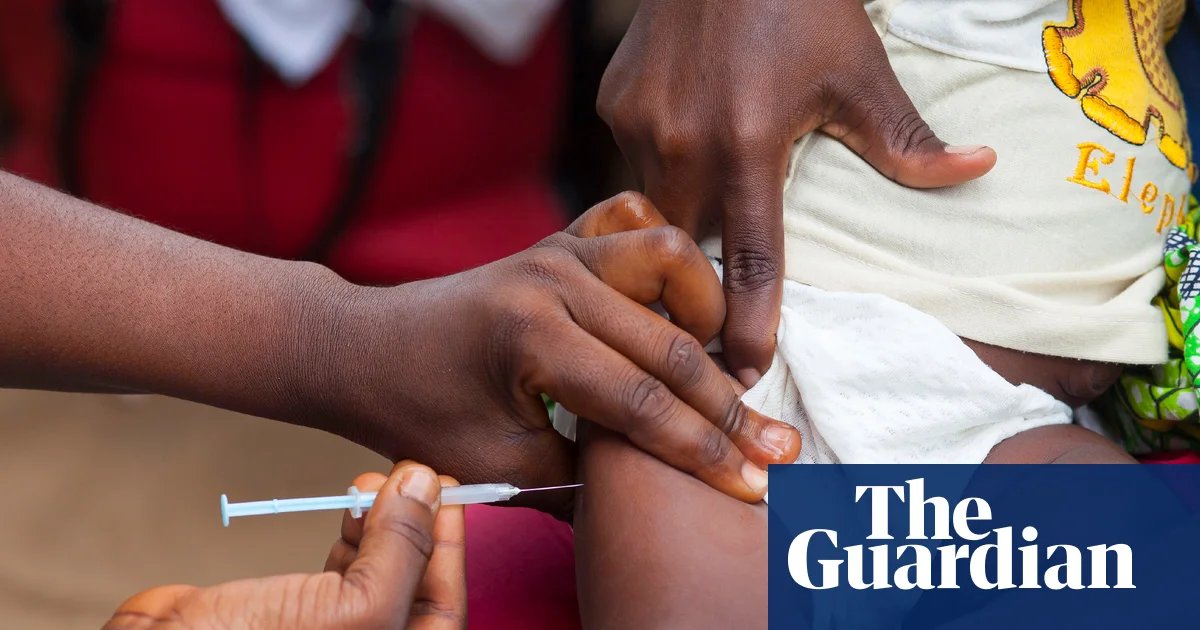
The Democratic Republic of the Congo is experiencing a resurgence of Ebola, declared a public health emergency by the World Health Organization. The outbreak, attributed to the Bundibugyo virus, has resulted in 136 deaths and 676 confirmed cases. Health authorities are racing to contain the spread, particularly in Bunia, where schools are implementing strict hygiene measures. The economic impact is palpable, as local businesses struggle due to fear of contagion. This outbreak follows a previous epidemic that lasted from 2018 to 2020, highlighting the persistent threat of Ebola in the region.
Tragic Home Birth Incident in Australia
In Australia, an inquest into the death of 30-year-old wellness influencer Stacey Warnecke has raised alarms about the risks associated with unregulated home births. Warnecke died after experiencing severe postpartum hemorrhage during a freebirth attended by a self-proclaimed "birthkeeper" with no medical training. The inquest revealed critical failures in recognizing and responding to medical emergencies, prompting discussions about the need for better education and regulation surrounding home births and the importance of mental health awareness.
Mental Health Crisis and Its Consequences
A tragic case in New South Wales highlights the devastating consequences of untreated mental health issues. A teenager, experiencing acute psychosis, killed a 10-year-old girl after her mother failed to seek appropriate mental health support. The mother expressed regret for not understanding the seriousness of her daughter's condition, emphasizing the need for greater awareness and resources for mental health. This incident underscores the critical importance of early intervention and education in preventing similar tragedies.
Wrap-up
These interconnected global issues—from health crises like Ebola and the dangers of unregulated home births to the urgent call for reparatory justice and the need for mental health awareness—reflect the complexities of societal challenges today. Addressing these problems requires concerted efforts from governments, health organizations, and communities worldwide.
Sources
theguardian.com
@hoju-korean.com Editorial Team
















댓글목록0