













Investigation Findings
The investigation highlights that coltan, a crucial mineral for electronic devices, is being smuggled from the DRC to Rwanda and then sold to major international firms. The M23 militia, which has been active in eastern DRC, has been responsible for numerous atrocities and is believed to receive significant financial support from the sale of this mineral. According to Global Witness, the militia generates approximately £600,000 per month from coltan taxation in the Rubaya region, where the mineral is mined.
Supply Chain Complications
The report reveals that five of the seven largest Rwandan exporters of coltan are purchasing conflict minerals from the DRC. These exporters sell the coltan through intermediaries to smelters in China and Kazakhstan, where it is processed into tantalum, a key component in manufacturing capacitors for electronic devices. This complex supply chain raises serious ethical concerns regarding the sourcing practices of major tech companies.
Call for Accountability
Alex Kopp, a senior policy adviser at Global Witness, emphasized the need for government intervention to hold these companies accountable for their supply chains. He called for sanctions against entities that financially support the M23 militia, urging that the minerals fueling technological advancements should not come at the cost of human suffering and exploitation.
Rwandan Involvement
The investigation also points to potential complicity among Rwandan officials, with allegations that they are aware of the smuggling operations. Previously, coltan was smuggled through less monitored border areas, but recent reports indicate that significant quantities are now entering Rwanda through Goma, a city that fell under M23 control last year.
Impact on Civilians
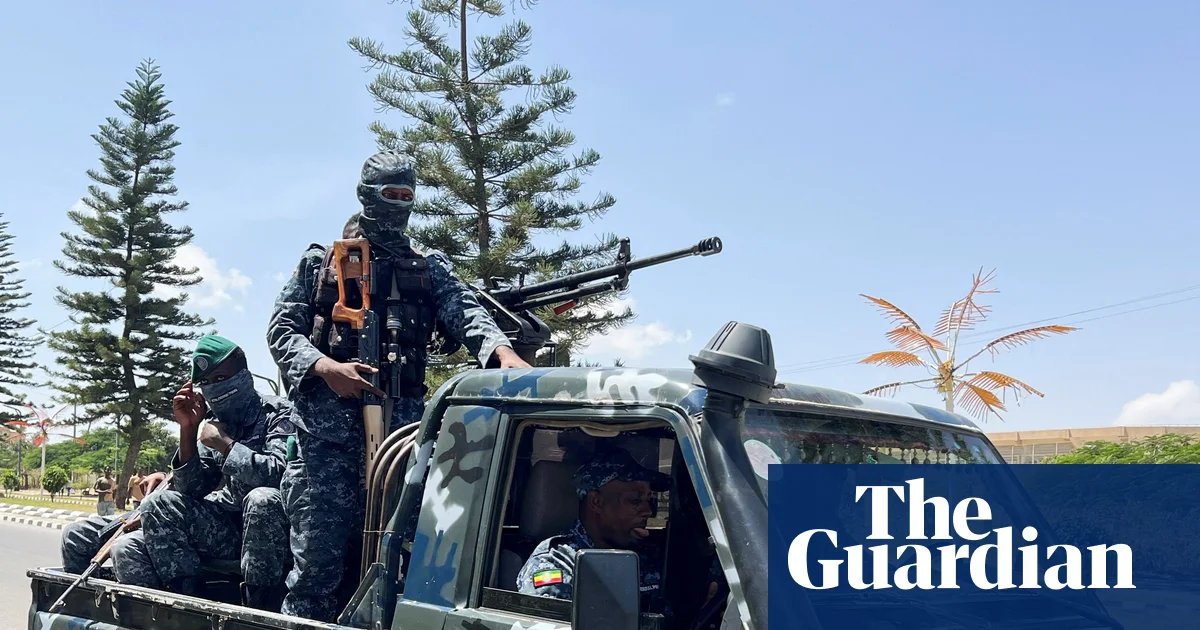
The ongoing conflict in eastern DRC has led to the displacement of hundreds of thousands of civilians, with the M23 militia engaging in widespread violence and abduction. As the international community grapples with these revelations, the question remains whether global brands will take responsibility for their role in perpetuating this cycle of violence through their supply chains.
Wrap-up
The findings of this investigation spotlight the intersection of technology and human rights, urging a reevaluation of sourcing practices among global brands. As consumers become increasingly aware of the ethical implications of their purchases, the pressure on companies to ensure conflict-free supply chains is likely to intensify.
Sources
theguardian.com
@hoju-korean.com Editorial Team

















댓글목록0