









Ebola Outbreak in the Democratic Republic of Congo
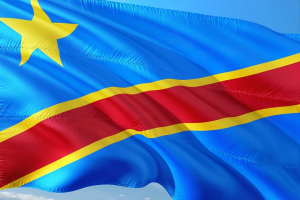
The World Health Organization (WHO) has called for collective action to contain the Ebola outbreak in the DRC, stating that it is "everybody's business." During a visit to eastern Congo, WHO Director-General Tedros Adhanom Ghebreyesus highlighted the necessity for community cooperation, especially as some residents protested against strict medical protocols regarding the handling of victims' bodies. The outbreak, caused by the Bundibugyo virus, has led to 906 suspected cases and 223 suspected deaths. Ghebreyesus opened a treatment center in Bunia, urging individuals to seek medical help early to increase recovery chances. The region's ongoing violence has complicated relief efforts, prompting Ghebreyesus to call for a ceasefire to prevent further loss of life from this preventable disease.
Health authorities in Brazil are also on alert, monitoring two patients for potential Ebola symptoms. The WHO has classified the outbreak as a public health emergency of international concern, marking the 17th recorded Ebola epidemic in the DRC since the disease was first identified in 1976. Despite the absence of a vaccine for the current strain, health officials report that recovery is possible with timely medical intervention.
Renewed Scrutiny of Race Relations in Ireland
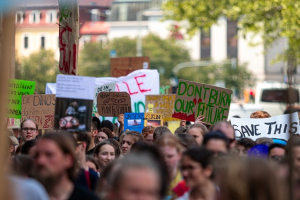
In Ireland, the death of Yves Sakila, a 35-year-old Congolese man, has sparked protests and renewed scrutiny of race relations. Sakila died after being restrained by shop security guards in Dublin on May 15. An independent postmortem is being conducted to investigate the circumstances surrounding his death, which has drawn comparisons to the case of George Floyd in the United States. Protests and vigils have been held, with participants calling for justice and accountability.
Thérèse Kayikwamba Wagner, the foreign minister of the DRC, visited Dublin to meet with Sakila's family and Irish officials, expressing their desire for transparency in the investigation. The incident has highlighted tensions surrounding race and immigration in Ireland, with some activists linking the arrival of immigrants to social issues such as housing shortages and the cost of living crisis. Public discourse has been influenced by remarks from former taoiseach Bertie Ahern, who expressed concerns about immigration from Africa.
The convergence of these two stories underscores the need for collective action, whether in addressing a public health crisis or fostering a more inclusive society. Both situations reflect the broader challenges of ensuring safety and justice for marginalized communities.
Wrap-up
The WHO's call for community cooperation in the DRC's Ebola outbreak and the ongoing investigation into the death of Yves Sakila in Ireland reveal critical societal issues that demand urgent attention. Both cases highlight the importance of public engagement in health and social justice initiatives, emphasizing that the responsibility for change lies with the community as a whole.
Sources
theguardian.com
newsis.com
@hoju-korean.com Editorial Team















댓글목록0