













Bilateral Relations Strengthened
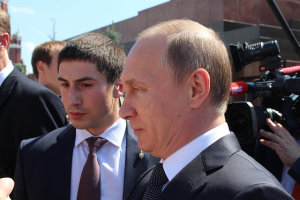
Xi and Putin exchanged congratulatory letters ahead of the visit, highlighting the deepening cooperation between their nations. According to Chinese state media, Xi noted that bilateral ties have continuously solidified, a sentiment echoed in an article by the Global Times, which emphasized the rarity of a country hosting both U.S. and Russian leaders in such close succession. The article suggests that this sequence of visits positions Beijing as a central player in international diplomacy.
Concerns Over Sino-Russian Alliance
The strengthening of China-Russia relations has raised alarms in the West, particularly since Russia's invasion of Ukraine in 2022. Analysts point out that China's economic and diplomatic support for Russia has played a crucial role in sustaining the conflict. Data indicates that since the onset of the invasion, China has imported over $367 billion worth of Russian fossil fuels, significantly bolstering Moscow's revenue during wartime.
Trade Dynamics and Energy Security
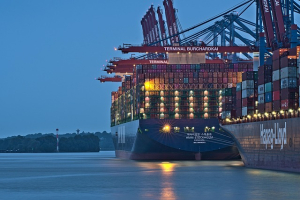
China's increasing imports from Russia have reached record levels, with Chinese purchases accounting for more than one-quarter of Russia's total exports. This energy partnership has not only supported China's energy security but has also become vital amid disruptions in oil shipping through the Strait of Hormuz due to ongoing crises in the Middle East. The financial influx from these energy deals has been critical for Russia as it navigates international sanctions and economic isolation.
U.S.-China Talks Focus Shift
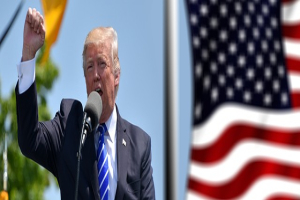
In contrast, Trump's recent discussions with Xi did not heavily address the Ukraine conflict or the Sino-Russian relationship. The primary focus of the U.S.-China talks revolved around trade, Taiwan, and the Middle East, with Trump indicating that China agreed on the importance of reopening the Strait of Hormuz. Xi's warnings regarding Taiwan suggest underlying tensions that could escalate if not managed carefully.
Wrap-up
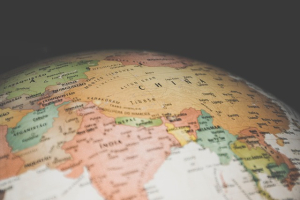
As Xi prepares to host Putin, the implications of this visit extend beyond bilateral relations, reflecting broader geopolitical dynamics. The juxtaposition of these high-profile visits highlights the shifting landscape of international diplomacy, with China increasingly positioned as a key player in global affairs.
Sources
theguardian.com
@hoju-korean.com Editorial Team




















댓글목록0