













Trump's Visit to China
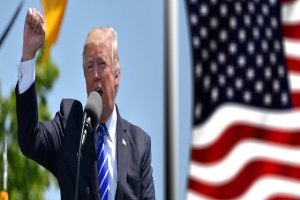
During his two-day summit with Chinese President Xi Jinping, Donald Trump described the meetings as "incredible." He asserted that the two nations made "fantastic trade deals" and resolved several complex issues that had long remained unsolved. Trump emphasized the strength of his relationship with Xi, noting their shared concerns regarding Iran and the importance of keeping the Strait of Hormuz open. The discussions came in the context of escalating tensions in the region, particularly following the seizure of a ship by Iranian forces and an attack on an Indian cargo vessel.
In a notable departure from his typical behavior, Trump refrained from taking questions from the media during his time in China, a gesture interpreted as respect towards Xi, who traditionally avoids press interactions. Observers noted that Trump’s comments on Iran reflected a sense of urgency, as he expressed dissatisfaction with the current situation and called for a resolution.
Immigration Policy in Australia
In Australia, immigration policy is at the forefront of political debate. Opposition leader Anthony Albanese accused Angus Taylor of emulating far-right sentiments by proposing cuts to social benefits for permanent residents. Taylor's plans would restrict access to welfare programs, including the national disability insurance scheme, only to Australian citizens, effectively sidelining long-term residents who contribute to the economy.
Albanese condemned the Coalition's approach, labeling it as "dog-whistling" aimed at marginalizing immigrants. He highlighted the contributions of migrants to Australia, questioning the distinction Taylor attempted to draw between Australians and non-citizens. Taylor defended his stance by arguing that new migrants should not automatically receive welfare benefits, despite the lengthy waiting periods already in place for non-citizens.
Political Implications
The political landscape in Australia is shifting, with Taylor's party facing declining support, particularly after losing ground to the One Nation party in recent elections. Taylor's proposals to link migration intake to housing development and his focus on reducing welfare access for non-citizens have drawn criticism for being overly harsh and politically motivated.
As tensions rise over immigration policies in Australia, the international community watches closely how these domestic issues may influence Australia's global standing and relationships with other nations, including the United States.
Wrap-up
The outcomes of Trump's visit to China and the ongoing immigration debate in Australia reflect broader themes of nationalism and international relations. As leaders navigate complex issues at home and abroad, the implications of their policies could have lasting effects on both domestic and international fronts.
Sources
theguardian.com
@hoju-korean.com Editorial Team
























댓글목록0