













![[Summary News] Global Tensions Rise Amid Middle East Crisis and Economic Ramifications for Europe](https://pixabay.com/get/g8199190d5d1ef85dab41495f19f2992a1d631cdcce73673c88b016912e30000da5c093d9fd0940ff90fe6ea634c40d2f95e16596008675ff6d7be9676a0eba5b_640.jpg)
Middle East Conflict and Military Operations
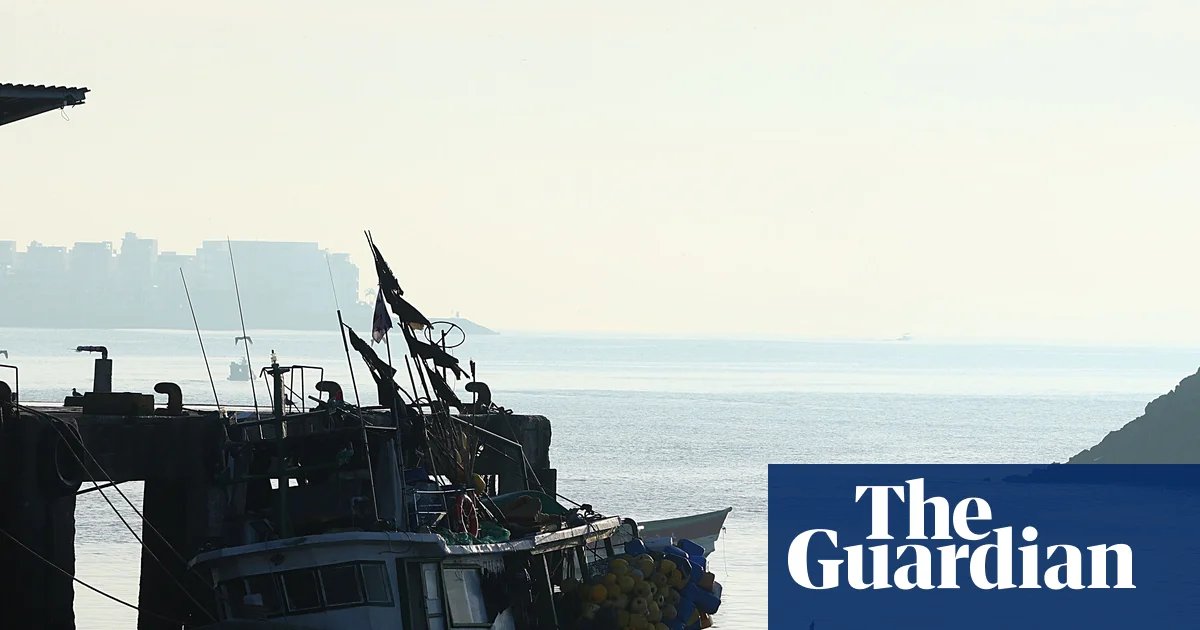
The strait of Hormuz has become a focal point of military activity, with reports of multiple ships being attacked by Iran's Islamic Revolutionary Guard Corps (IRGC). The UK Maritime Trade Operations confirmed that a container ship was fired upon off the coast of Oman, and Iranian media reported the seizure of two vessels, the MSC Francesca and the Epaminondas, for allegedly operating without authorization. The IRGC has declared that maintaining order in the strait is a priority. Concurrently, U.S. President Donald Trump announced an indefinite extension of a ceasefire with Iran at Pakistan's request, aiming to facilitate negotiations amid a backdrop of heightened military readiness.
Economic Impact of the Conflict
The travel industry is feeling the strain of the ongoing conflict, with Tui, Europe’s largest holiday operator, reporting a €40 million loss due to the Iran war. The company had to repatriate nearly 12,000 holidaymakers and has revised its profit forecast downward amid decreased demand for travel to the eastern Mediterranean. Airlines are facing rising fuel costs and potential shortages, prompting calls for government intervention to ease operational constraints. The International Energy Agency has warned of a looming jet fuel crisis, with only weeks of supply remaining if the situation does not stabilize.
Sanctions and Export Controls
In response to the ongoing conflict, the UK government is implementing stricter export controls to prevent goods from reaching Russia through third-party countries. Business Minister Chris Bryant announced plans for a new licensing regime that would require UK firms to obtain permission for exports to nations suspected of facilitating trade with Russia. This move aims to strengthen sanctions and prevent the diversion of goods that could bolster Russia's military capabilities in Ukraine.
Climate Change and Public Health
A recent study has highlighted the impact of climate change on pollen seasons in the UK and mainland Europe, extending them by one to two weeks since the 1990s. This shift has exacerbated health issues for millions suffering from allergies, as increased temperatures and carbon dioxide levels lead to higher pollen production. The report underscores the urgent need for adaptation strategies to mitigate the health risks associated with climate breakdown, including enhanced public health guidance and urban greening initiatives.
Wrap-up
The convergence of military tensions in the Middle East, economic repercussions for Europe, and the ongoing challenges posed by climate change paints a complex picture of global interdependence. As nations navigate these multifaceted crises, the implications for public health, economic stability, and international relations remain profound.
Sources: theguardian.com
@hoju-korean.com Editorial Team

















댓글목록0