












Chimpanzee Civil War in Uganda
In a groundbreaking study published in Science, researchers documented a civil war among the Ngogo chimpanzees in Uganda's Kibale National Park. Primatologist Aaron Sandel observed the initial signs of conflict in June 2015, marking the beginning of a violent split within the largest known group of wild chimpanzees. The group, once cohesive, divided into two factions: the western and central chimps. Over the next seven years, the western group launched 24 coordinated attacks, resulting in the deaths of at least seven adult males and 17 infants. The study suggests that changes in social hierarchies and the death of key individuals contributed to this unprecedented in-group violence, drawing parallels to human civil wars.
U.S. Pressure on Latin America Over Cuban Medical Programs
Cuba's foreign minister, Bruno Rodríguez, accused the United States of "extorting" Latin American nations to sever ties with Cuba's medical programs, which have been a vital source of income for the island since the 1960s. Countries such as Guatemala, Honduras, Jamaica, and Guyana have recently canceled agreements with Cuba, further straining its economy. The U.S. government claims that the program constitutes forced labor, while Cuba defends it as a humanitarian initiative. The Inter-American Commission on Human Rights has also raised concerns about human rights violations within the program, alleging that Cuban doctors are subjected to wage theft and threats of imprisonment.
Instability in the Oil Market and the Strait of Hormuz
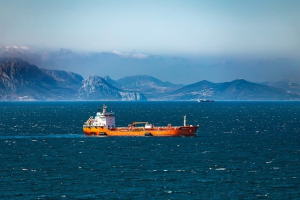
Sultan Al Jaber, CEO of the Abu Dhabi National Oil Company, stated that the Strait of Hormuz remains "not open," despite a recent U.S.-Iran ceasefire agreement. This statement comes as Brent crude prices approach $100 per barrel, reflecting market uncertainty. Al Jaber emphasized the need for unrestricted navigation in the strait, which is vital for global oil transport. Following the ceasefire announcement, concerns arose over the actual implementation of the truce, with reports indicating that few vessels have passed through the strait since. The situation has led to increased oil prices and market volatility, exacerbated by ongoing tensions in the region.
Wrap-up
The intersection of these events—the chimpanzee civil war, U.S. foreign policy pressures on Cuba, and the instability in the oil market—illustrates the complexities of conflict both in nature and international relations. As these situations evolve, they present ongoing challenges for policymakers and conservationists alike.
Sources: theguardian.com
@hoju-korean.com Editorial Team





















댓글목록0