












Cuban Oil Diplomacy
The arrival of the Russian oil tanker, Anatoly Kolodkin, at Cuba’s Matanzas oil terminal on Tuesday marked a significant event amid ongoing diplomatic tensions. The tanker unloaded 700,000 barrels of crude oil, raising questions about the U.S. oil blockade imposed under President Trump. Despite Trump’s earlier declarations to halt oil shipments to Cuba, he recently indicated a willingness to allow oil imports, suggesting a shift in U.S. policy. This development coincided with Cuba's release of 2,010 prisoners, framed as a humanitarian gesture. Observers speculate that these moves may indicate ongoing negotiations between Washington and Havana aimed at improving bilateral relations.
The blockade has severely impacted Cuba's economy, leading to widespread shortages and the closure of most petrol stations. The island's tourism sector has nearly collapsed, exacerbating the humanitarian crisis. With a population of approximately 9.5 million, many Cubans are struggling to cope with deteriorating living conditions. Experts suggest that the recent events may reflect reciprocal gestures of goodwill between the two nations, aimed at fostering dialogue.
Tragedy at Alejandro Villanueva Stadium
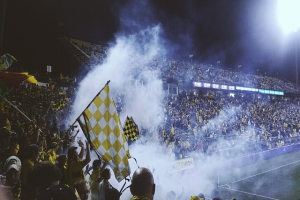
In a separate incident, one person was killed and dozens injured during a flag-waving event at the Alejandro Villanueva Stadium in Lima, Peru, on Friday. The event, held ahead of a derby match between Alianza Lima and Universitario de Deportes, drew hundreds of fans. Initial reports indicated that parts of the stadium's wall might have collapsed, but both the football club and fire officials denied any structural failures. The Peruvian health minister confirmed the death and reported that 47 individuals were injured, with three in critical condition.
Alianza Lima expressed condolences and pledged full cooperation with the investigation into the incident. The Peruvian professional soccer league announced that the scheduled match would proceed as planned, emphasizing its commitment to ensuring safety at sporting events. The stadium, built in the 1970s, has seen limited modernization, raising concerns about its safety standards.
Wrap-up
Both Cuba and Peru are facing significant challenges—Cuba grapples with a humanitarian crisis amid shifting diplomatic relations, while Peru deals with the aftermath of a tragic event that raises questions about public safety at sporting venues. These incidents underscore the complexities of governance and public welfare in the region.
Sources
theguardian.com
theguardian.com
@hoju-korean.com Editorial Team


















댓글목록0