













![[Summary News] Tensions Rise Amid Middle East Conflict and Political Turmoil in Europe](https://pixabay.com/get/gf2bb3688892c46e35b7372e80b935e8c5891ebbe918ea9e867d615400bd7a1611c8141b05cd24b5166e2c85a0dc797e7eb12cfc66fcf15cff2005fee912ff044_640.jpg)
Middle East Conflict Intensifies
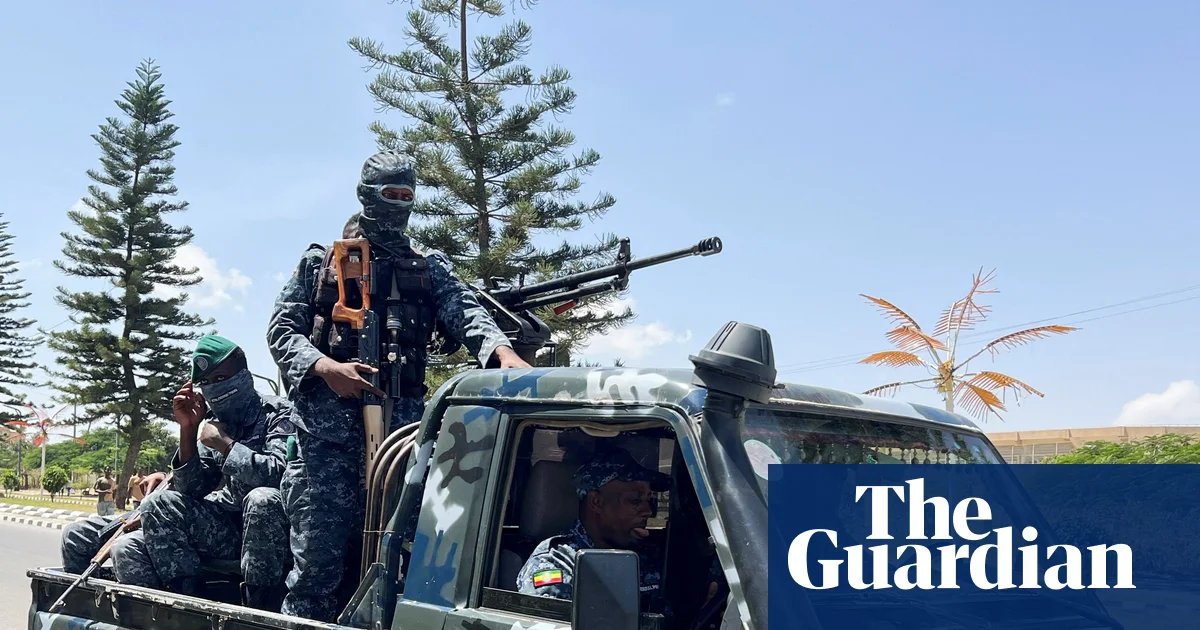
The conflict between Israel and Iran has escalated significantly, with Israel conducting extensive airstrikes across Iran, particularly targeting the central city of Isfahan. The Israeli military claimed these strikes aimed at crippling Iranian infrastructure. Despite these actions, Iranian officials have dismissed US proposals for a ceasefire, asserting that they have no intention of negotiating. Iranian Foreign Minister Abbas Araghchi stated that discussing negotiations would imply defeat. Meanwhile, Donald Trump has claimed that Iran is still interested in reaching a deal, despite Tehran's rejections. The ongoing violence has led to rising oil prices, with Brent crude hovering around $104 a barrel. Casualties from the conflict have been high, with reports indicating over 1,500 deaths in Iran and significant casualties in Lebanon and Israel.
EU Healthcare Workers Oppose Deportation Plans
In Europe, over 1,100 healthcare professionals have urged Members of the European Parliament (MEPs) to reject proposed measures that would increase deportations of undocumented immigrants. They argue that these measures could transform essential public services into tools of immigration enforcement, undermining public health. The proposed regulations, which are set for a vote, would require healthcare workers to report undocumented individuals, creating a climate of fear that could deter people from seeking medical care. Critics warn that this could lead to severe public health consequences across the EU, echoing issues seen in countries like the UK.
Political Turmoil in Italy
In Italy, Tourism Minister Daniela Santanchè has resigned following a tumultuous referendum defeat that has plunged Prime Minister Giorgia Meloni's government into crisis. Santanchè's resignation came after Meloni publicly called for her to step down. This referendum, which sought to reform the judiciary, faced significant backlash, and Santanchè's resignation is part of a broader political fallout that includes the departure of other government officials. Meloni, who is currently in Algeria discussing gas supplies, faces mounting pressure to stabilize her government in light of these political challenges.
Danish Government Formation Talks
In Denmark, acting Prime Minister Mette Frederiksen has been appointed to lead negotiations for forming a new government following a recent election that failed to produce a clear majority. Frederiksen's Social Democrats emerged with the most seats, but coalition-building will require significant concessions to secure the necessary support from other parties. The urgency of forming a government is underscored by the current global instability, with Frederiksen emphasizing the need for swift action.
Archaeological Discovery of d'Artagnan's Skeleton
In an intriguing development, workers repairing a church in Maastricht, Netherlands, may have uncovered the skeleton of the famed 17th-century musketeer d'Artagnan. Archaeologists have expressed optimism that the remains, found beneath the church's altar, belong to the historical figure who inspired Alexandre Dumas's "The Three Musketeers." The discovery includes a musket ball, believed to be the cause of d'Artagnan's death, and a French coin from the time. DNA testing is underway to confirm the identity of the skeleton, which has drawn significant public interest.
Wrap-up
The geopolitical landscape remains fraught with tension as the Middle East conflict continues to inflict heavy casualties and economic repercussions. Concurrently, political instability in Europe highlights the challenges leaders face in navigating both domestic and international pressures. The healthcare sector's response to proposed immigration enforcement measures underscores the critical intersection of health and policy, while the archaeological discovery in Maastricht adds a layer of historical intrigue to current events.
Sources:
theguardian.com
@hoju-korean.com Editorial Team
















댓글목록0