













KASASA ISLAND'S QUIET LIFE
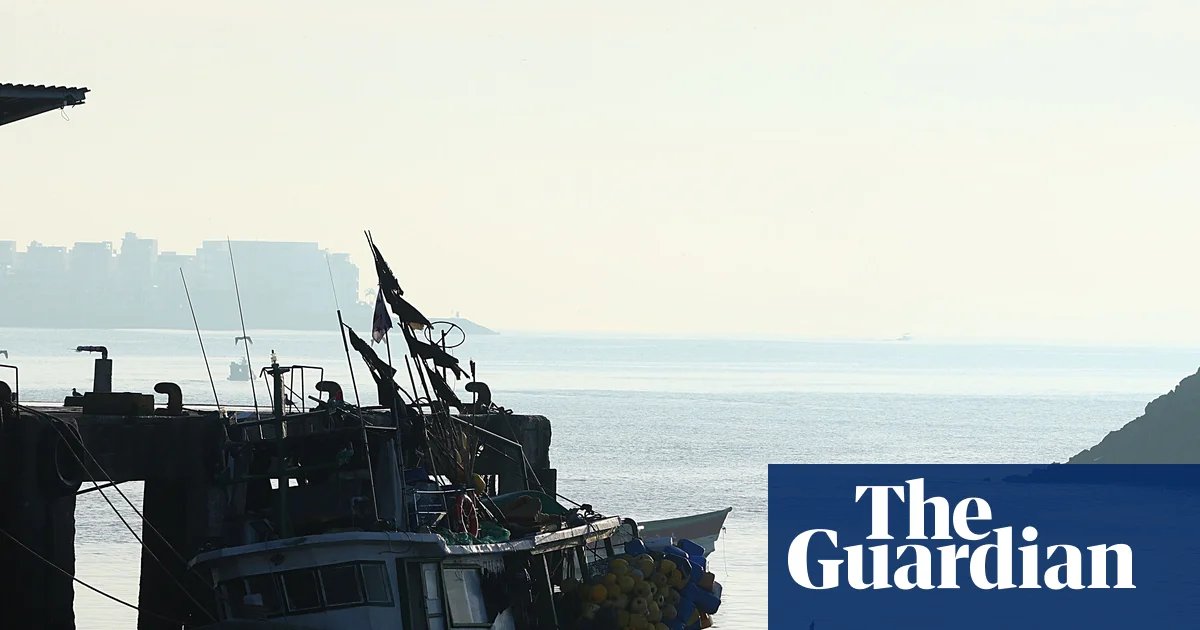
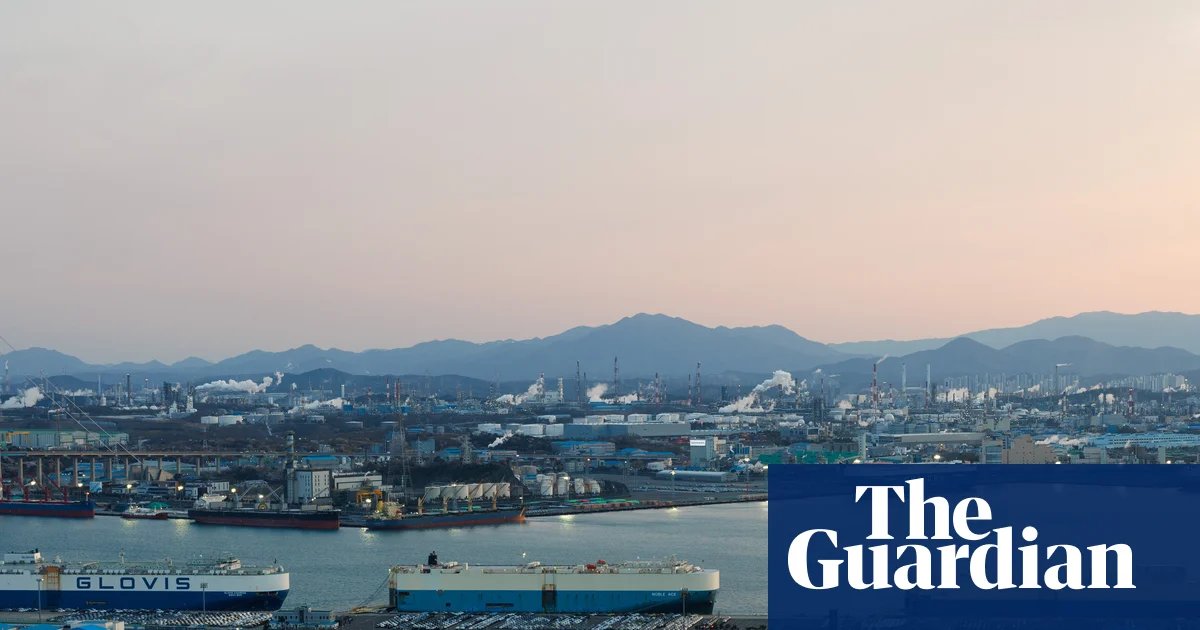
Kasasa Island, often referred to as the "Hawaii" of Japan due to its warm climate and scenic coastline, is home to only seven registered residents, including 80-year-old Hideya Yagi. Yagi, who has lived on the island for 25 years, enjoys a tranquil life focused on fishing. However, the island's idyllic setting has come under scrutiny after reports surfaced that wealthy Chinese investors purchased land for development. Local officials have expressed concerns that such developments could serve as bases for Chinese surveillance, prompting fears that the island might "eventually become a Chinese island."
INCREASED FOREIGN LAND OWNERSHIP
The debate over foreign ownership of land in Japan has intensified, particularly around areas deemed strategically important. According to reports, Chinese investors accounted for nearly half of all land acquisitions near critical military sites in the year leading up to March 2022. While these transactions have been legally sanctioned, they have raised alarms among residents and officials alike, leading to calls for stricter regulations on foreign land ownership.
GOVERNMENT RESPONSE AND PUBLIC UNEASE
In response to rising tensions, Japanese Prime Minister Sanae Takaichi has pledged to tighten regulations governing the sale of land to foreign entities. This announcement aligns with a growing public unease regarding immigration and foreign investments, which some argue contribute to the rise of far-right political sentiments in Japan. Takaichi's comments regarding potential military involvement in a conflict over Taiwan have further strained relations with China, exacerbating existing fears about national security.
CHINA'S REACTION
China has reacted strongly to Japan's heightened military rhetoric, implementing export bans on "dual-use" items to major Japanese companies, which Beijing accuses of supporting Japan's military. This response underscores the deteriorating relationship between the two nations and highlights the complex geopolitical dynamics at play in the region.
WRAP-UP
As tensions escalate over land ownership and national security, the situation on Kasasa Island serves as a microcosm of broader issues affecting Japan's relations with China. The local community's concerns reflect a growing anxiety about foreign influence in sensitive areas, prompting government action and public debate about the future of foreign investments in Japan.
Sources:
theguardian.com
@hoju-korean.com Editorial Team




















댓글목록0