













Incident Details
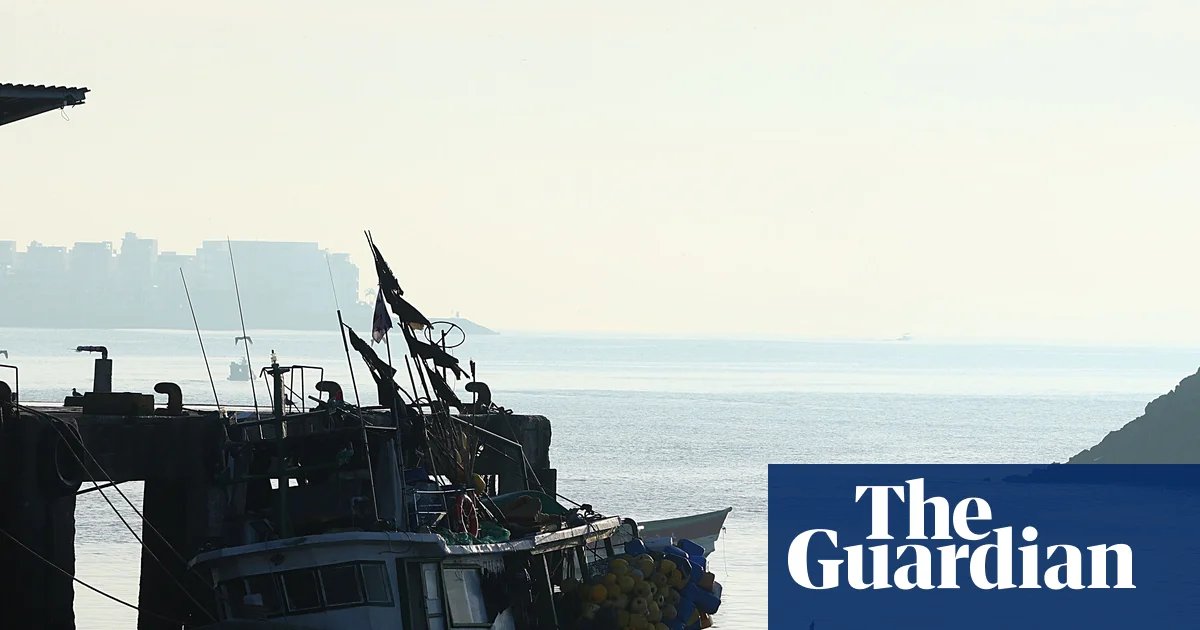
On Wednesday, a speedboat carrying ten armed men engaged in a shootout with Cuban border agents near Cayo Falcones, approximately one mile from Cuba's northern coast. The Cuban government reported that the confrontation resulted in four fatalities and six injuries among the armed men, who were equipped with assault rifles, handguns, homemade explosives, and ballistic vests. They were also found with containers marked with symbols of counter-revolutionary organizations. The incident has drawn parallels to the infamous Bay of Pigs invasion, which sought to overthrow Fidel Castro's regime in 1961.
Community Response
In the wake of the shootout, the Cuban exile community in Miami has expressed a mix of curiosity and bewilderment. Many are grappling with the implications of the incident, which harkens back to a time when such actions were more common. Javi González, a second-generation Cuban-American, questioned the motivations behind the armed group's actions, highlighting a sense of nostalgia for past struggles against the Castro regime. A vigil held in Miami later that week honored the deceased, with tributes praising their commitment to Cuba's freedom.
Identity of the Armed Group
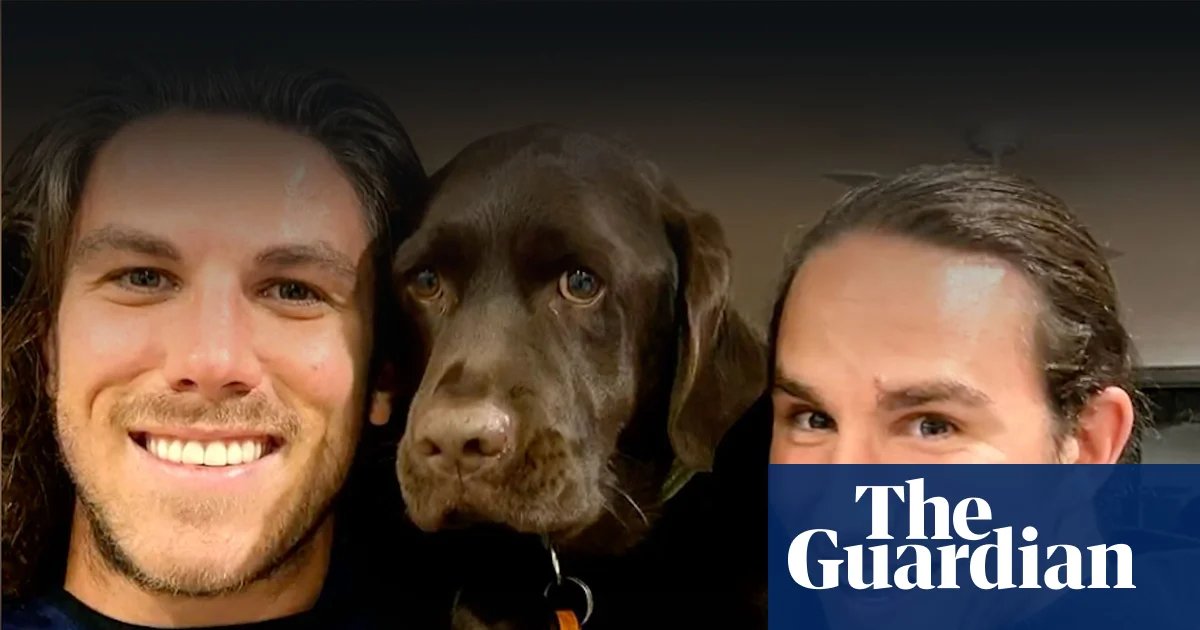
The identities of the men involved in the shootout remain shrouded in mystery. Initial reports indicated that at least two of the individuals were U.S. citizens, with one confirmed dead. Family members of the deceased have been vocal about their loved ones' dedication to the cause of Cuban freedom. Michel Ortega Casanova, one of the deceased, was described by his brother as being consumed by an "obsessive and diabolical" quest for liberation. However, the circumstances that brought the group together and their specific objectives remain unclear.
Political Implications
The shootout has reignited discussions about the ongoing tensions between the U.S. and Cuba, as well as the role of the Cuban-American community in shaping U.S. foreign policy toward the island. José Daniel Ferrer, a prominent Cuban dissident, expressed his admiration for the individuals involved, framing their actions as a fight against what he termed "Castro-communist tyranny." The incident may provoke further debate on the effectiveness and morality of armed resistance in the pursuit of political change.
Wrap-up
As the Cuban exile community processes the implications of the shootout, questions linger about the motivations behind such extreme actions and the potential for renewed conflict. The incident has drawn attention to the ongoing struggles faced by those seeking change in Cuba, as well as the complexities of the relationship between the U.S. and its Cuban population.
Sources
theguardian.com
@hoju-korean.com Editorial Team
















댓글목록0