













Cuban Incident Details
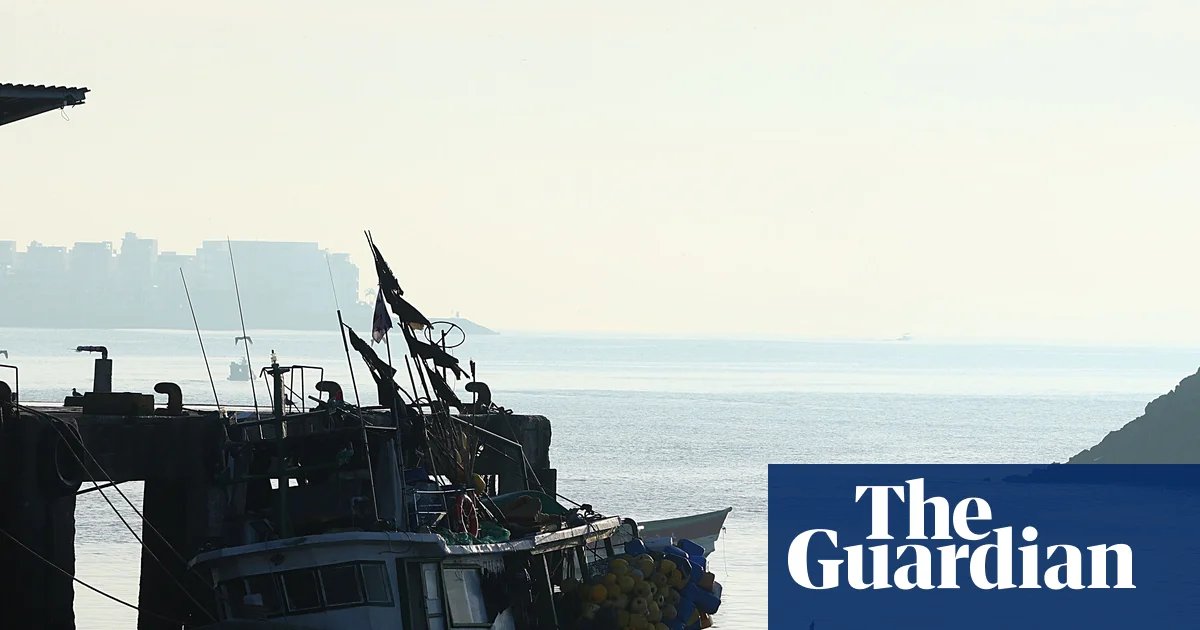
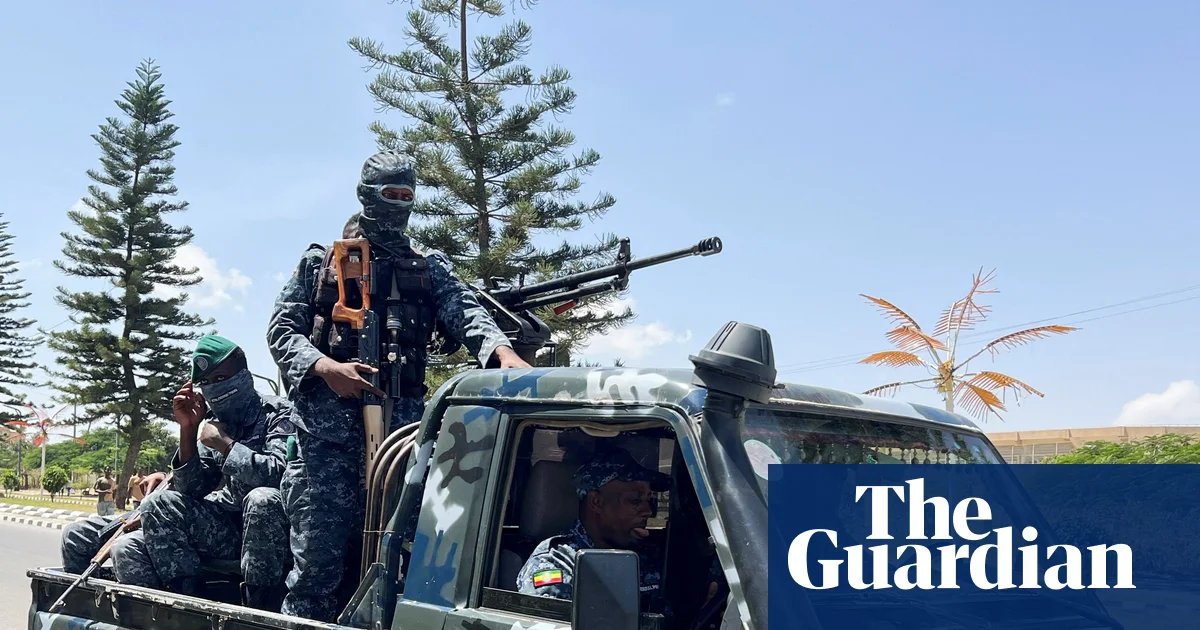
The Cuban interior ministry stated that the clash occurred as border guards responded to gunfire from the speedboat, which was allegedly attempting to transport people out of Cuba. One border guard was reported injured during the exchange. The Cuban government did not disclose the nationality of the deceased or injured individuals, but a US official indicated that the boat was carrying civilians. The incident highlights ongoing tensions between the United States and Cuba, exacerbated by an oil embargo that has led to a humanitarian crisis on the island. US Secretary of State Marco Rubio announced that Washington is conducting its own investigation into the matter, emphasizing the need for accurate information. Florida's attorney general has also initiated an investigation, stating that the Cuban government cannot be trusted.
Historical Context
This incident echoes a tragic event from 30 years ago when the Cuban air force shot down two small planes belonging to Brothers to the Rescue, resulting in the deaths of four individuals. That incident marked a significant deterioration in US-Cuba relations, underscoring the long-standing complexities surrounding migration and territorial sovereignty in the region.
Australia's Emergency Alert Overhaul
In a separate development, Australia is preparing to roll out the AusAlert system, a new $132 million initiative aimed at enhancing public safety during emergencies. This system will replace existing state-based text messaging alerts, which have proven inadequate during high-demand situations. The AusAlert system will send alerts for various emergencies, including bushfires and floods, directly to smartphones in targeted geographic areas. The alerts will appear as home screen messages and will include a loud, intrusive alert tone for the highest-level threats.
Testing and Implementation
A national test of the system is scheduled for July 27, 2026, with expectations that around 23 million smartphones will receive the alerts. The AusAlert system is designed to work with most phones released since 2019 and is expected to be fully operational by October 2026, ahead of the high-risk weather season. Local trials will take place in various regions, including Tasmania, Queensland, and New South Wales, to ensure the system functions effectively across different devices.
Wrap-up
The recent clash between Cuban border guards and a US-registered speedboat highlights the ongoing tensions between the two nations amid a humanitarian crisis in Cuba. Concurrently, Australia's introduction of the AusAlert emergency alert system aims to improve public safety and preparedness in the face of natural disasters. Both incidents reflect significant developments in international relations and public safety measures.
Sources
theguardian.com
@hoju-korean.com Editorial Team





















댓글목록0