













US Health Aid Agreement Criticized
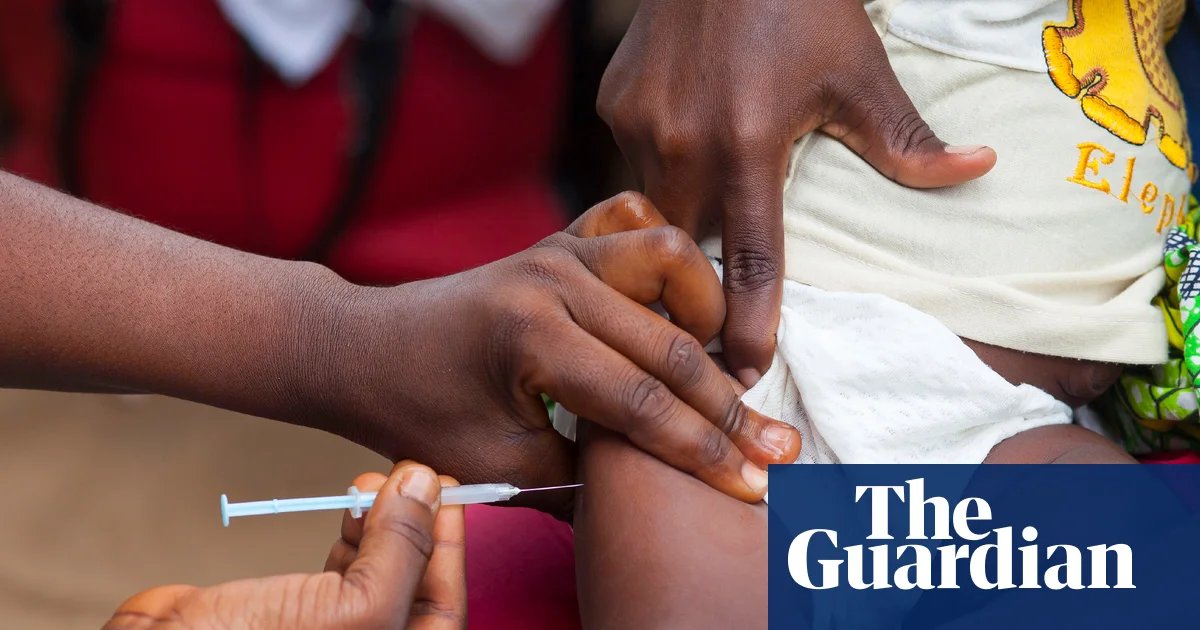
The proposed five-year memorandum of understanding between the US and Zambia, valued at over $1 billion, has drawn accusations of "shameless exploitation." Critics, including advocacy groups, argue that the terms of the deal are significantly worse than similar agreements the US has made with other African nations. A leaked draft reveals that Zambia would be required to grant the US access to its health data for a decade, a stipulation not found in agreements with 16 other countries.
The agreement also ties health financing to Zambia's commitment to hire 40,000 new health workers and contribute an additional $400 million to its health services over five years. If Zambia fails to meet these conditions, the US could withdraw its funding. Advocates warn that this arrangement could jeopardize critical health programs, particularly for those living with HIV in Zambia.
Civil society organizations are urging the Zambian government to amend the agreement, particularly regarding the data-sharing requirements. The deadline for reaching a final agreement is set for April 1, raising concerns about the potential impact on Zambia's health system.
Conviction of Brazilian Politicians in Murder Case
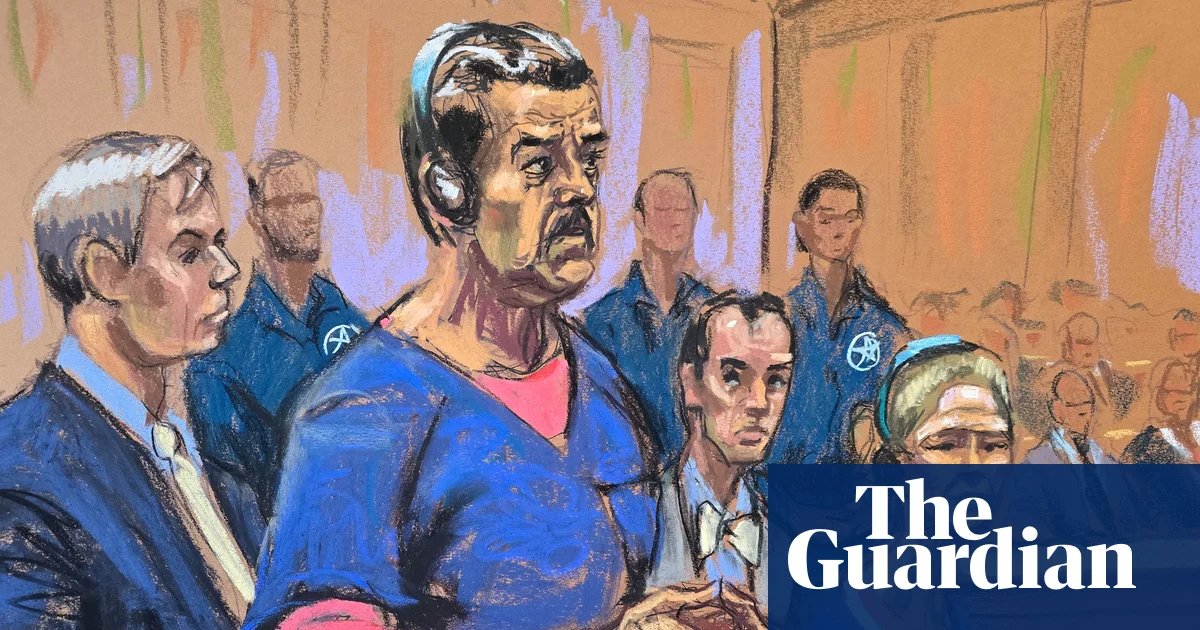
In a separate case, two influential Brazilian politicians, João Francisco Inácio Brazão and Domingos Inácio Brazão, have been convicted for ordering the murder of Marielle Franco, a city councillor in Rio de Janeiro, nearly eight years ago. The Brazilian Supreme Court sentenced the brothers to 76 years and three months in prison for their roles in the killings of Franco and her driver, Anderson Gomes.
Franco, a vocal critic of police violence and corruption, was a rising political figure and her murder drew international condemnation. The court's unanimous decision comes after a lengthy investigation characterized by evidence destruction and attempts to obstruct justice. Franco's sister, Anielle Franco, expressed relief at the verdict, stating it marks a significant step toward justice for political violence in Brazil.
The case underscores the deep connections between politics and crime in Rio de Janeiro, raising alarms about the integrity of public institutions. The investigation revealed systemic issues within law enforcement, including the involvement of police officials in obstructing justice.
Wrap-up
The contrasting situations in Zambia and Brazil reflect broader global challenges related to governance, human rights, and the accountability of political leaders. As Zambia navigates the implications of its health aid agreement with the US, Brazil takes a crucial step in addressing political violence through the convictions of the Brazão brothers.
Sources
theguardian.com
theguardian.com
@hoju-korean.com Editorial Team

















댓글목록0