













Military Deployment in Japan
Japan's Defence Minister Shinjiro Koizumi confirmed that the country will station missiles on Yonaguni, which is located approximately 100 kilometers from Taiwan. This announcement follows a diplomatic standoff with China, exacerbated by Prime Minister Sanae Takaichi's comments suggesting that Japan's Self-Defense Forces might intervene if Taiwan were attacked. The deployment is part of Japan's broader strategy to enhance its military capabilities in response to increasing Chinese activity in the East China Sea. Local residents have expressed concerns about the island becoming a military stronghold, with many fearing potential conflict.
South Korea's Rising Birthrate
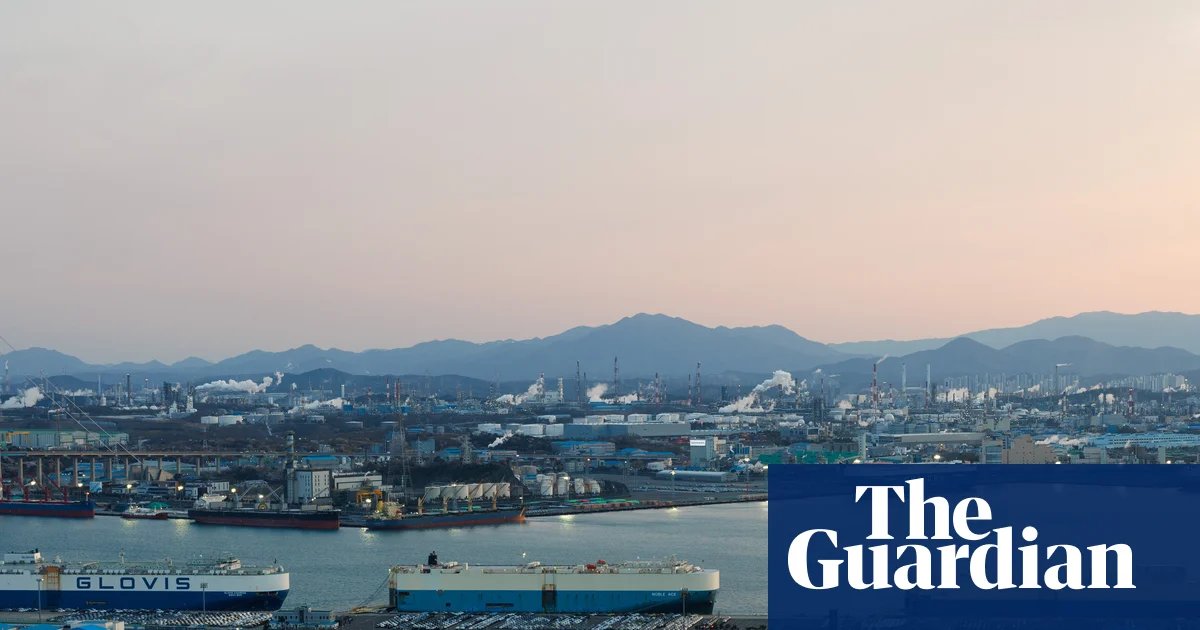
In South Korea, provisional figures indicate that the country recorded 254,500 births in 2025, marking the largest annual increase in 15 years. The fertility rate rose to 0.80, reflecting a demographic phenomenon known as the "echo boomer" effect, where individuals born during a baby boom in the early 1990s are now in their thirties. This increase is also linked to a recovery in marriage rates following delays caused by the COVID-19 pandemic. Despite the rise in births, South Korea's population continues to decline due to a higher number of deaths than births, and experts warn that this trend may not be sustainable in the long term.
Inflation Pressures in Australia
The Reserve Bank of Australia is considering raising interest rates as inflation remains stubbornly high at 3.8% as of January 2026. The surge in inflation has been driven by a significant increase in electricity costs following the end of government subsidies. Essential items such as rents and medical services have also seen price hikes, contributing to ongoing financial pressures on households. Economists warn that without significant economic reforms in the upcoming federal budget, inflation may persist, leading to further interest rate adjustments.
Wrap-up
Japan's missile deployment near Taiwan signifies a strategic shift amid rising regional tensions with China. In South Korea, demographic changes are contributing to a slight rebound in birthrates, although the overall population continues to decline. Meanwhile, Australia faces economic challenges with persistent inflation, prompting potential interest rate hikes as the government prepares for its budgetary response.
Sources
theguardian.com
@hoju-korean.com Editorial Team
























댓글목록0