













Caribbean Leaders Address US Policies
During the Caricom summit in St Kitts and Nevis, leaders from 15 Caribbean nations condemned recent US interventions, including military strikes against suspected drug traffickers and the oil blockade on Cuba. Jamaican Prime Minister Andrew Holness emphasized the need for constructive dialogue between the US and Cuba, citing the severe economic hardships faced by Cubans, which could lead to broader regional instability. Holness noted that the humanitarian crisis in Cuba could affect migration and security throughout the Caribbean.
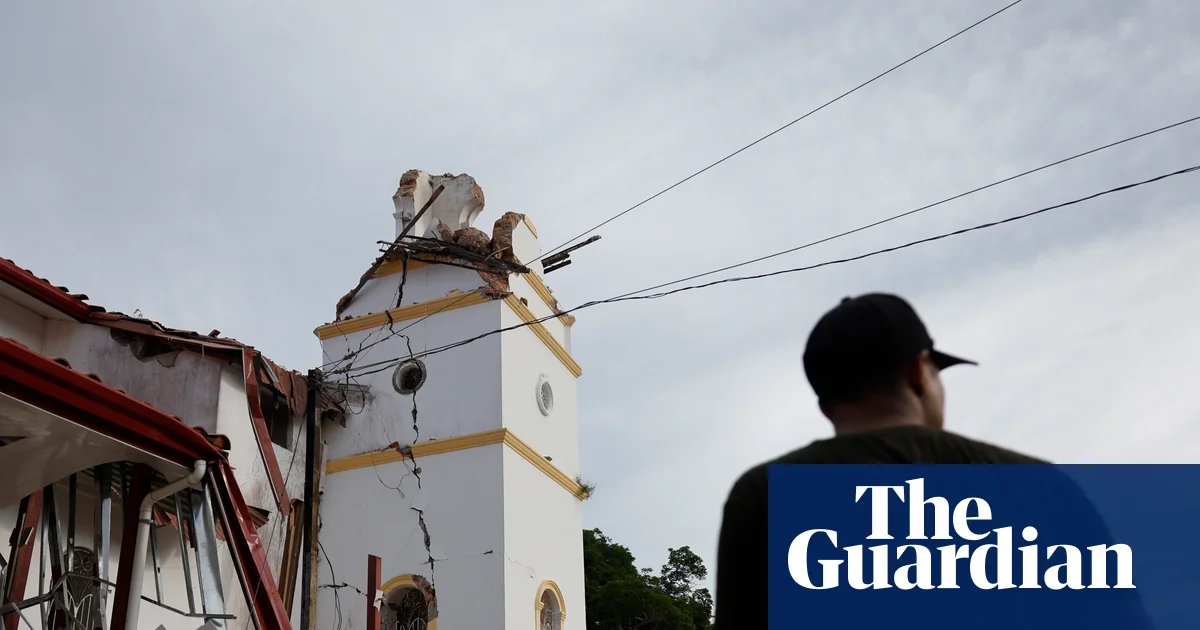
Cuba's UN resident coordinator, Francisco Pichón, reported that the US oil embargo has hindered aid efforts following Hurricane Melissa, which struck Cuba in late October. The blockade has exacerbated energy shortages and limited logistical support for recovery efforts. Incoming Caricom chair, Terrance Drew, echoed calls for humanitarian assistance, sharing personal accounts of the struggles faced by Cubans, including food scarcity and lack of basic services.
New Zealand's Environment Ministry Under Threat
In New Zealand, the government has proposed merging its dedicated environment ministry into a larger "mega-ministry" that would encompass housing, transport, and urban development. Critics argue that this move could weaken environmental protections that have been in place since the ministry's establishment in 1986. Minister Chris Bishop defended the proposal, claiming it would reduce bureaucratic fragmentation and improve coordination among government departments.
However, experts warn that the abolition of the environment ministry could lead to a decline in accountability and effective policy delivery. Political science professor Dr. Bronwyn Hayward expressed concern that the merger might dilute the focus on environmental issues at a time when biodiversity is in crisis, with many species facing extinction in New Zealand.
The right-wing coalition government has already faced backlash for its environmental policies, including plans to restart offshore oil drilling and cut funding for conservation initiatives. Opposition spokesperson Rachel Brooking criticized the proposed ministry abolition as emblematic of a broader disregard for environmental protection.
Wrap-up
The calls for dialogue in the Caribbean amid the US oil embargo and the backlash against New Zealand's environmental policy changes reflect ongoing tensions between governmental actions and the pressing need for humanitarian and environmental considerations. Both regions face challenges that require careful navigation to avoid exacerbating existing crises.
Sources
theguardian.com
@hoju-korean.com Editorial Team
















댓글목록0