













Background of the Case
Marielle Franco, an outspoken critic of the powerful militia groups in Rio, was killed at the age of 38 along with her driver, Anderson Gomes, in a drive-by shooting in the city center. The murder has been linked to Franco’s opposition to plans that would have legalized land illegally seized by these militias, which exert considerable control over large areas of the city. Her assassination sparked widespread outrage and demands for accountability.
Accused Politicians on Trial
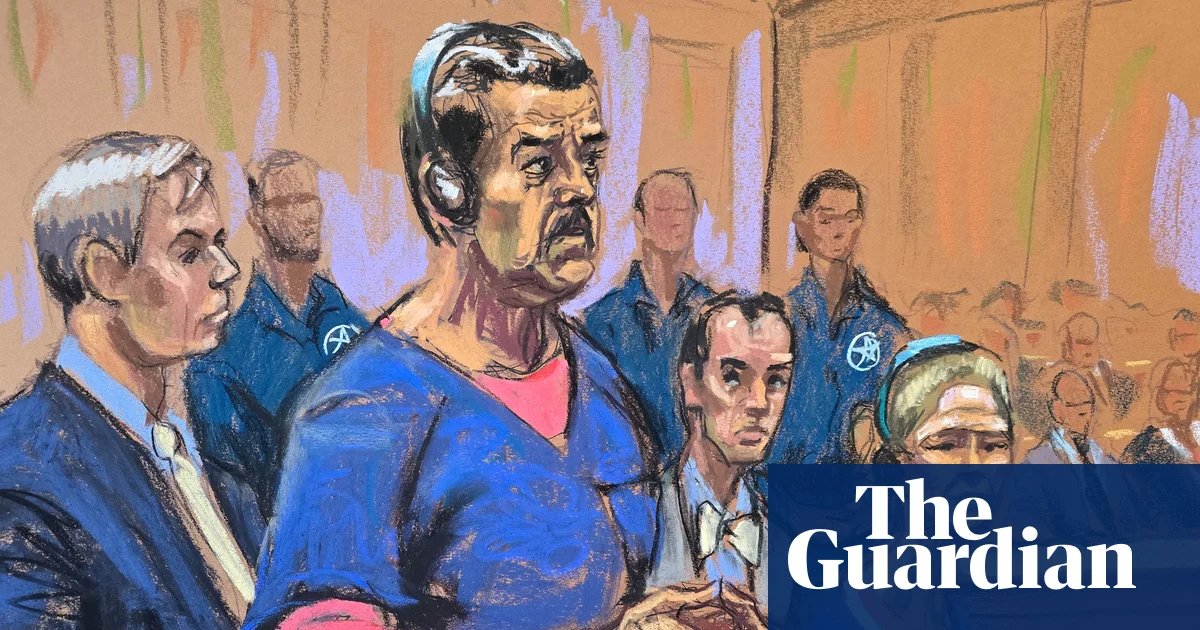
The trial involves former federal lawmaker Chiquinho Brazão and his brother, Domingos, a former state lawmaker, who are accused of orchestrating the assassination. The prosecution asserts that the Brazão brothers had a vested interest in silencing Franco due to her activism against the militia's illegal activities. Both men deny the allegations and have contested a plea deal made with Ronnie Lessa, a former military police officer who confessed to carrying out the murder and was sentenced to 78 years in prison in 2024.
Family and Public Reaction
Anielle Franco, Marielle's sister and Brazil's minister of racial equality, attended the trial's opening, emphasizing the need for justice. She described the murder of a parliamentarian as unacceptable and called for those responsible to be held accountable. Franco’s widow, Monica Benicio, also expressed her concerns about the ongoing criminal networks that continue to thrive in Rio, stating that the ecosystem that led to Marielle's death remains active.
The Role of Organized Crime
Rio's militias, which originated as self-defense groups four decades ago, have transformed into powerful criminal organizations that extort residents and control public land. The trial has also brought to light the complicity of certain law enforcement officials, with former police commissioner Rivaldo Barbosa facing charges for allegedly ensuring the impunity of those who ordered the killings.
Judicial Oversight
Justice Alexandre de Moraes, who presides over the trial, is known for his previous rulings against high-profile political figures, including former president Jair Bolsonaro. Moraes has indicated that the prosecution's case is supported by multiple pieces of evidence beyond Lessa's confession, suggesting a robust legal approach to this high-stakes trial.
Wrap-up
As the trial progresses, it symbolizes a critical moment in Brazil's ongoing struggle against corruption and organized crime within its political system. The outcome may have significant implications for public trust in the judiciary and the fight for justice in cases of political violence.
Sources
theguardian.com
@hoju-korean.com Editorial Team
















댓글목록0