













Brazil's Supreme Court Trial
The Supreme Court of Brazil has commenced the trial of former politicians implicated in the 2018 assassination of Marielle Franco, a prominent councilwoman and activist. Franco, a vocal opponent of organized crime in Rio de Janeiro, was killed alongside her driver in a brazen attack that highlighted the pervasive corruption and ties between political figures and criminal organizations. The prosecution is targeting Chiquinho Brazão, a former federal lawmaker, and his brother Domingos, who are accused of orchestrating the murder in retaliation for Franco's opposition to land legalization plans benefiting militia groups. Anielle Franco, Marielle's sister and Brazil's Minister of Racial Equality, attended the trial, emphasizing the need for justice.
Violence in Mexico Following Cartel Leader's Death
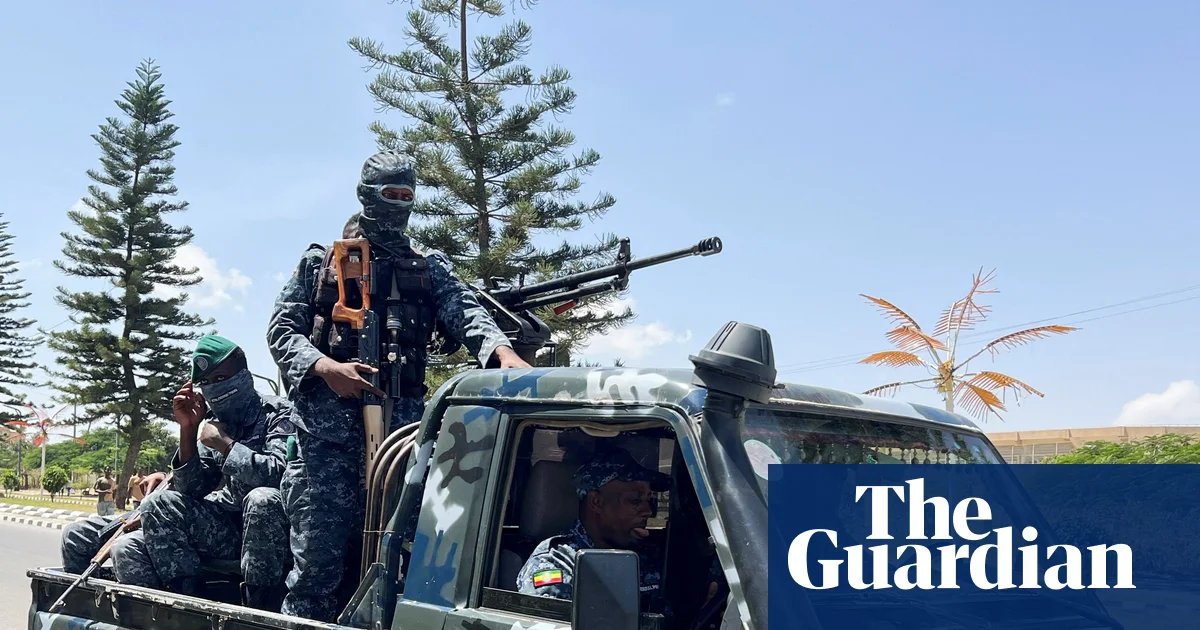
In Mexico, President Claudia Sheinbaum assured the public of safety for attendees of the upcoming FIFA World Cup, despite a surge of violence following the death of cartel leader Nemesio Rubén Oseguera Cervantes, known as "El Mencho." His death during a military operation sparked retaliatory attacks, including roadblocks and assaults on security forces, resulting in numerous fatalities. Sheinbaum stated that the situation is stabilizing and that the World Cup will proceed as planned, with ongoing monitoring from FIFA.
Royal Artillery Under Fire for Treasure Controversy
The Royal Artillery is facing backlash for denying public access to a significant artefact looted from the Asante people in Ghana during the 19th century. The golden ram's head, a symbol of Asante heritage, remains stored in a private collection at the regiment's mess in Wiltshire. Critics argue that the refusal to display such historical objects perpetuates colonial injustices. Ivor Agyeman-Duah, a historian representing the Asante king, expressed a desire to negotiate the return of the piece, emphasizing its cultural significance.
Australia's Shift on Repatriation of Citizens
In Australia, Prime Minister Anthony Albanese's government has shifted its position on the repatriation of women and children detained in Syrian camps. Initially advocating for compassion, Albanese has publicly expressed contempt for those who traveled to Syria, stating that they must face the consequences of their choices. This stark change in rhetoric reflects a broader political strategy to distance the government from the issue, with officials asserting that they will not facilitate the return of these individuals.
Wrap-up
These unfolding events highlight a complex interplay of justice, safety, and historical accountability across different nations. As Brazil seeks to address political violence, Mexico reassures World Cup visitors amid cartel-related unrest, the Royal Artillery grapples with colonial legacies, and Australia navigates the moral implications of repatriation, the global community remains watchful.
Sources
theguardian.com
@hoju-korean.com Editorial Team





















댓글목록0