












Bondi Beach Terror Attack and Community Response
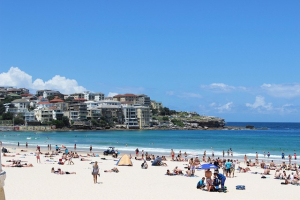
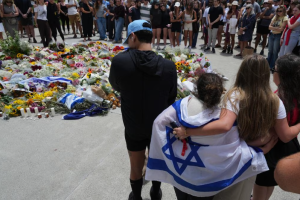
On a national day of reflection, thousands gathered at Bondi Beach to honor the victims of last week's mass shooting during a Hanukah celebration. The attack, which is being treated as an act of terrorism targeting the Jewish community, marked Australia's deadliest mass shooting in nearly three decades. Attendees laid flowers and participated in a paddle-out tribute, demonstrating solidarity with the victims, survivors, and first responders. The Prime Minister, Anthony Albanese, faced criticism for his refusal to initiate a royal commission into the incident, emphasizing the need for swift action rather than prolonged investigations.
The investigation into the attack continues, with the Australian Federal Police confirming that the surviving alleged shooter has been charged with 59 offenses. The police are executing further search warrants to gather more information about the attackers and their connections, both domestically and internationally. The incident has reignited discussions about gun control in Australia, with New South Wales Premier Chris Minns pledging to review firearm laws following revelations that one of the attackers possessed a license and multiple weapons.
Protest Restrictions Extended in Sydney
In response to ongoing safety concerns following the Bondi attack, the New South Wales police commissioner has extended restrictions on public protests in Sydney for an additional 14 days. The decision aims to mitigate risks of further incidents, although the commissioner clarified that it is not intended to suppress free speech. Activist groups have vowed to challenge the legality of these restrictions in court, asserting that the measures infringe on their rights to assemble and protest.
Study Links Domestic Violence to Cognitive Impairments
A groundbreaking study from Monash University has revealed that survivors of intimate partner violence who have experienced strangulation or repeated head impacts are at a higher risk of long-term cognitive issues, including memory loss and behavioral changes. This research underscores the urgent need for increased awareness and support for victims of domestic violence, highlighting the often-overlooked neurological consequences of such trauma.
Rare Pink Platypus Spotted in Gippsland
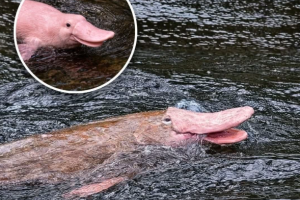
In a lighter note, a rare pink platypus was spotted in Gippsland, Australia, drawing attention from wildlife enthusiasts. The animal, nicknamed "Pinky," was filmed by a local angler during a fishing trip. Biologists have stated that while the platypus's color is unusual, it does not qualify as albino. This sighting adds to the diverse and unique wildlife of Australia, reminding the public of the importance of conservation efforts.
Wrap-up
Australia is currently navigating a complex landscape marked by tragedy and resilience in the wake of the Bondi Beach terror attack, alongside significant discussions surrounding domestic violence and community safety. The extension of protest restrictions raises questions about civil liberties, while the discovery of a rare platypus offers a glimpse of hope amidst the challenges.
Sources: theguardian.com
@hoju-korean.com Editorial Team




















댓글목록0