













Indigenous Education Milestone Achieved
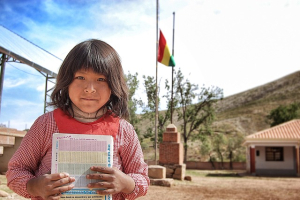
The enrolment of First Nations children in early childhood education has reached 95%, marking a key achievement in the Closing the Gap initiative. Minister McCarthy emphasized the importance of this milestone, attributing it to the efforts of Aboriginal and community-controlled sectors. However, she acknowledged ongoing challenges related to other targets, particularly concerning high incarceration rates among Indigenous populations. The minister called for increased efforts to address these justice issues.
Renewable Energy Support Faces Challenges
Despite a growing enthusiasm for renewable energy solutions like solar panels, recent surveys indicate that organized campaigns against wind energy are undermining public support for the green transition. These anti-wind campaigns have been described as "extremely effective" in swaying public opinion. However, interest in electric vehicles is on the rise, spurred by recent geopolitical tensions, highlighting a complex landscape for Australia's energy future.
Political Landscape Shifts with Independent Candidates
Hannah Ferguson has announced her candidacy as an independent in the Grayndler seat, currently held by Prime Minister Anthony Albanese. Ferguson aims to challenge the existing political system and address issues she believes have been neglected. Her announcement has garnered a largely positive response, although it has also attracted criticism, particularly regarding her motivations. Ferguson's campaign reflects a growing trend of independent candidates seeking to disrupt traditional party politics.
Economic Indicators Suggest Rate Stability
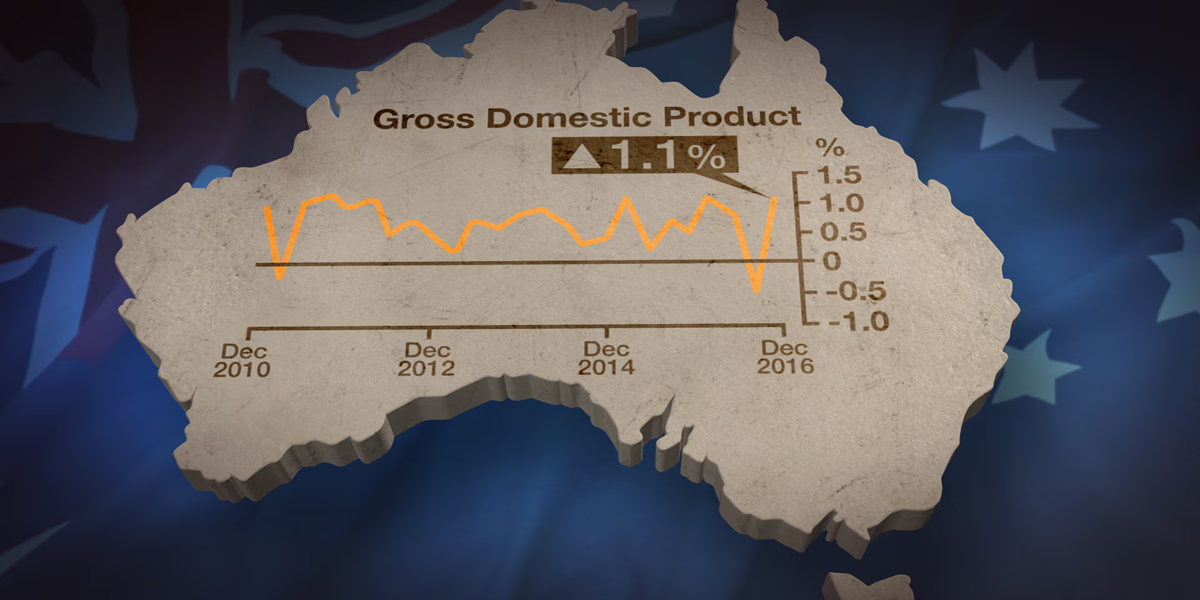
Recent inflation figures have led to a decreased likelihood of the Reserve Bank of Australia raising interest rates in the near future. The June inflation rate of 3.8% has shifted expectations, with analysts now suggesting that any rate increase may not occur until early next year. Observers note that economic conditions are often met with a mix of concern and relief, as higher inflation typically prompts discussions about rate adjustments.
Fractures Within Political Parties
The recent podcast featuring Pauline Hanson and far-right activist Tommy Robinson has raised questions about potential fractures within the One Nation party. Analysts are examining how this collaboration might affect Hanson's leadership and the party's stance on international issues, especially with upcoming elections in Victoria. The meeting between Hanson and Robinson has sparked significant debate regarding the implications for the party's future.
Wrap-up
Australia is currently navigating significant milestones and challenges across various sectors, including education, renewable energy, and political representation. The achievements in Indigenous education highlight progress, while the political landscape is shifting with independent candidates gaining traction. Economic indicators provide a moment of stability, but underlying tensions within political parties suggest that the road ahead may be tumultuous.
Sources
theguardian.com
@hoju-korean.com Editorial Team





















댓글목록0