













Climate Change and Mining Subsidies
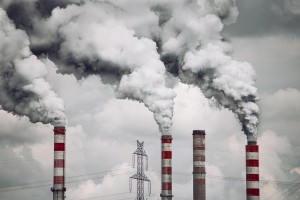
Australia's largest mining company, BHP, is facing backlash for its substantial fossil fuel subsidies, which amount to approximately $4 billion annually. Critics argue that such financial support undermines efforts to combat climate change and achieve national climate targets. An internal memo revealed that BHP has delayed and canceled commitments to address the climate crisis, contributing to increased greenhouse gas emissions. Environmental advocates are calling for the company to take responsibility and invest in sustainable solutions that could mitigate its environmental impact.
Immigration and the Return of Syrian Families
In a separate matter, Independent MP Monique Ryan has emphasized the need for sensitivity in handling the return of women and children from a Syrian camp. These individuals arrived in Australia recently, and Ryan advocates for a compassionate approach, especially for the children who have grown up in a challenging environment. She stresses that aggressive media scrutiny should be avoided to ensure a gentle transition for these vulnerable newcomers.
National Anti-Corruption Commission Leadership Crisis
The resignation of Paul Brereton, the inaugural commissioner of the National Anti-Corruption Commission (NACC), has raised questions about the agency's future and its perceived independence. Critics suggest that the process for appointing a new commissioner must be transparent to restore public confidence. The NACC has faced criticism since its inception, and the need for a leader who can courageously address uncomfortable truths is paramount for the agency's credibility.
Political Discourse on Immigration and Housing
In the political arena, opposition leader Angus Taylor has proposed reducing immigration numbers as a solution to the housing crisis. This stance has sparked debate among political commentators, including Barrie Cassidy and Tony Barry, who discussed the implications of such a policy during their recent podcast. The conversation also touched on Pauline Hanson's upcoming energy policy, highlighting the diverse perspectives within Australian politics regarding immigration and resource management.
Wrap-up
The Australian government is navigating a complex landscape of climate policy, immigration, and governance integrity. As debates continue over mining subsidies and the treatment of returning families, the effectiveness of the NACC and the political discourse surrounding immigration remain critical issues for the nation.
Sources
theguardian.com
@hoju-korean.com Editorial Team
























댓글목록0