













![[Summary News] BHP's Climate Commitment Under Scrutiny Amid Internal Documents Leak](https://pixabay.com/get/ge4a01ec3991772cea0d8d1bfd57046733dda15363f83ffe6b73a8e3c43c3abf93c58ede38063fe1320325f1d8d9624628d48e12485bf2ecc6843fd1e47d8e69c_640.jpg)
BHP's Climate Backtrack
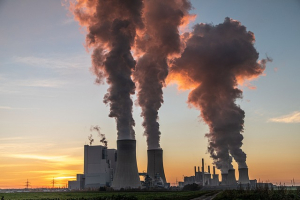
Internal memos from BHP show a stark reversal in the company’s approach to climate change, which it once described as an "existential" threat. The leaked documents reveal that BHP has scrapped plans for an iron ore processing facility in the Pilbara region that had the potential to drastically reduce emissions. The Jimblebar processing facility was projected to enhance the quality of iron ore while aligning with the company’s climate strategy. However, BHP has decided to delay this project indefinitely, citing technological limitations and a lack of readiness for the necessary equipment.
Financial Decisions Contradict Climate Goals
Despite the internal recognition of the importance of reducing emissions, BHP has continued to invest heavily in diesel-powered trucks, a move that contradicts its stated decarbonisation objectives. The company remains the largest consumer of diesel in Australia, with its truck fleet being the primary source of its diesel emissions. Experts have criticized this decision, suggesting that BHP is overly reliant on federal fuel tax credits rather than pursuing sustainable alternatives.
Implications for Australia’s Climate Targets
The revelations about BHP's backtracking on climate commitments have broader implications for Australia's climate goals. The additional emissions from delayed projects will contribute to the ongoing challenges in meeting national targets. Environmental advocates argue that BHP, as a major player in the mining industry, has a responsibility to lead by example and invest in sustainable practices that could significantly mitigate climate change impacts.
Government's Role Under Scrutiny
The Australian government has also come under fire for its handling of transparency regarding climate action. Critics have pointed out that the government’s recent actions, including blocking freedom of information requests, undermine its promises of transparency. This lack of openness raises questions about the extent to which governmental policies are facilitating or hindering corporate accountability regarding climate commitments.
Looking Ahead: Climate Scientists and Policy Discussions
As BHP grapples with its internal challenges, the scientific community is also facing its own issues. Recent discussions have emerged regarding the potential sacking of climate scientists at the CSIRO, raising concerns about the future of climate research in Australia. Additionally, political debates are ongoing, with leaders discussing strategies to address the housing crisis and energy policies, which may intersect with climate action initiatives.
Wrap-up
BHP's recent decisions to delay climate action projects and continue investing in polluting technologies have sparked significant backlash from environmentalists and raised concerns about Australia's ability to meet its climate targets. The leaked documents serve as a critical reminder of the need for corporate accountability and transparent governance in addressing climate change. As the political landscape evolves, the interplay between mining, government policies, and environmental responsibilities remains a vital issue for Australia’s future.
Sources: theguardian.com
@hoju-korean.com Editorial Team






















댓글목록0