













Gas Export Tax Proposal
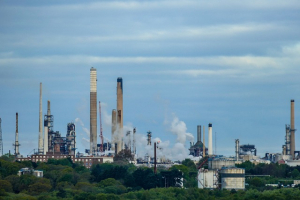
Independent MP Allegra Spender has proposed a 25% tax on gas exports, arguing that it would address inequities in the current taxation system. Spender claims that Australia, as a major energy exporter, should ensure that its citizens benefit more from the resources extracted and sold abroad. She emphasized the need for a fairer share of revenue from the gas industry, which has been highly profitable yet has contributed minimally to the nation's financial well-being. Spender's advocacy comes amid broader discussions regarding potential reforms to the National Disability Insurance Scheme (NDIS), which she believes should not detract from the importance of fair taxation.
Voluntary Assisted Dying on the Rise
The recent passing of broadcaster James Valentine has brought attention to the increasing number of Australians choosing voluntary assisted dying (VAD). Despite the rise in applications, significant barriers remain, including restrictions on telehealth consultations during the process. Valentine's family highlighted his choice to pursue VAD on his own terms, underscoring the personal nature of such decisions. The conversation around VAD continues to evolve, with advocates pushing for greater accessibility and fewer obstacles for those considering this option.
Court Ruling Against Anti-Protest Law
In a landmark decision, the New South Wales Supreme Court has struck down the Public Assembly Restriction Declaration (PARD) law, which was enacted following the Bondi terror attack. The Palestine Action Group, which challenged the legislation, celebrated the ruling as a victory for the right to protest. The court found the law constitutionally invalid, thereby removing the risks of arrest for demonstrators and reaffirming the importance of public assembly in a democratic society.
Impact of Global Events on Agriculture
The ongoing conflict in the Middle East is beginning to affect Australian farmers, particularly regarding the cost and availability of fertilizers. Rising fuel prices and potential shortages are forcing farmers to reconsider their crop planting decisions for the upcoming season. As they face tough choices, the economic implications of these global events are becoming increasingly apparent.
Wrap-up
Australia is at a crossroads, with critical discussions surrounding taxation, healthcare options, and civil liberties shaping its future. The government's response to these issues will be crucial in determining the direction of public policy and societal norms in the coming years.
Sources
theguardian.com
@hoju-korean.com Editorial Team


















댓글목록0