













![[Summary News] Australia Faces Political and Environmental Challenges Amid International Tensions](https://pixabay.com/get/g1691da1d90d4c2096f377460f6554c468a9a57db0b7b48671495ac12aaef485763a740cdc00e99e7e66705b41318ea29b2dc9837c8340a366a75ab1a363735bd_640.jpg)
Military Support and International Relations
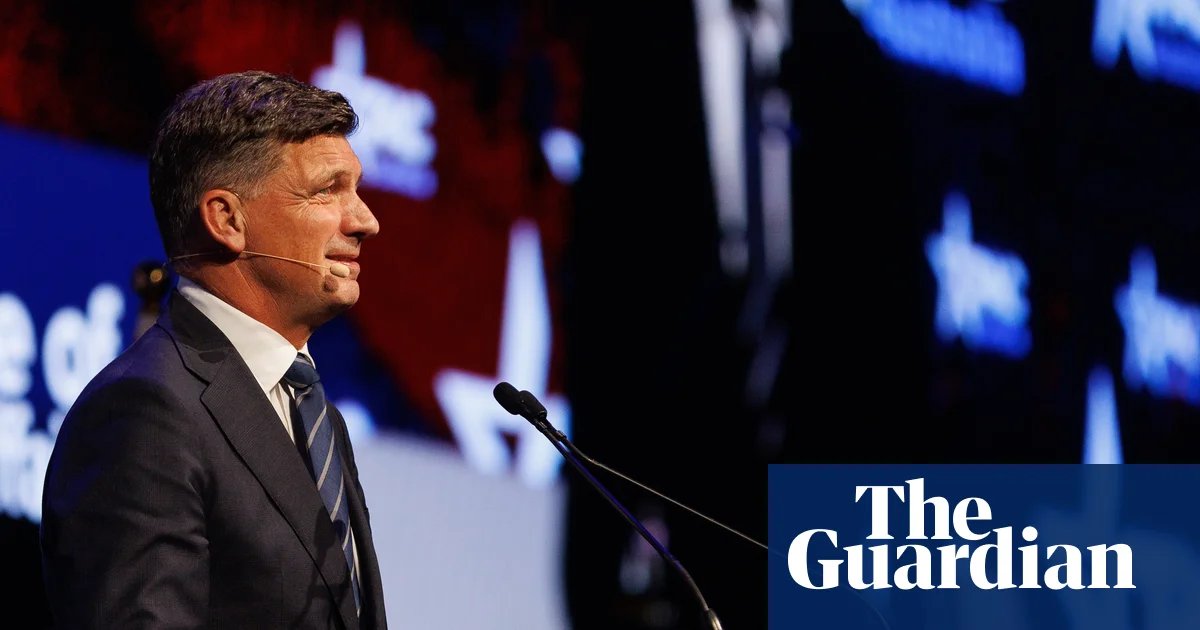
The Australian Greens have raised alarms about the possibility of the government sending military support to Gulf countries, warning that such actions could entangle Australia in the ongoing Iran war. The national security committee met to discuss requests for assistance in light of recent missile attacks linked to U.S. and Israeli operations against Iran. Greens senator David Shoebridge emphasized that military involvement would serve to further U.S. interests rather than Australia's, potentially leading to a legal entanglement in the conflict. Critics argue that Australia's passive acceptance of U.S. military actions undermines its sovereignty and risks deepening its involvement in a conflict with no clear objectives.
Concerns Over Climate Policy
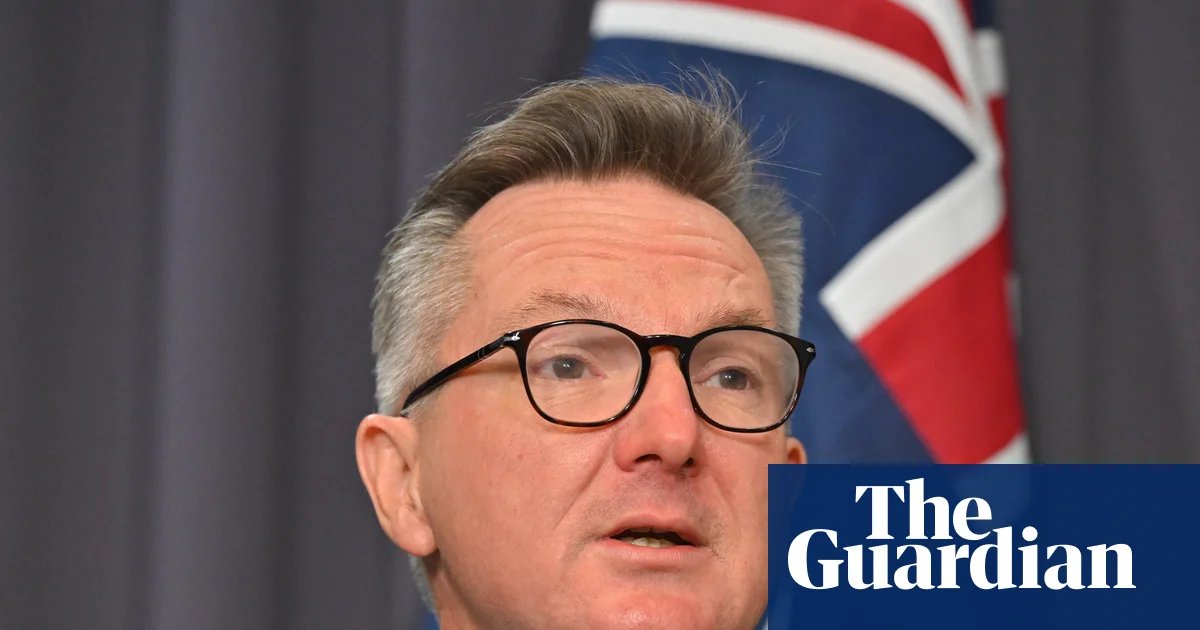
Amidst international tensions, the Australian government is facing criticism for its fuel tax credit scheme, which subsidizes diesel and petrol for industries, including mining. This policy is being labeled as the most costly anti-climate initiative in the federal budget, diverting funds away from efforts to reduce greenhouse gas emissions. As the federal budget comes under pressure, advocates are calling for a reevaluation of this scheme to align with climate goals and reduce environmental impact.
Extreme Weather Events and Flood Warnings
In the Northern Territory, recent extreme weather has led to severe flooding in Katherine Gorge, prompting evacuation orders and flood warnings for several rivers. A tropical low has caused heavy rainfall across northern Australia, with local authorities advising residents to avoid floodwaters due to the presence of crocodiles. This weather event has highlighted the ongoing challenges posed by climate change and extreme weather patterns, further complicating Australia's environmental policy landscape.
Senate Censure and Political Discourse
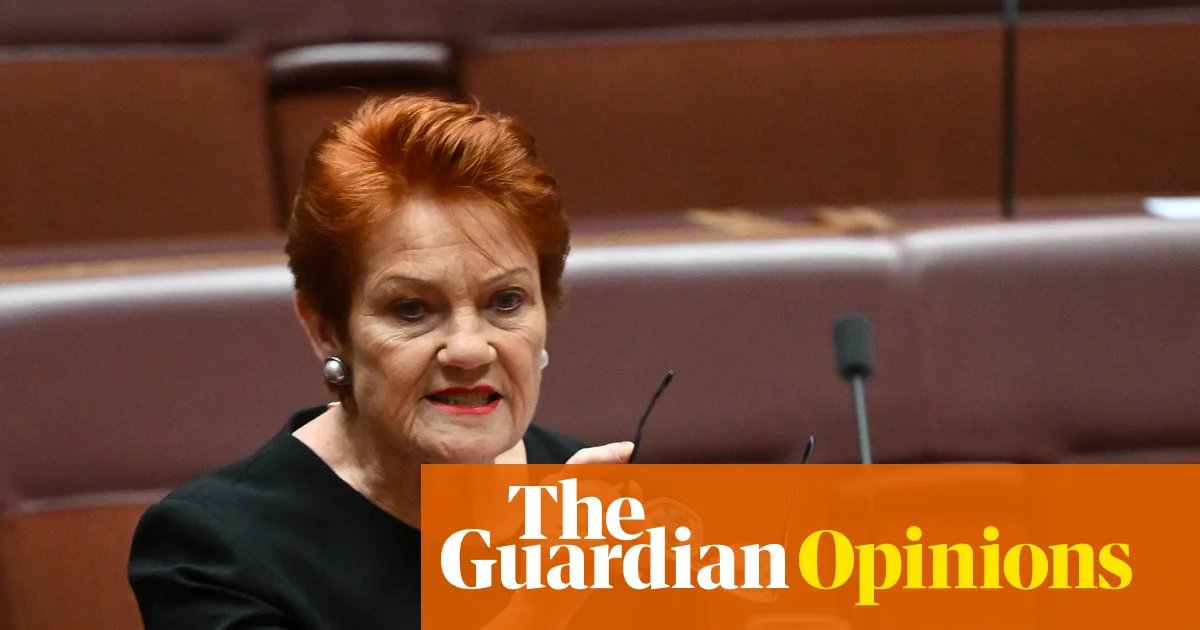
In a notable political development, Senator Pauline Hanson faced a censure motion in the Australian Senate for her controversial remarks regarding Muslims. The motion, which passed with a vote of 36 to 17, was supported by Senator Penny Wong, who delivered an emotional speech condemning Hanson's statements. Wong argued that such comments perpetuate harmful stereotypes and undermine the inclusivity of Australian society. This incident underscores the ongoing tensions within Australian politics regarding race, religion, and national identity.
Wrap-up
Australia is at a crossroads, facing significant challenges both domestically and internationally. The potential for military involvement in the Iran conflict raises questions about national sovereignty and the consequences of aligning too closely with U.S. policies. Concurrently, the government's environmental policies are under scrutiny as the nation grapples with the impacts of climate change and extreme weather. Political discourse is also becoming increasingly polarized, as evidenced by the censure of Senator Hanson, highlighting the need for constructive dialogue in addressing complex societal issues.
Sources
theguardian.com
@hoju-korean.com Editorial Team























댓글목록0